
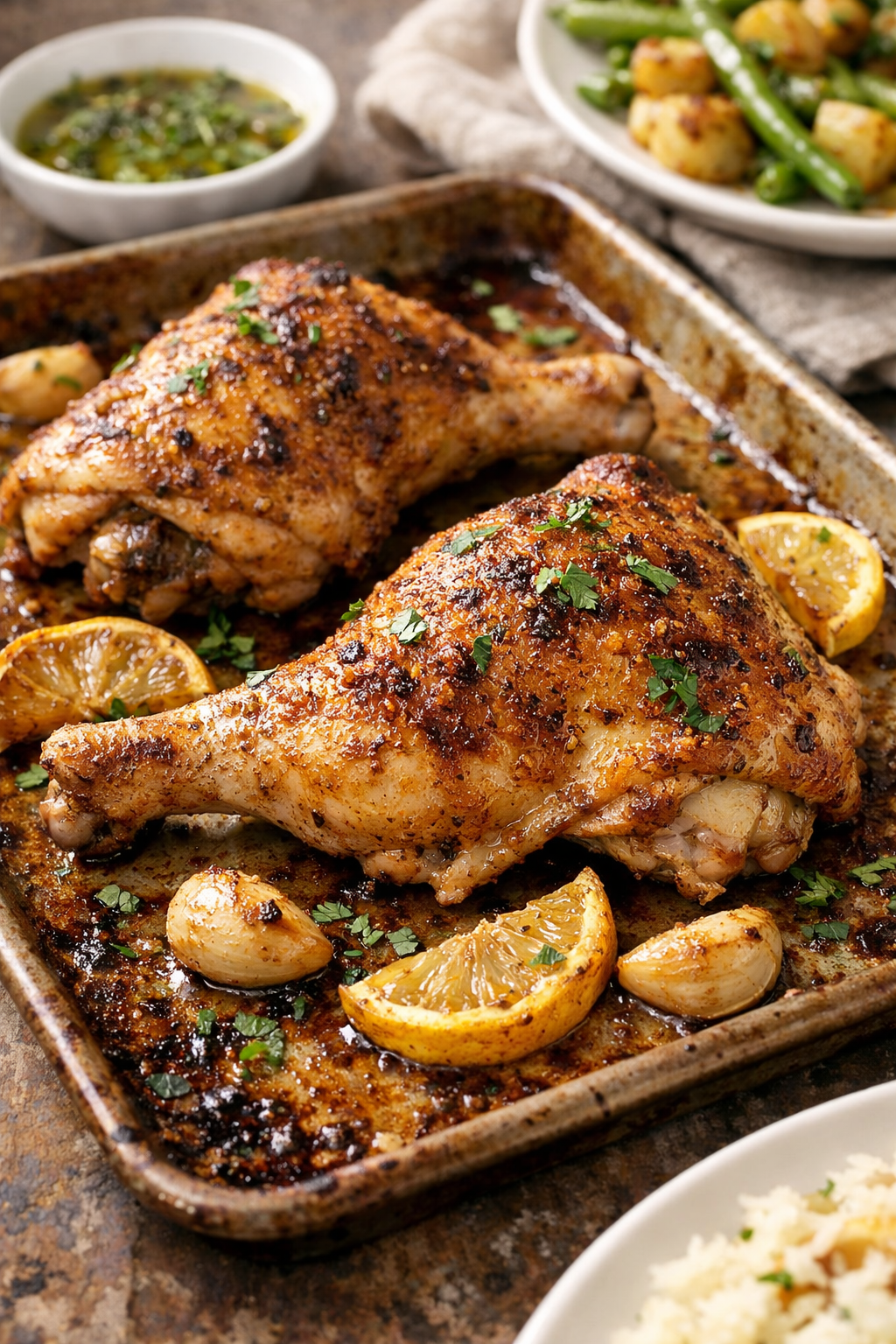
Chicken hindquarters represent one of the best-kept secrets in budget-friendly cooking. These flavorful cuts combine dark meat thighs with drumsticks, creating a substantial portion that satisfies hearty appetites without straining your wallet. When baked properly, chicken hindquarters develop crispy, golden skin while remaining incredibly juicy and tender inside.
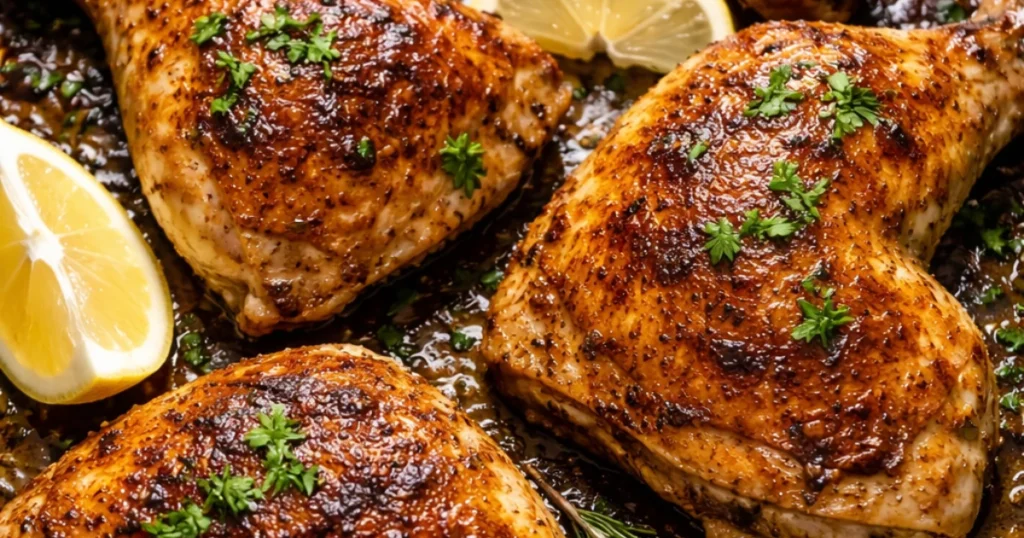
This comprehensive guide reveals ten exceptional recipes that transform humble chicken hindquarters into restaurant-quality meals. You’ll discover foolproof techniques for achieving perfect results every time, learn essential preparation methods, and explore flavor combinations ranging from classic comfort food to exotic international cuisine.
What Are Baked Chicken Hindquarters Recipes and Why Choose Them?
Before diving into recipes, let’s understand what makes chicken hindquarters such an excellent choice for home cooks.
Understanding the Cut
Chicken hindquarters consist of the entire back leg portion of the chicken, including the thigh, drumstick, and a small portion of the back. This cut contains the hip joint that connects the leg to the body, along with some backbone pieces. While the bone-in structure might seem cumbersome, it actually contributes significant flavor and helps the meat stay moist during cooking.
Hindquarters typically weigh ten to twelve ounces each, making them substantial single-serving portions. One hindquarter provides more meat than a standard chicken breast while costing significantly less per pound.
The combination of thigh and drumstick in one piece means you get variety in texture and flavor within the same cut. The thigh offers rich, tender meat with slightly more fat, while the drumstick provides firmer texture with meat that pulls easily from the bone.
The Budget Advantage
Chicken hindquarters consistently rank among the most economical poultry options available. They typically cost fifty to seventy-five percent less than boneless, skinless chicken breasts, making them ideal for families, meal preppers, and budget-conscious cooks.
Despite the lower price point, hindquarters contain no less quality than expensive cuts. The meat comes from the same chickens; you’re simply choosing a different part of the bird. The presence of bones and skin—which some cooks view as inconvenient—actually enhances flavor and moisture retention during cooking.
By choosing hindquarters, you can serve high-quality protein to your family without sacrificing other aspects of your grocery budget. The savings allow you to invest in fresh vegetables, quality grains, and other nutritious ingredients that round out balanced meals.
Flavor and Texture Benefits
Dark meat possesses inherently more flavor than white meat due to higher fat content and the presence of myoglobin, which gives it the darker color. This richness means chicken hindquarters taste delicious with minimal seasoning, though they also accept bold flavors beautifully.
The skin-on presentation allows for one of cooking’s greatest pleasures: crispy, seasoned chicken skin. When properly baked, this skin becomes golden and crackling while protecting the meat underneath from drying out. The rendered fat bastes the meat throughout cooking, ensuring juicy results.
Bones contribute flavor during cooking and help meat retain moisture. The collagen surrounding bones breaks down during baking, creating natural gelatin that enhances the eating experience. This built-in moisture protection makes hindquarters nearly impossible to overcook compared to lean chicken breasts.
Nutritional Profile
While dark meat contains slightly more fat and calories than white meat, it also provides more iron, zinc, and B vitamins. The moderate fat content helps your body absorb fat-soluble vitamins from vegetables served alongside the chicken.
A typical chicken hindquarter provides approximately thirty-five to forty grams of protein along with essential minerals and vitamins. When you remove the skin before eating, the nutritional profile becomes even leaner while you still benefit from the moisture and flavor it provided during cooking.
The key to healthy eating lies in overall dietary balance rather than avoiding specific foods. Chicken hindquarters fit perfectly into nutritious meal plans when paired with vegetables, whole grains, and other wholesome ingredients.
Essential Preparation Techniques
Success with chicken hindquarters begins with proper preparation. These techniques apply to all the recipes that follow.
Selecting Quality Hindquarters
Choose hindquarters with smooth, unblemished skin and moist-looking meat without excessive liquid in the package. Fresh chicken should have minimal odor—just a slight meaty smell. Avoid packages with strong or off-putting odors.
Check the sell-by date and choose packages with the latest dates available. Fresh chicken provides the best flavor and texture, though properly frozen hindquarters work well if fresh isn’t available.
Look for hindquarters that appear similar in size within the same package. Uniform sizing ensures even cooking, preventing some pieces from overcooking while others finish.
Proper Thawing Methods
If working with frozen hindquarters, thaw them safely in the refrigerator for twenty-four hours. Place the package in a dish to catch any liquid that might leak during thawing.
For faster thawing, submerge the sealed package in cold water, changing the water every thirty minutes. This method thaws chicken in two to three hours depending on size.
Never thaw chicken at room temperature, as this allows the exterior to reach unsafe temperatures while the interior remains frozen. Proper thawing prevents bacterial growth and ensures food safety.
Trimming and Preparing
Remove chicken from the refrigerator thirty minutes before cooking to allow it to come to room temperature. This step promotes more even cooking throughout the meat.
Examine each hindquarter and trim away any excess fat deposits or loose skin flaps. While you want to keep most skin intact for moisture and flavor, removing excessive fat prevents greasiness and reduces smoking in the oven.
Pat the chicken completely dry with paper towels. Surface moisture prevents proper browning and crisping. Dry skin browns beautifully and becomes deliciously crispy, while wet skin steams and remains rubbery.
Seasoning Strategies
The simplest approach involves generously seasoning both sides of the chicken with salt and black pepper. This classic combination allows the chicken’s natural flavor to shine while the salt helps crisp the skin.
For more complex flavors, use dry rubs that combine herbs, spices, and aromatics. Apply rubs at least thirty minutes before cooking, or up to twenty-four hours for maximum flavor penetration. The salt in rubs draws moisture to the surface initially, then pulls it back into the meat along with the seasonings.
Marinades work beautifully with hindquarters, as the dark meat’s fat content prevents it from becoming waterlogged. Acidic marinades containing citrus juice, vinegar, or yogurt tenderize the meat slightly while infusing flavor. Marinate for at least two hours or up to overnight in the refrigerator.
For crispy skin, avoid oil-heavy marinades or pat the chicken very dry before baking. Excess oil prevents proper crisping.
Setting Up for Success
Always preheat your oven fully before baking chicken. A properly heated oven ensures immediate searing and even cooking throughout the process.
Use a rimmed baking sheet or roasting pan large enough to hold hindquarters without crowding. Crowded chicken steams rather than roasts, preventing proper browning and crisping.
Line pans with aluminum foil or parchment paper for easier cleanup. Place a wire rack in the pan if you want to elevate the chicken, allowing hot air to circulate completely around each piece. This produces the crispiest skin but isn’t strictly necessary for good results.
Position the oven rack in the center position for most even heat distribution. Avoid placing it too close to the top heating element, which can burn the skin before the meat cooks through.
Recipe 1: Classic Herb-Roasted Chicken Hindquarters
This timeless preparation showcases chicken’s natural flavor enhanced by aromatic herbs and garlic. Simple yet sophisticated, it works equally well for weeknight dinners and entertaining guests.
Ingredients
- 4 chicken hindquarters (about 3 pounds total)
- 3 tablespoons olive oil
- 4 cloves garlic, minced
- 2 tablespoons fresh rosemary, chopped (or 2 teaspoons dried)
- 2 tablespoons fresh thyme leaves (or 2 teaspoons dried)
- 1 tablespoon chopped fresh sage (or 1 teaspoon dried sage)
- Zest of 1 lemon
- 2 teaspoons salt
- 1 teaspoon black pepper
- Half teaspoon paprika
Instructions
Preheat your oven to 425°F. In a small bowl, combine olive oil, minced garlic, rosemary, thyme, sage, lemon zest, salt, pepper, and paprika. Mix into a paste.
Use paper towels to thoroughly dry the chicken hindquarters. Place them on your prepared baking sheet. Rub the herb mixture all over each hindquarter, making sure to coat both the skin side and the underside. Work some of the mixture under the skin by gently separating it from the meat with your fingers.
Arrange the hindquarters skin-side up with space between each piece. Bake for forty-five to fifty-five minutes, until the skin is deeply golden and crispy and the internal temperature reaches 175°F to 180°F in the thickest part of the thigh.
Allow the chicken to rest for five minutes before serving. The juices will redistribute, and the meat will remain incredibly moist. Serve with roasted vegetables, mashed potatoes, or a fresh green salad.
The combination of herbs creates an aromatic, classic flavor profile that appeals to nearly everyone. The high roasting temperature ensures crispy skin while keeping the interior juicy.
Recipe 2: Sweet and Spicy Asian-Glazed Hindquarters
This recipe balances sweet honey with spicy sriracha and savory soy sauce, creating a sticky, caramelized coating that’s absolutely addictive.
Ingredients
- 4 chicken hindquarters
- Quarter cup soy sauce
- Quarter cup honey
- 3 tablespoons rice vinegar
- 2 tablespoons sriracha sauce (adjust to taste)
- 2 tablespoons sesame oil
- 4 cloves garlic, minced
- 2 tablespoons fresh ginger, grated
- 1 tablespoon cornstarch mixed with 2 tablespoons water
- 2 tablespoons sesame seeds
- 3 green onions, sliced
- Salt and pepper to taste
Instructions
In a small saucepan, combine soy sauce, honey, rice vinegar, sriracha, sesame oil, garlic, and ginger. Bring to a simmer over medium heat. Add the cornstarch slurry and cook for two to three minutes until the glaze thickens slightly. Remove from heat and let cool.
Pat chicken hindquarters dry and season lightly with salt and pepper. Place them in a large zip-top bag or shallow dish and pour half the glaze over them, reserving the other half. Marinate in the refrigerator for at least two hours or up to overnight, turning occasionally.
Preheat oven to 400°F. Remove chicken from marinade (discard the used marinade) and arrange on a lined baking sheet skin-side up. Bake for twenty-five minutes.
Remove from oven and brush with the reserved glaze. Put it back in the oven and bake for an additional 20 to 25 minutes, brushing with extra glaze every 10 minutes, brushing with more glaze every ten minutes. The chicken should be deeply caramelized and register 175°F to 180°F internally.
Sprinkle with sesame seeds and sliced green onions before serving. This dish pairs beautifully with steamed rice and stir-fried vegetables. The sweet-spicy glaze creates a restaurant-quality finish that looks as impressive as it tastes.
Recipe 3: Mediterranean Lemon-Oregano Chicken
Bright citrus and aromatic oregano transport your taste buds to the Greek islands with this simple yet flavorful preparation.
Ingredients
- 4 chicken hindquarters
- Juice of 2 lemons
- Zest of 1 lemon
- Quarter cup olive oil
- 6 cloves garlic, minced
- 3 tablespoons fresh oregano (or 1 tablespoon dried)
- 2 teaspoons salt
- 1 teaspoon black pepper
- 1 teaspoon red pepper flakes (optional)
- 2 bay leaves
- 1 cup cherry tomatoes, halved
- Half cup pitted Kalamata olives
- Fresh parsley for garnish
Instructions
Whisk together lemon juice, lemon zest, olive oil, garlic, oregano, salt, pepper, and red pepper flakes if using. Place chicken hindquarters in a large dish or zip-top bag. Pour marinade over chicken, add bay leaves, and turn to coat. Marinate in the refrigerator for at least four hours or overnight.
Preheat oven to 400°F. Remove chicken from marinade (reserve the marinade) and arrange in a roasting pan or baking dish. Pour the reserved marinade over the chicken. Distribute the cherry tomatoes and olives evenly around the chicken. Bake for fifty to sixty minutes, basting with the pan juices every twenty minutes. The chicken is done when deeply golden and the internal temperature reaches 175°F to 180°F.
Remove bay leaves before serving. Spoon the pan juices, tomatoes, and olives on top of the chicken. Garnish with fresh parsley. This dish is exceptional with Greek-style lemon potatoes, rice pilaf, or warm pita bread to soak up the flavorful juices.
The acidity of lemon brightens the rich dark meat while oregano provides earthy, aromatic notes characteristic of Mediterranean cuisine.
Recipe 4: BBQ-Rubbed Hindquarters with Smoky Glaze
This recipe brings backyard barbecue flavor to your oven, creating tender chicken with a sticky, sweet-smoky coating.
Ingredients
For the Dry Rub:
- 2 tablespoons brown sugar
- 1 tablespoon smoked paprika
- 1 tablespoon chili powder
- 2 teaspoons garlic powder
- 2 teaspoons onion powder
- 1 teaspoon cumin
- 1 teaspoon salt
- 1 teaspoon black pepper
- Half teaspoon cayenne pepper
For the Chicken:
- 4 chicken hindquarters
For the BBQ Glaze:
- 1 cup barbecue sauce (your favorite brand)
- 2 tablespoons apple cider vinegar
- 1 tablespoon Worcestershire sauce
- 1 tablespoon honey
Instructions
Combine all dry rub ingredients in a small bowl. Pat chicken hindquarters dry and coat them generously with the spice rub, pressing it into the skin and underside. Let the rubbed chicken sit at room temperature for thirty minutes or refrigerate for up to twenty-four hours.
Preheat oven to 375°F. Arrange chicken skin-side up on a lined baking sheet. Bake for thirty-five minutes.
While chicken bakes, combine barbecue sauce, apple cider vinegar, Worcestershire sauce, and honey in a small bowl to make the glaze.
After thirty-five minutes, brush chicken liberally with the BBQ glaze. Return to oven and bake for another fifteen to twenty minutes, brushing with more glaze every seven minutes. The chicken should be sticky and caramelized with an internal temperature of 175°F to 180°F.
Let rest five minutes before serving. This version tastes fantastic with cornbread, coleslaw, and baked beans for a complete BBQ feast. The dry rub creates a flavorful crust while the glaze adds sticky sweetness that caramelizes beautifully.
Recipe 5: Indian-Spiced Tandoori-Style Hindquarters
Fragrant spices and tangy yogurt create chicken that’s unbelievably tender with complex, warming flavors reminiscent of traditional tandoori cooking.
Ingredients
For the Marinade:
- 1 cup plain Greek yogurt
- 3 tablespoons lemon juice
- 3 tablespoons vegetable oil
- 4 cloves garlic, minced
- 2 tablespoons fresh ginger, grated
- 2 tablespoons garam masala
- 1 tablespoon paprika
- 1 tablespoon ground cumin
- 1 tablespoon ground coriander
- 1 teaspoon turmeric
- 1 teaspoon cayenne pepper (adjust to taste)
- 2 teaspoons salt
For the Chicken:
- 4 chicken hindquarters
- Fresh cilantro and lemon wedges for serving
Instructions
In a large bowl, combine all marinade ingredients and whisk until smooth. Pat chicken hindquarters dry. Using a sharp knife, make three or four deep slashes in the thickest parts of each hindquarter, cutting through the skin and about halfway into the meat. This allows marinade to penetrate deeply.
Place chicken in the marinade and turn to coat thoroughly, working marinade into the slashes. Cover and place in the refrigerator for at least four hours, ideally overnight.
Preheat oven to 425°F. Line a baking sheet with foil and place a wire rack on top. Remove chicken from marinade, allowing excess to drip off, and arrange on the rack. The rack elevation allows hot air circulation for more even cooking.
Bake for forty-five to fifty-five minutes, until the chicken is deeply charred in spots and the internal temperature reaches 175°F to 180°F. The yogurt marinade creates a slightly charred exterior that’s characteristic of tandoori cooking.
Garnish with fresh cilantro and serve with lemon wedges. This pairs beautifully with basmati rice, naan bread, and cooling cucumber raita. The complex spices create authentic Indian flavors that taste like they came from a restaurant.
Recipe 6: Garlic-Parmesan Crusted Hindquarters
Rich garlic and nutty Parmesan cheese combine to create an irresistible crust that adds sophistication to simple baked chicken.
Ingredients
- 4 chicken hindquarters
- Half cup grated Parmesan cheese
- Quarter cup panko breadcrumbs
- 4 tablespoons butter, melted
- 6 cloves garlic, minced
- 2 tablespoons fresh parsley, chopped
- 1 teaspoon Italian seasoning
- 1 teaspoon salt
- Half teaspoon black pepper
- Quarter teaspoon red pepper flakes (optional)
Instructions
Preheat oven to 400°F. Pat chicken hindquarters dry and season with salt and pepper. Arrange them skin-side up on a lined baking sheet.
In a bowl, combine Parmesan cheese, panko breadcrumbs, melted butter, minced garlic, parsley, Italian seasoning, and red pepper flakes if using. Mix until the mixture resembles wet sand.
Press the Parmesan mixture onto the skin side of each hindquarter, creating an even coating. The mixture should stick to the skin and form a substantial crust.
Bake for fifty to sixty minutes, until the crust is golden brown and crispy and the internal temperature reaches 175°F to 180°F. The Parmesan creates a flavorful, crunchy topping that contrasts beautifully with the tender meat.
Let rest five minutes before serving. This elegant preparation works wonderfully for dinner parties yet remains simple enough for weeknight meals. Serve with roasted asparagus, Caesar salad, or creamy polenta.
Recipe 7: Cajun-Spiced Hindquarters with Dirty Rice
Bold Cajun spices deliver heat and complexity in this Louisiana-inspired preparation that’s full of personality.
Ingredients
For the Cajun Spice Mix:
- 1 tablespoon paprika
- 1 tablespoon garlic powder
- 1 tablespoon onion powder
- 2 teaspoons dried oregano
- 2 teaspoons dried thyme
- 1 teaspoon cayenne pepper
- 1 teaspoon black pepper
- 1 teaspoon white pepper
- 2 teaspoons salt
For the Chicken:
- 4 chicken hindquarters
- 2 tablespoons vegetable oil
- 1 large onion, diced
- 1 bell pepper, diced
- 2 celery stalks, diced
- 3 cloves garlic, minced
Instructions
Mix all the Cajun spice blend ingredients together in a small bowl. Pat chicken hindquarters dry and coat them generously with the spice mixture, using about two-thirds of the mix and saving the rest for the rice.
Let the seasoned chicken sit at room temperature for twenty minutes. Meanwhile, preheat oven to 400°F.
Arrange chicken skin-side up on a lined baking sheet. Bake for fifty to fifty-five minutes until deeply golden and crispy with an internal temperature of 175°F to 180°F.
While chicken bakes, prepare dirty rice by sautéing onion, bell pepper, and celery in a large skillet with a bit of oil. Add garlic and remaining Cajun spice mix. Add cooked rice and chicken stock, stirring until combined and heated through.
Serve the spiced hindquarters over dirty rice with hot sauce on the side. The bold, spicy coating creates authentic Louisiana flavor that transports you to New Orleans. Add coleslaw and cornbread for a complete Cajun feast.
Recipe 8: Honey-Mustard Glazed Hindquarters
Sweet honey and tangy mustard create a classic combination that appeals to all ages while requiring minimal ingredients.
Ingredients
- 4 chicken hindquarters
- Half cup Dijon mustard
- Half cup honey
- Quarter cup whole grain mustard
- 2 tablespoons apple cider vinegar
- 2 tablespoons olive oil
- 3 cloves garlic, minced
- 1 teaspoon dried thyme
- Salt and pepper to taste
Instructions
In a bowl, whisk together Dijon mustard, honey, whole grain mustard, apple cider vinegar, olive oil, garlic, and thyme. Reserve half of this mixture for basting during cooking.
Dry the chicken hindquarters with a paper towel and season them with salt and pepper. Place them in a large zip-top bag or dish and pour the remaining honey-mustard mixture over them. Let the chicken marinate in the refrigerator for a minimum of two hours, or up to eight hours for maximum flavor.Preheat oven to 375°F. Remove chicken from marinade and arrange skin-side up on a lined baking sheet. Bake for twenty-five minutes.
Brush chicken with the reserved honey-mustard mixture. Return to oven and bake for another twenty-five to thirty minutes, brushing with more glaze every ten minutes. The chicken should be golden and sticky with an internal temperature of 175°F to 180°F.
The honey caramelizes during baking, creating a glossy, flavorful coating. This crowd-pleasing recipe works beautifully for family dinners or potlucks. Serve with roasted Brussels sprouts, green beans, or a simple salad.
Recipe 9: Italian Herb and Tomato-Braised Hindquarters
This rustic preparation braises chicken in tomatoes and herbs, creating fall-off-the-bone tenderness with rich, savory sauce.
Ingredients
- 4 chicken hindquarters
- 2 tablespoons olive oil
- 1 large onion, sliced
- 4 cloves garlic, minced
- 1 can (28 ounces) crushed tomatoes
- 1 cup chicken stock
- 2 tablespoons tomato paste
- 2 tablespoons of freshly chopped basil (or 2 teaspoons if using dried basil)
- 1 tablespoon fresh oregano (or 1 teaspoon dried)
- 1 teaspoon red pepper flakes
- 2 teaspoons salt
- 1 teaspoon black pepper
- Half cup pitted olives (optional)
- Fresh basil for garnish
Instructions
Preheat oven to 350°F. Pat chicken hindquarters dry and season generously with salt and pepper.
Warm the olive oil in a large, oven-safe skillet or Dutch oven over medium-high heat. Brown the chicken hindquarters on both sides, about four minutes per side. Remove chicken and set aside.
In the same pan, add sliced onion and cook until softened, about five minutes. Add garlic and cook one more minute. Stir in crushed tomatoes, chicken stock, tomato paste, basil, oregano, red pepper flakes, salt, and pepper. Bring to a simmer.
Return chicken to the pan, nestling it into the tomato sauce. Add olives if using. Cover the pan with a lid or aluminum foil.
Transfer to the preheated oven and bake for one hour to one hour and fifteen minutes. The chicken should be incredibly tender and the sauce thickened and flavorful.
Remove from oven and let rest for ten minutes. Garnish with fresh basil. Serve over pasta, polenta, or with crusty bread to soak up the delicious sauce. This Italian-inspired dish improves if made a day ahead, allowing flavors to meld even more.
Recipe 10: Maple-Dijon Glazed Hindquarters with Root Vegetables
Sweet maple syrup and sharp Dijon mustard create a sophisticated glaze while root vegetables roast alongside for a complete one-pan meal.
Ingredients
For the Chicken:
- 4 chicken hindquarters
- Quarter cup pure maple syrup
- Quarter cup Dijon mustard
- 2 tablespoons apple cider vinegar
- 2 tablespoons olive oil
- 3 cloves garlic, minced
- 1 tablespoon fresh thyme leaves
- Salt and pepper to taste
For the Vegetables:
- 3 large carrots, cut into 2-inch pieces
- 2 parsnips, cut into 2-inch pieces
- 1 large sweet potato, cubed
- 1 red onion, cut into wedges
- 2 tablespoons olive oil
- Salt and pepper to taste
Instructions
In a bowl, whisk together maple syrup, Dijon mustard, apple cider vinegar, olive oil, garlic, and thyme. Season with salt and pepper. Reserve half for basting.
Pat chicken hindquarters dry and place in a large zip-top bag with the remaining maple-Dijon mixture. Marinate for at least two hours or up to overnight.
Preheat oven to 400°F. In a large roasting pan, toss carrots, parsnips, sweet potato, and red onion with olive oil, salt, and pepper. Spread vegetables in a single layer.
Remove chicken from marinade and nestle it among the vegetables, skin-side up. Roast for thirty minutes.
Remove from oven and brush chicken with the reserved glaze. Stir the vegetables to promote even cooking. Return to oven and roast for another twenty-five to thirty minutes, brushing chicken with more glaze halfway through The chicken is ready when its internal temperature hits 175°F–180°F, and the vegetables are soft and caramelized..
his one-pan dish offers full nutrition with easy cleanup. The maple-Dijon glaze brings a gourmet touch, while the root vegetables absorb the flavorful pan juices.
Preheat oven to 375°F. Take the chicken out of the marinade and place it skin-side up on a lined baking sheet.
. Bake for twenty-five minutes.
Brush chicken with the reserved honey-mustard mixture. Return to oven and bake for another twenty-five to thirty minutes, brushing with more glaze every ten minutes. The chicken should be golden and sticky with an internal temperature of 175°F to 180°F.
The honey caramelizes during baking, creating a glossy, flavorful coating. This crowd-pleasing recipe works beautifully for family dinners or potlucks. Serve with roasted Brussels sprouts, green beans, or a simple salad.
Recipe 9: Italian Herb and Tomato-Braised Hindquarters
This rustic preparation braises chicken in tomatoes and herbs, creating fall-off-the-bone tenderness with rich, savory sauce.
Ingredients
- 4 chicken hindquarters
- 2 tablespoons olive oil
- 1 large onion, sliced
- 4 cloves garlic, minced
- 1 can (28 ounces) crushed tomatoes
- 1 cup chicken stock
- 2 tablespoons tomato paste
- 2 tablespoons of freshly chopped basil (or 2 teaspoons if using dried basil)
- 1 tablespoon fresh oregano (or 1 teaspoon dried)
- 1 teaspoon red pepper flakes
- 2 teaspoons salt
- 1 teaspoon black pepper
- Half cup pitted olives (optional)
- Fresh basil for garnish
Instructions
Preheat oven to 350°F. Pat chicken hindquarters dry and season generously with salt and pepper.
Warm the olive oil in a large, oven-safe skillet or Dutch oven over medium-high heat. Brown the chicken hindquarters on both sides, about four minutes per side. Remove chicken and set aside.
In the same pan, add sliced onion and cook until softened, about five minutes. Add garlic and cook one more minute. Stir in crushed tomatoes, chicken stock, tomato paste, basil, oregano, red pepper flakes, salt, and pepper. Bring to a simmer.
3.Return chicken to the pan, nestling it into the tomato sauce. Add olives if using. Place a lid or Seal the pan with a lid or cover it with aluminum foil.
Transfer to the preheated oven and bake for one hour to one hour and fifteen minutes. The chicken should be incredibly tender and the sauce thickened and flavorful.
Remove from oven and let rest for ten minutes. Garnish with fresh basil. Serve over pasta, polenta, or with crusty bread to soak up the delicious sauce. This Italian-inspired dish improves if made a day ahead, allowing flavors to meld even more.
Recipe 10: Maple-Dijon Glazed Hindquarters with Root Vegetables
Sweet maple syrup and sharp Dijon mustard create a sophisticated glaze while root vegetables roast alongside for a complete one-pan meal.
Ingredients
For the Chicken:
- 4 chicken hindquarters
- Quarter cup pure maple syrup
- Quarter cup Dijon mustard
- 2 tablespoons apple cider vinegar
- 2 tablespoons olive oil
- 3 cloves garlic, minced
- 1 tablespoon fresh thyme leaves
- Salt and pepper to taste
For the Vegetables:
- 3 large carrots, cut into 2-inch pieces
- 2 parsnips, cut into 2-inch pieces
- 1 large sweet potato, cubed
- 1 red onion, cut into wedges
- 2 tablespoons olive oil
- Salt and pepper to taste
Instructions
In a bowl, whisk together maple syrup, Dijon mustard, apple cider vinegar, olive oil, garlic, and thyme. Season with salt and pepper. Reserve half for basting.
Pat chicken hindquarters dry and place in a large zip-top bag with the remaining maple-Dijon mixture. Marinate for at least two hours or up to overnight.
Preheat oven to 400°F. In a large roasting pan, toss carrots, parsnips, sweet potato, and red onion with olive oil, salt, and pepper. Spread vegetables in a single layer.
Remove chicken from marinade and nestle it among the vegetables, skin-side up. Roast for thirty minutes.
Remove from oven and brush chicken with the reserved glaze. Stir the vegetables to promote even cooking. Return to oven and roast for another twenty-five to thirty minutes, brushing chicken with more glaze halfway through. The chicken is done when its internal temperature reaches 175°F–180°F, and the vegetables are tender and caramelized
This one-pan meal provides complete nutrition with minimal cleanup. The maple-Dijon glaze adds restaurant-quality sophistication while root vegetables soak up the delicious pan juices.
Essential Tips for Perfect Results
These professional techniques ensure success regardless of which recipe you choose.
Temperature Matters
Always use a meat thermometer to check doneness. Dark meat is most flavorful when cooked to 175°F–180°F, slightly above the 165°F minimum safetemperature.This extra heat renders more fat and breaks down collagen, creating more tender, flavorful meat.
Insert the thermometer into the thickest part of the thigh, avoiding contact with the bone. Bone conducts heat and gives false high readings that suggest doneness before the meat actually finishes cooking.
Basting Creates Flavor Layers
When recipes call for glazing or basting, don’t skip these steps. Each application builds flavor layers while creating that glossy, caramelized exterior that makes baked chicken irresistible.
Open the oven quickly, work efficiently, and close the door promptly to maintain temperature. Multiple brief door openings have minimal impact on cooking time while significantly improving the final product.
Resting Is Non-Negotiable
Always let chicken rest for five to ten minutes after removing it from the oven. This lets the juices redistribute throughout the meat rather than spilling out when sliced. The result is moister, more flavorful chicken.
Tent the chicken loosely with foil during resting if you’re concerned about it cooling too much. The carryover cooking that occurs during resting also brings the internal temperature up a few more degrees.
Crispier Skin Techniques
For the crispiest skin, make sure the chicken is completely dry before seasoning. Any surface moisture creates steam during baking, preventing proper crisping.
Starting at a higher temperature (425°F to 450°F) for the first fifteen to twenty minutes helps render fat quickly and crisp the skin. You can then reduce temperature to finish cooking if your recipe calls for it.
Avoid covering chicken with foil during cooking unless specifically directed. The trapped steam softens skin rather than crisping it.
One-Pan Meal Success
When roasting vegetables alongside chicken, cut them into similar-sized pieces for even cooking. Root vegetables need smaller pieces than you might think since they take time to soften.
Toss vegetables in oil and season them well. They’ll absorb chicken drippings during cooking but need their own seasoning for best flavor.
Position chicken pieces strategically so juices drip onto vegetables, not just the pan. This adds tremendous flavor to your sides.
Storage and Reheating
Proper storage extends the life of your baked chicken while maintaining quality.
Refrigeration Guidelines
Allow chicken to cool to room temperature before storing, but don’t leave it out longer than two hours. Store in airtight containers in the refrigerator for three to four days.
Store any pan sauces or glazes separately from the chicken when possible. This prevents the skin from becoming soggy during storage.
Reheating Methods
The oven provides the best reheating results. Place chicken on a baking sheet and warm in a 350°F oven for fifteen to twenty minutes until heated through. Cover loosely with foil to prevent drying.
For crispier reheated skin, finish under the broiler for one to two minutes, watching carefully to prevent burning.
The microwave works in a pinch but produces softer skin. Use fifty percent power and heat in short intervals, checking frequently.
Freezing for Later
Baked chicken hindquarters freeze well for up to three months. Cool completely, wrap individual pieces tightly in plastic wrap, then place in freezer bags with air removed.
Thaw frozen chicken overnight in the refrigerator before reheating. This ensures food safety and more even reheating.
Frequently Asked Questions
What temperature should I bake chicken hindquarters?
Most recipes call for 375°F to 425°F. Higher temperatures (400°F to 425°F) create crispier skin and cook faster, while lower temperatures (375°F) provide gentler cooking that’s more forgiving. All temperatures work well; choose based on your recipe and timing needs.
What is the baking time required for chicken hindquarters?
Baking time ranges from forty-five minutes to one hour at 400°F to 425°F, depending on size. Always verify doneness with a meat thermometer rather than relying solely on timing. The thickest part of the thigh should reach 175°F to 180°F.
Should I remove the skin before baking?
Keep the skin on during baking even if you plan to remove it before eating. The skin protects meat from drying out and adds flavor during cooking. You can remove it after baking if you prefer to reduce fat and calories.
Can I use boneless chicken thighs instead?
Yes, though cooking time will be shorter. Boneless thighs typically bake in twenty-five to thirty-five minutes at 400°F. The bone-in structure of hindquarters contributes more flavor, but boneless thighs work in most recipes with timing adjustments.
Why is my chicken skin rubbery instead of crispy?
Rubbery skin results from surface moisture or too-low cooking temperature. Always pat chicken completely dry before baking and cook at 400°F or higher for crispy skin. Avoid covering chicken during cooking unless specifically instructed.
Can I prepare these recipes ahead of time?
Most marinades can be prepared and applied up to twenty-four hours before baking. Some recipes benefit from this extended marination. You can also bake chicken ahead and reheat it, though freshly baked provides the crispiest skin.
What’s the best way to tell when chicken is done without a thermometer?
Pierce the thickest part of the thigh with a knife. Juices should run clear without any pink tint. The meat should feel firm when pressed. However, a thermometer provides the most reliable doneness indication and costs very little.
How do I prevent chicken from drying out?
Don’t overcook it—stop at 175°F to 180°F internal temperature. Keep the skin on during baking for moisture protection. Avoid cooking temperatures above 450°F, which can dry the surface before the interior finishes. Let chicken rest before cutting.
Pairing Suggestions
Round out your chicken dinner with these complementary sides and beverages.
Side Dishes
Rice pilaf, roasted potatoes, or creamy mashed potatoes provide satisfying starch components that soak up flavorful pan juices. Roasted vegetables like Brussels sprouts, carrots, or green beans add nutrition and color.
Fresh salads with acidic dressings cut through the richness of dark meat chicken. Caesar salad, Greek salad, or simple mixed greens with vinaigrette all work beautifully.
For international-inspired recipes, match sides to the cuisine. Serve Asian-glazed chicken with fried rice and stir-fried vegetables. Pair Mediterranean preparations with Greek potatoes and tzatziki. Serve Cajun-seasoned chicken alongside dirty rice and collard greens.
Beverage Pairings
Light to medium-bodied red wines like Pinot Noir or Chianti complement chicken hindquarters nicely. Their fruit-forward character balances the richness without overwhelming the meat.
For white wine lovers, Chardonnay or Viognier offers enough body to stand up to dark meat. Their fuller structure works better than light, crisp whites that get lost against the chicken’s richness.
Beer pairs exceptionally well, particularly amber ales, brown ales, or wheat beers. These styles provide enough character to complement seasoned chicken without clashing with spice blends.
Conclusion
Chicken hindquarters deserve recognition as one of the most versatile, economical, and delicious cuts available to home cooks. These ten recipes demonstrate the remarkable range of flavors and cuisines you can explore with this single cut. From simple herb-roasted preparations to complex international flavor profiles, hindquarters handle it all beautifully.
The techniques shared throughout this guide—proper preparation, strategic seasoning, appropriate temperatures, and adequate resting—apply across all the recipes and will serve you well in countless cooking situations. Mastering these fundamentals ensures consistently excellent results regardless of which flavor direction you choose.
The budget-friendly nature of chicken hindquarters makes them ideal for regular meal rotation. You can serve high-quality protein to your family without straining your grocery