
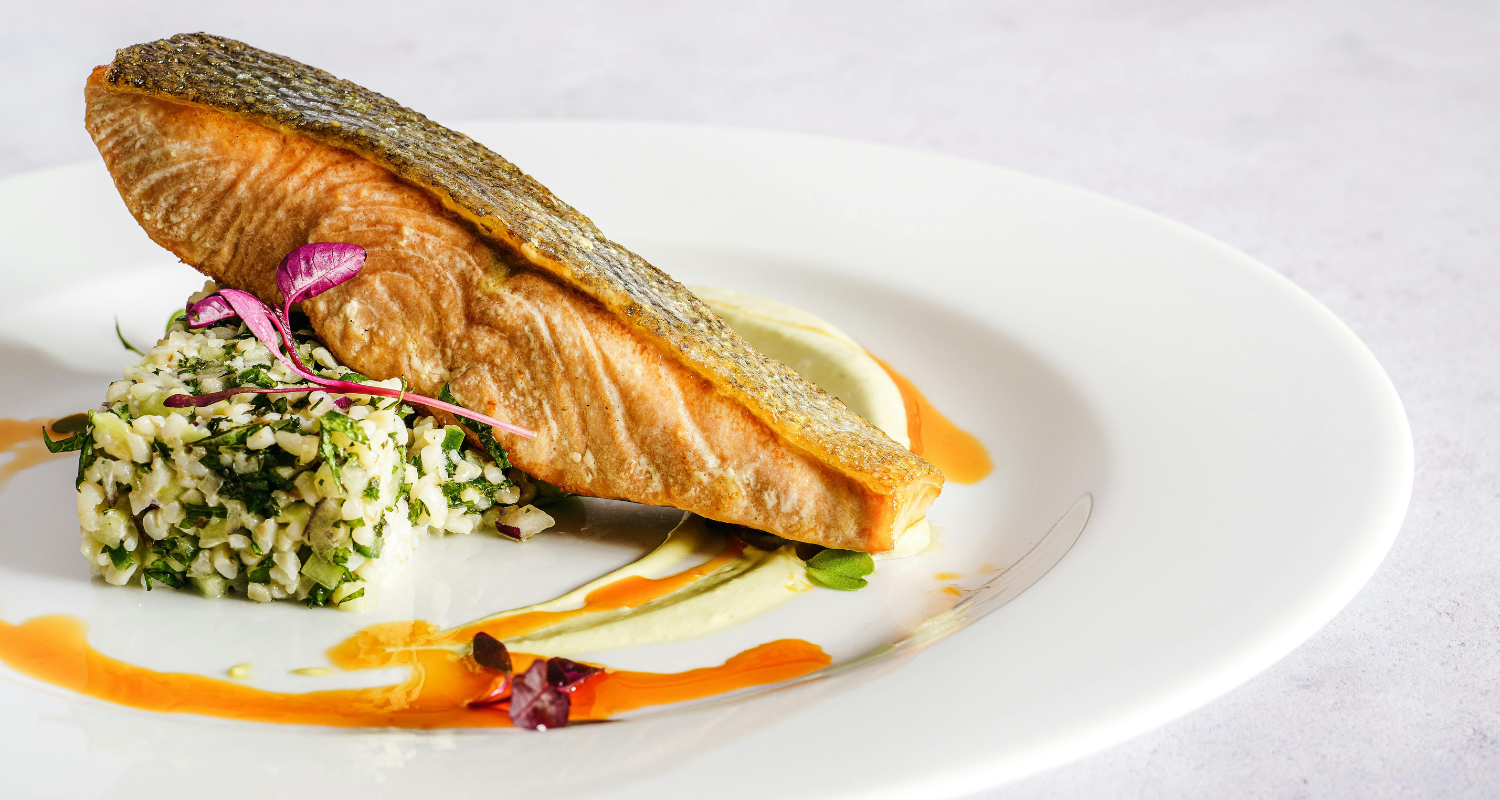

Learn how to cook salmon without drying it in the oven with our foolproof tips, best temperature guide, and juicy baked salmon recipe perfect for beginners
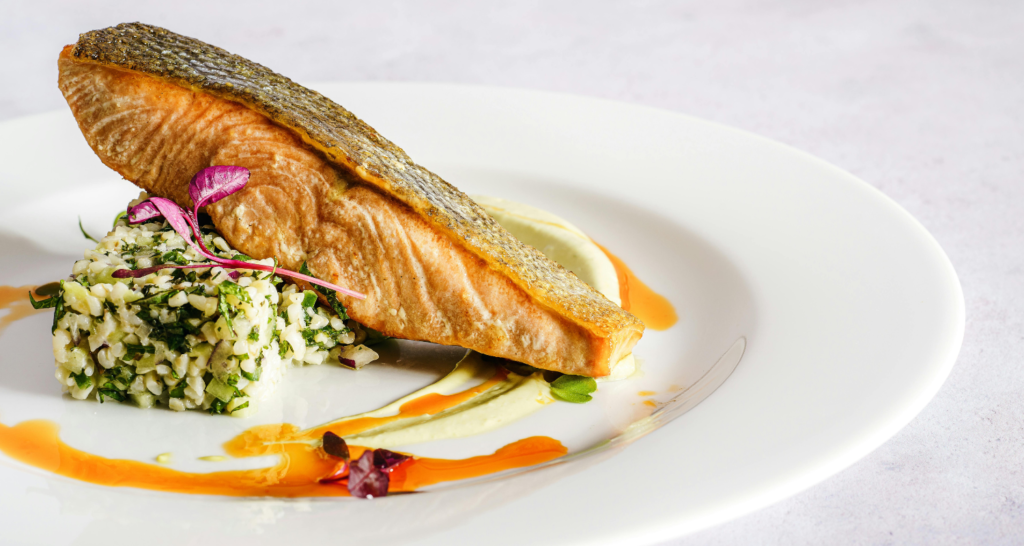
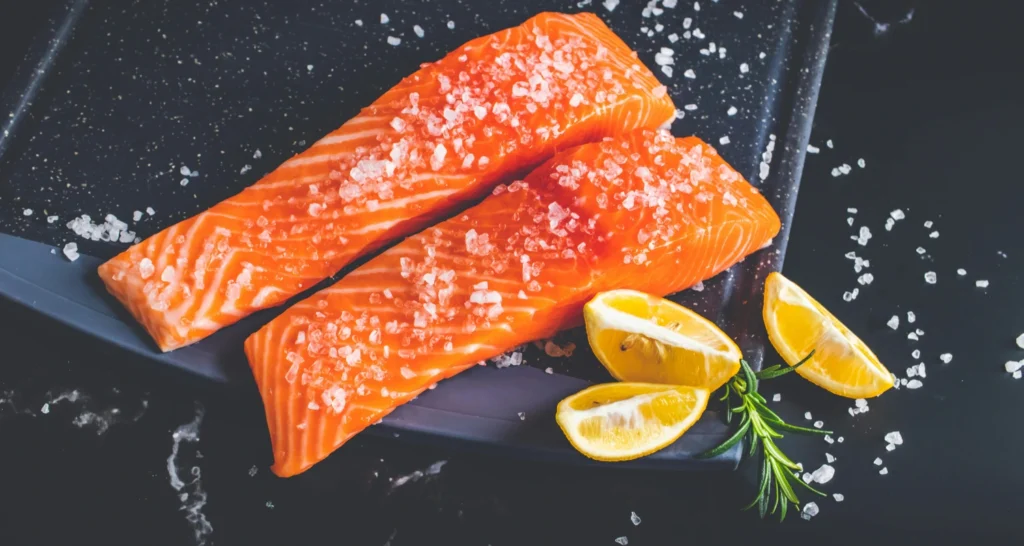
Hero image: A gorgeous, glistening piece of juicy baked salmon fillet on a baking tray with lemon slices and fresh herbs. Alt text: ‘how to cook salmon without drying it in oven’
If you’ve ever pulled salmon out of the oven only to find it dry, flaky in the wrong way, and honestly kind of sad — you’re not alone. It happens to the best of us. The good news? Knowing how to cook salmon without drying it in the oven is way simpler than you might think, and once you nail it, you’ll wonder how you ever made it any other way.
In this guide, we’re covering everything: why salmon dries out in the first place, the exact temperature and timing you need, a foolproof moist salmon recipe, and a handful of tips that make a huge difference. Whether you’re cooking for yourself on a Tuesday night or impressing guests at dinner, this is the only salmon guide you’ll ever need.
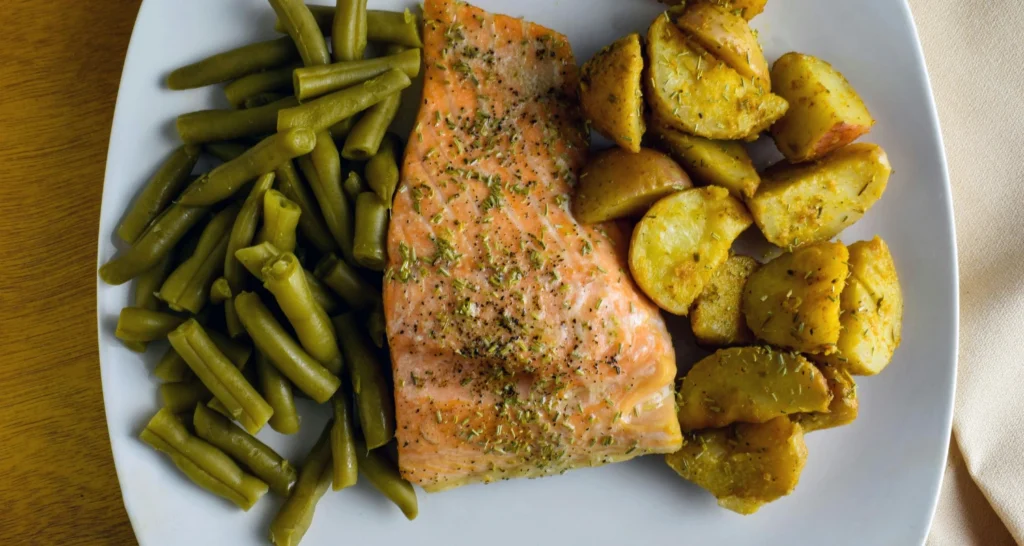
Why Salmon Dries Out in the Oven
“how to cook salmon without drying it in oven”
Before we fix the problem, it helps to understand what’s actually causing it. Salmon dries out in the oven for a few key reasons:
- Too high a temperature — blasting it with heat draws out the moisture fast
- Cooking it too long — salmon is a delicate fish that needs just the right amount of time
- Skipping a marinade or fat source — without oil or butter, there’s nothing to lock moisture in
- Not covering it while cooking — exposed salmon loses steam quickly
- Using thin, tail-end pieces — these cook much faster and dry out before the rest is done
The great news is that all of these are completely fixable with a few simple oven baked salmon tips.
Best Tips to Keep Salmon Moist and Juicy
These are the tried-and-true tricks that separate dry, forgettable salmon from the melt-in-your-mouth kind:
1. Use the Right Temperature
The best temperature for salmon is between 275°F and 325°F (135°C–163°C) for slow roasting, or 400°F (200°C) for a quicker bake. Lower and slower keeps it incredibly moist; higher heat gives you a slightly crisp exterior — both work beautifully when you watch the time.
2. Don’t Skip the Fat
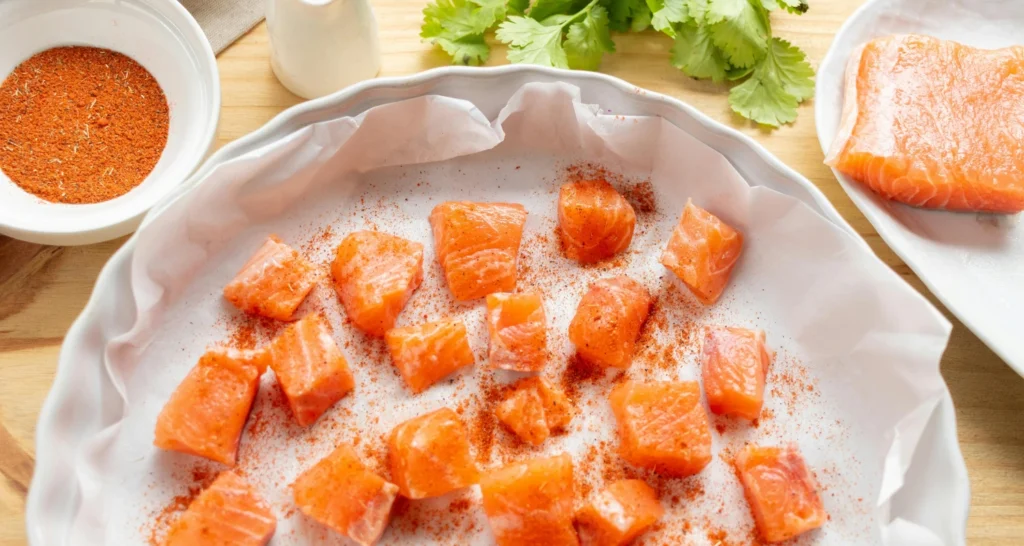
Brush your salmon generously with olive oil, melted butter, or a marinade before it goes in the oven. Fat creates a protective barrier that keeps moisture from escaping. This is non-negotiable for a juicy baked salmon.
3. Cover It (At Least Partially)
Covering the salmon with foil for most of the cooking time traps steam and keeps it moist. You can remove the foil in the last 5 minutes if you want a slightly caramelized top.
4. Don’t Overcook It
Salmon is done when it reaches an internal temperature of 125°F–130°F (52°C–54°C) for medium, or 145°F (63°C) for fully cooked. Use a meat thermometer — it takes all the guesswork out.
Pro Tip: Pull salmon out of the oven slightly before it looks fully done. It continues to cook from residual heat for a couple of minutes.
5. Marinate or Season Generously
Even a quick 15–30 minute marinade adds flavor and helps keep the fish moist. Think lemon juice, garlic, soy sauce, honey, olive oil, or fresh herbs.
Ingredients
This simple moist salmon recipe serves 4 people and uses pantry staples you probably already have.
For the Salmon:
- 4 salmon fillets (6 oz / 170g each), skin-on
- 2 tablespoons olive oil
- 1 teaspoon garlic powder
- 1 teaspoon smoked paprika
- 1/2 teaspoon salt
- 1/2 teaspoon black pepper
- 1/2 teaspoon onion powder
For the Lemon Garlic Butter (Optional but Highly Recommended) :
- 2 tablespoons unsalted butter, melted
- 2 garlic cloves, minced
- Juice of 1 lemon
- 2 tablespoons fresh parsley, chopped
- Lemon slices, for topping
�� Internal Link: Looking for more salmon ideas? Check out our [Honey Garlic Glazed Salmon] and [Teriyaki Salmon Bowl] recipes.
Step-by-Step Instructions
Follow these easy steps for perfectly juicy, moist baked salmon every time.
- Preheat your oven to 400°F (200°C) and line a baking sheet with foil or parchment paper.
- Pat the salmon fillets dry with paper towels. Removing surface moisture helps the seasoning stick and prevents steaming.
- Brush each fillet with olive oil on both sides. Place them skin-side down on the prepared baking sheet.
- Mix together the garlic powder, smoked paprika, salt, pepper, and onion powder. Sprinkle evenly over the top of each fillet.
- If using the lemon garlic butter, combine melted butter, minced garlic, and lemon juice in a small bowl. Spoon generously over the seasoned salmon.
- Top each fillet with a lemon slice.
- Cover the baking sheet tightly with foil. This traps steam and is the key to keeping your salmon moist in the oven.
- Bake covered for 12–14 minutes, then remove the foil and bake for another 2–3 minutes to lightly caramelize the top.
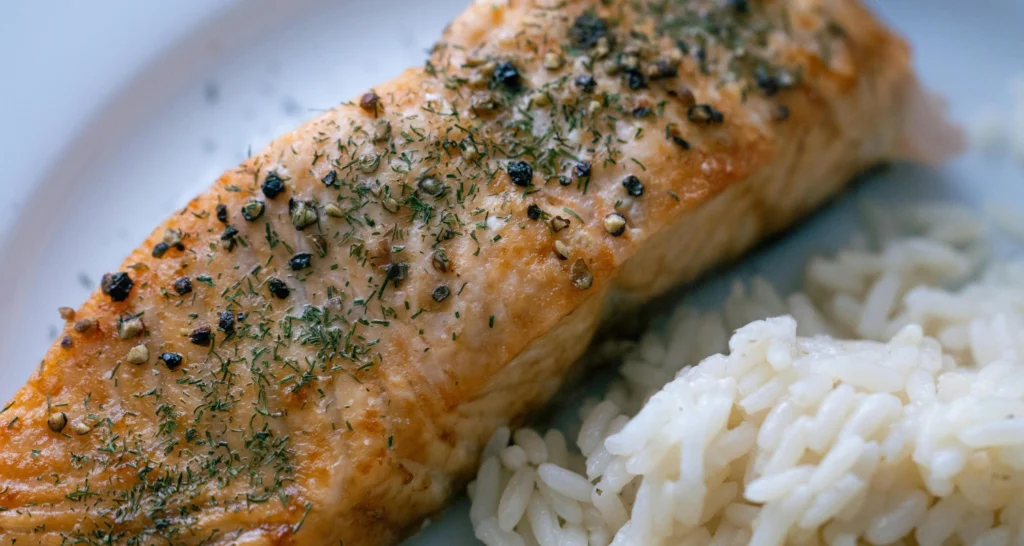
- Check doneness with a thermometer: 125°F for medium, 145°F for fully cooked. The flesh should flake easily with a fork but still look slightly translucent in the center for medium.
- Remove from oven, rest for 2 minutes, garnish with fresh parsley, and serve immediately.
�� Image Suggestion: Step-by-step collage: salmon being brushed with butter, covered with foil, and the finished dish plated with lemon. Alt text: ‘step by step moist salmon recipe in oven’
Best Temperature and Cooking Time for Salmon
One of the most common questions is: how long to bake salmon? Here’s a quick reference guide:
| Oven Temperature | Fillet Thickness | Cooking Time |
| 275°F (135°C) — Slow Roast | 1 inch | 25–30 minutes |
| 375°F (190°C) — Moderate | 1 inch | 15–20 minutes |
| 400°F (200°C) — Standard Bake | 1 inch | 12–15 minutes |
The universal rule: bake salmon 4–6 minutes per half-inch of thickness. Always measure at the thickest part.
Common Mistakes to Avoid
Even experienced cooks slip up with salmon. Watch out for these:
- Cooking straight from the fridge — let salmon rest at room temperature for 15 minutes before baking so it cooks evenly
- Using too thin pieces — tail-end fillets cook much faster; try to use center-cut fillets for consistent thickness
- Skipping the thermometer — guessing doneness almost always leads to overcooked fish
- Opening the oven too often — every peek drops the temperature and throws off timing
- Not drying the salmon before seasoning — excess moisture on the surface creates steam instead of a good sear
- Using a cold baking dish — if you’re not using foil, preheat the pan slightly so the salmon doesn’t stick
Delicious Variations to Try
Once you’ve nailed the basic method, mixing things up is half the fun. Here are some of our favorite spins:
Garlic Butter Salmon
Replace olive oil with 3 tablespoons of melted butter mixed with 4 minced garlic cloves. Rich, indulgent, and absolutely irresistible.
Lemon Herb Salmon
Top the fillets with thin lemon slices, fresh dill, and capers before covering with foil. Light, bright, and perfect for summer.
Keto / Low-Carb Salmon
This recipe is naturally keto-friendly! Stick with olive oil, lemon, garlic, and herbs. Skip any honey-based marinades and you’re all set.
Honey Soy Glazed Salmon
Mix 2 tablespoons soy sauce, 1 tablespoon honey, 1 teaspoon sesame oil, and 1 teaspoon grated ginger. Brush over the salmon and bake uncovered for slightly caramelized edges.
Healthy Mediterranean Salmon
Top with diced tomatoes, olives, capers, and a drizzle of olive oil. Serve with a simple salad for a heart-healthy weeknight dinner.
�� Internal Link: Try our [15-Minute Sheet Pan Salmon and Veggies] for an easy one-pan variation.
Storage and Reheating Tips
Leftover salmon is a gift — if you store and reheat it properly.
Storing:
- Refrigerator: Store in an airtight container for up to 3 days
- Freezer: Wrap tightly in plastic wrap, then foil, and freeze for up to 2 months
Reheating Without Drying Out:
- Oven method (best): Preheat to 275°F, add a splash of water or broth to the dish, cover with foil, and warm for 10–15 minutes
- Skillet method: Reheat over low heat in a covered pan with a drop of butter or oil
- Microwave (least recommended): Cover with a damp paper towel and heat on 50% power in 30-second intervals
Never reheat salmon at full microwave power — it dries out instantly and can smell unpleasant. Low and slow is the way to go.
Frequently Asked Questions
What is the best temperature for salmon in the oven?
The best temperature for salmon is 400°F (200°C) for a standard bake (12–15 minutes), or 275°F (135°C) for slow roasting (25–30 minutes). Slow roasting produces incredibly silky, moist results but takes longer. Both methods work — it just depends on how much time you have.
How long to bake salmon at 400°F?
At 400°F, a 1-inch thick salmon fillet takes about 12–15 minutes covered, plus 2–3 minutes uncovered if you want a slightly golden top. Always check with a thermometer rather than relying solely on time.
Should I bake salmon covered or uncovered?
For the moistest results, bake salmon covered with foil for most of the cooking time. The foil traps steam and prevents moisture loss. You can remove the foil for the last few minutes if you prefer a lightly browned surface.
How do I know when salmon is done without a thermometer?
Press the thickest part of the fillet gently with a fork. If it flakes easily and the flesh has turned from translucent to opaque, it’s done. A slightly pink, moist center is perfectly fine for medium doneness. If the flesh looks white all the way through and starts to pull apart on its own, it’s overcooked.
Can I bake frozen salmon without thawing?
Yes, you can! Rinse the frozen fillets under cold water, pat dry, season, and add an extra 5–8 minutes to the cooking time. Cover with foil and keep an eye on the internal temperature. The result won’t be quite as juicy as thawed salmon, but it’s a solid option for weeknight emergencies.
What is the white stuff coming out of my salmon?
That white substance is called albumin — a protein that coagulates and seeps out as the fish cooks. It’s completely safe to eat. To minimize it, cook at a lower temperature and avoid overcooking. The slower and gentler the heat, the less albumin you’ll see.
Final Thoughts
Now you know exactly how to cook salmon without drying it in the oven — and the secrets are honestly pretty simple. Use the right temperature, don’t skip the fat, cover it with foil, and pull it out before it looks fully done. That’s really all it takes to go from dry and disappointing to juicy, flaky perfection.
Give this moist salmon recipe a try tonight and see the difference for yourself. Once you’ve made it a couple of times, it’ll become second nature.
Did you try this recipe? Leave a comment below and let us know how it turned out! And if you loved it, share it with a friend who’s been struggling with dry salmon — you might just change their dinner game forever. ❤️
�� Internal Link: You might also love: [Creamy Tuscan Salmon] | [Pan-Seared Salmon with Lemon Butter Sauce] | [Air Fryer Salmon in 10 Minutes]