
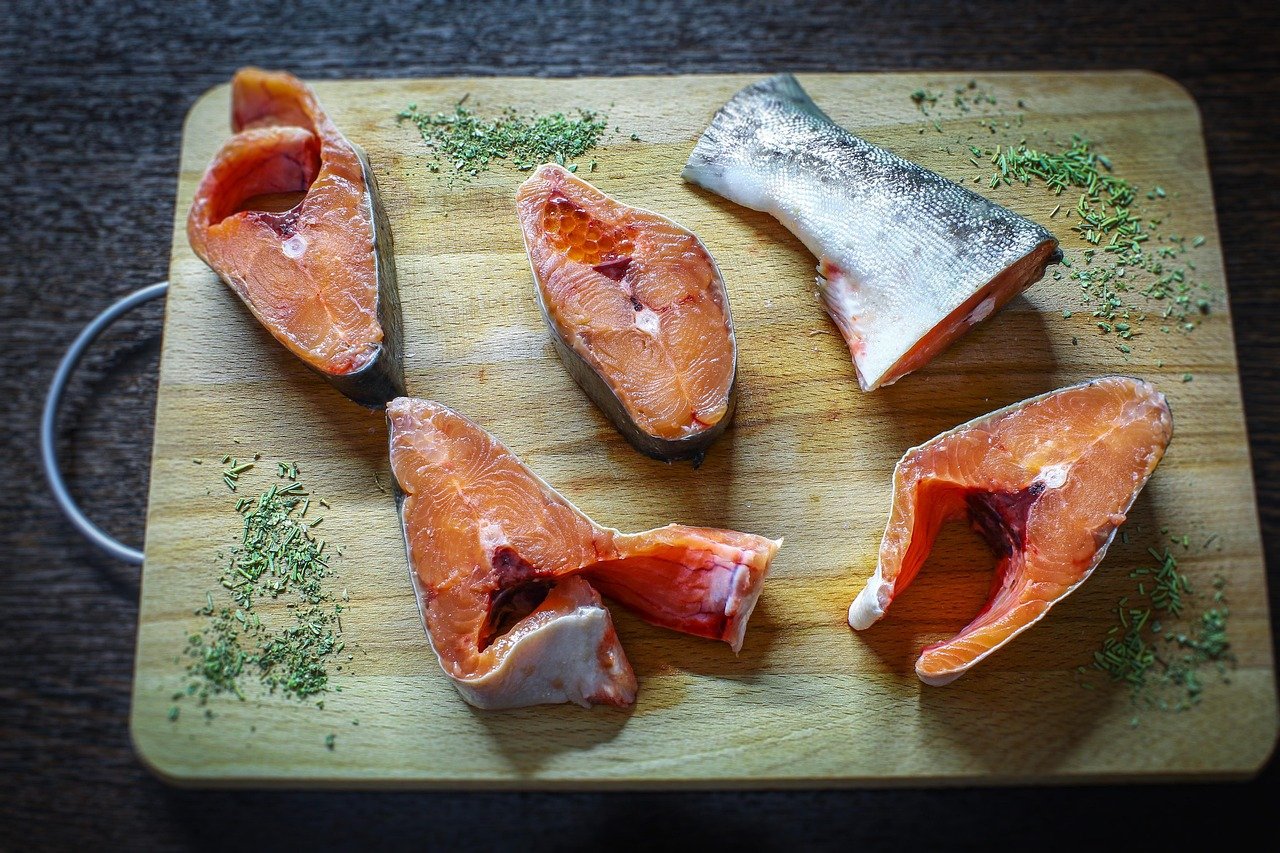

Internal Temp of Salmon
What Is the Safe Internal Temperature for Salmon?
The USDA recommendscooking salmon to an internal temperature of 145°F (63°C), measured at the thickest part of the fillet. At this temperature, harmful pathogens are eliminated, making the fish safe to eat for most people — including children, pregnant women, and immunocompromised individuals.
However — and this is where it gets interesting — most chefs and experienced home cooks pull their salmon off the heat well before 145°F. Here’s why.
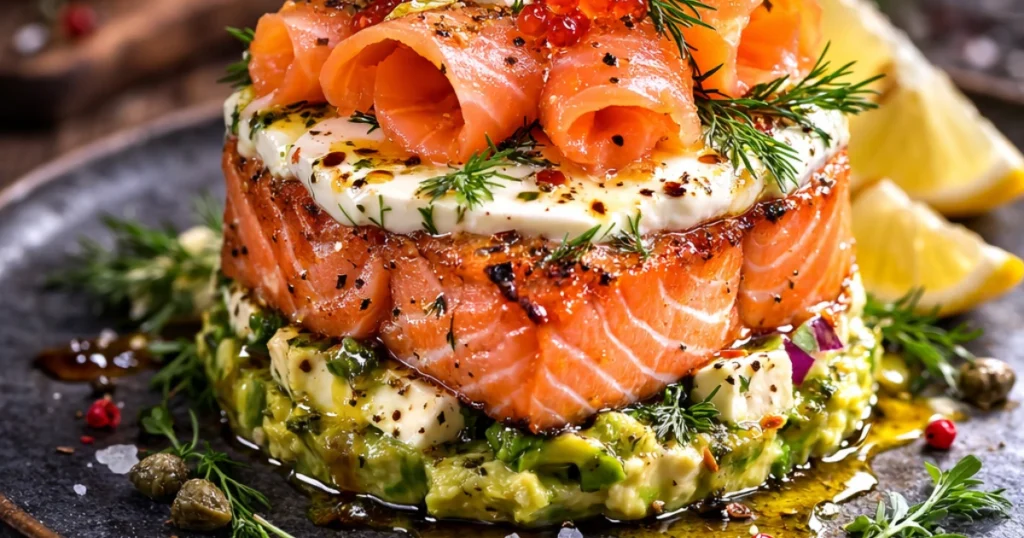
Internal Temp of Salmon: The Only Guide You’ll Ever Need | [YourSiteName]
Wondering what internal temp salmon should reach? Learn the USDA-recommended temperature, chef-preferred doneness levels, and foolproof tips to cook perfect salmon every time — pan, oven, grill, or air
Introduction
You’ve got a beautiful salmon fillet sizzling in the pan. The skin is crisping up nicely, the kitchen smells incredible — but how do you actually know when it’s done? Cutting it open and guessing is a recipe for disaster (and dry salmon). The answer is simpler than you think: use a meat thermometer and know your target internal temp.
In this guide, we break down everything you need to know about the internal temp of salmon — from the USDA safe minimum to chef-preferred doneness levels, plus tips for every cooking method. Whether you’re pan-searing, baking, grilling, or air frying, you’ll never serve overcooked salmon again.
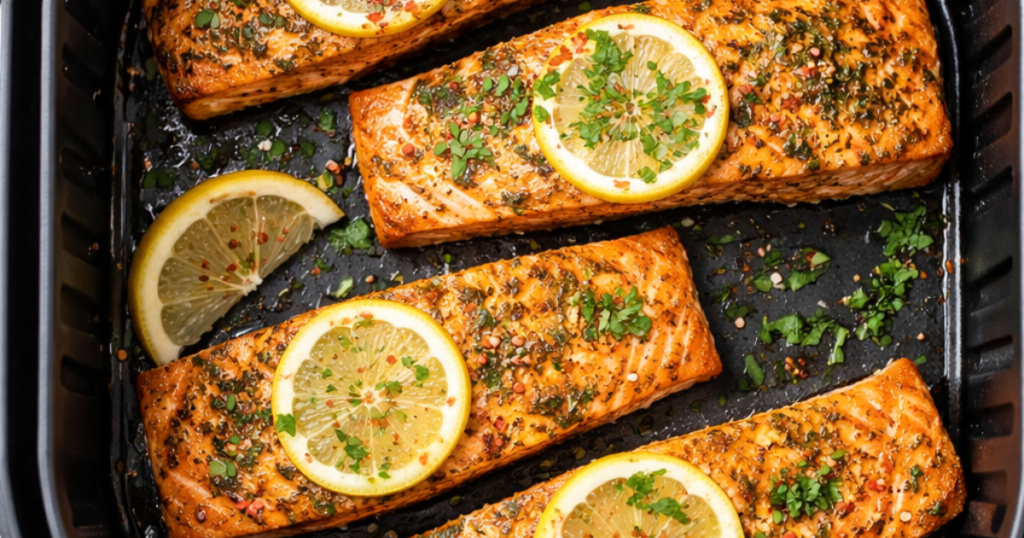
The Salmon Doneness Temperature Chart
Not all salmon is created equal, and not all eaters want the same texture. Here’s a practical breakdown of salmon doneness by internal temperature:
| Internal Temp | Doneness Level | Texture & Appearance |
|---|---|---|
| 110°F – 115°F (43°C – 46°C) | Rare | Translucent center, very soft, almost raw in the middle |
| 120°F – 125°F (49°C – 52°C) | Medium-Rare -Chef’s Favorite | Silky, slightly translucent center, buttery texture |
| 130°F – 135°F (54°C – 57°C) | Medium | Mostly opaque, moist and tender, slight flakiness |
| 140°F – 145°F (60°C – 63°C) | Well Done / USDA Safe | Fully opaque, firm, beginning to flake easily |
| 150°F+ (66°C+) | Overcooked | Dry, chalky, tough — avoid this zone |
The sweet spot for most home cooks? 125°F–130°F (52°C–54°C) — just enough heat to render the fat, develop flavor, and maintain that coveted moist, silky texture.
Why Chefs Pull Salmon at 125°F (Not 145°F)
Walk into any professional kitchen and you’ll rarely see salmon cooked to the USDA’s recommended 145°F. That’s because at that temperature, salmon loses much of its natural moisture and that signature buttery quality that makes a great piece of fish so memorable.
At 125°F, the proteins have set just enough to hold together, the fat has gently rendered through the flesh, and the center remains a beautiful, translucent blush pink. It’s the temperature that produces restaurant-quality salmon at home.
Important caveat: Medium-rare salmon (below 145°F) carries a small food safety risk. It is not recommended for:
- Pregnant women
- Young children under 5
- Elderly individuals
- Anyone with a compromised immune system
If you fall into any of these categories, cook your salmon to 145°F and use the tips below to keep it as moist as possible.
How to Measure the Internal Temp of Salmon Correctly
Getting an accurate temperature reading is just as important as knowing your target. Here’s how to do it right:
1. Use an instant-read thermometer. A digital probe thermometer (like a Thermapen or a budget-friendly ThermoPro) gives you a reading in 2–3 seconds. Dial thermometers are less accurate and too slow for thin fish fillets.
2. Insert the probe at the thickest point. For a salmon fillet, this is usually the center of the widest part. Avoid inserting through the skin side.
3. Angle the probe horizontally. Rather than poking straight down, insert at a slight angle through the side of the fillet. This keeps the probe fully inside the flesh for an accurate reading.
4. Account for carryover cooking. Salmon continues to cook for 1–2 minutes after you remove it from heat. Pull it 3°F–5°F below your target temp and let it rest briefly on the plate.
Internal Temp of Salmon by Cooking Method
Different cooking methods can make hitting that perfect temperature easier or trickier. Here’s what to expect with each one.
Baked Salmon Internal Temperature
Target: 125°F–130°F (medium) or 145°F (well done)
Baking is the most forgiving method. A salmon fillet baked at 400°F (200°C) for 12–15 minutes typically reaches 125°F–130°F, depending on thickness. Use a thermometer rather than timing alone — oven temperatures vary.
Pro tip: Bake salmon on a foil-lined sheet pan and tent loosely with foil for the first 8 minutes to trap steam and keep it moist.
Pan-Seared Salmon Internal Temperature
Target: 125°F–130°F
Pan-searing over medium-high heat creates that irresistible crispy skin. Start skin-side down, press gently for the first 30 seconds to prevent curling, and cook 4–5 minutes. Flip, cook 1–2 minutes more, and check the temp.
Watch out: The residual heat from a cast iron skillet is powerful. Pull pan-seared salmon at 120°F and let carryover cooking do the rest.
Grilled Salmon Internal Temperature
Target: 130°F–140°F
Grilling adds smokiness and char, and the high heat means salmon can go from perfect to overdone quickly. Grill salmon skin-side down over medium-high heat for 4–5 minutes, flip once, and pull at 130°F. Let rest 2 minutes before serving.
Tip: Oil your grill grates generously and don’t move the salmon until it releases naturally — this prevents it from sticking and breaking apart.
Air Fryer Salmon Internal Temperature
Target: 125°F–130°F
The air fryer is surprisingly excellent for salmon — it crisps the exterior while keeping the inside tender. Cook at 390°F (199°C) for 7–9 minutes depending on thickness. Begin checking the internal temp at 7 minutes.
Sous Vide Salmon Internal Temperature
Target: 122°F–130°F
Sous vide gives you the most precise control over doneness. Cooking salmon at 125°F for 30–45 minutes produces a texture that’s nearly impossible to achieve any other way — custard-soft, uniformly cooked edge to edge, and intensely moist.
Finish with a quick 30-second sear in a screaming hot pan for color and flavor.
Smoked Salmon Internal Temperature
Target: 145°F (for hot smoking)
Hot-smoked salmon should reach 145°F for food safety, since it starts at raw temperature and spends time in a lower-heat smoking environment. Cold-smoked salmon (like lox) is a cured product and is not cooked — it’s eaten as-is and follows different safety guidelines.
How to Tell When Salmon Is Done Without a Thermometer
While we always recommend using a thermometer, here are a few visual and tactile cues to guide you if one isn’t handy:
The fork test: Press a fork gently into the thickest part of the fillet and twist slightly. If the flesh flakes cleanly and easily, it’s done. If it resists and feels rubbery, it needs more time.
The color check: Raw salmon is bright, translucent, and almost glassy. As it cooks, it turns from translucent to opaque. For medium doneness, the center should still have a faint blush of translucency — not raw, but not fully opaque either.
The touch test: Gently press the center of the fillet with your fingertip. Undercooked salmon feels soft and gives a lot. Properly cooked salmon has a slight spring-back. Overcooked salmon feels firm and stiff.
The white albumin test: That white, cottage cheese-like substance that oozes out of salmon as it cooks? That’s albumin — a protein that seeps out and coagulates when salmon is cooked too quickly or at too high a heat. A little is normal; a lot is a sign it’s heading toward overcooked.
5 Tips for Perfectly Cooked Salmon (No Matter the Method)
1. Start with room-temperature salmon. Take your fillet out of the fridge 15–20 minutes before cooking. Cold salmon cooks unevenly, leaving the outside overdone and the center raw.
2. Pat it dry. Moisture is the enemy of a good sear. Use paper towels to pat the surface of the salmon dry before it hits the pan or grill.
3. Season generously and at the right time. Salt draws out moisture. Season salmon immediately before cooking, not 20 minutes ahead, unless you’re intentionally dry-brining.
4. Don’t overcrowd the pan. Give each fillet space. Overcrowding drops the pan temperature and causes steaming instead of searing.
5. Let it rest. Just like steak, salmon benefits from 1–2 minutes of rest off the heat. This allows the juices to redistribute and carryover cooking to finish the job.
Frequently Asked Questions
Q: What internal temp should salmon be for it to be safe to eat? The USDA recommends 145°F (63°C) as the safe internal temperature for salmon. However, many cooks prefer 125°F–130°F for a more moist, tender result, accepting a small food safety tradeoff.
Q: Is 120°F safe for salmon? At 120°F, salmon is in the rare category. It’s not considered fully safe by USDA standards, but is enjoyed by many healthy adults. It is not recommended for vulnerable populations.
Q: Can salmon be a little pink inside? Yes! Salmon cooked to medium doneness (125°F–130°F) will still be slightly pink or translucent in the very center. This is intentional and indicates it’s moist and not overcooked.
Q: How can I cook salmon to 145°F without drying it out? Bake it low and slow at 275°F (135°C) for 25–30 minutes rather than blasting it at high heat. Lower heat gives you more control and results in a much more tender fillet even at full safe temperature.
Q: Why does my salmon feel dry even at 130°F? This usually means it was cooked at too high a temperature too quickly, or it sat in the pan after reaching temp. Try reducing your heat slightly and removing it from the heat source the moment it hits your target.
The Bottom Line
The internal temp of salmon is the single most reliable way to nail doneness every time. Whether you prefer a buttery medium-rare at 125°F or the peace of mind that comes with a fully safe 145°F, the key is to use an instant-read thermometer and pull your salmon a few degrees early to account for carryover cooking.
Stop cutting into your salmon to check — start measuring. Your dinner guests will notice the difference.
Quick Reference Summary
| Goal | Target Internal Temp |
|---|---|
| USDA Safe / Well Done | 145°F (63°C) |
| Medium (chef-preferred) | 130°F–135°F (54°C–57°C) |
| Medium-Rare | 125°F (52°C) |
| Pull from heat (carryover) | 3°F–5°F below target |
Did this guide help you cook the best salmon of your life? Drop a comment below — we’d love to hear how it turned out! And if you’re looking for what to do with that perfectly cooked salmon, check out our [smoked salmon recipes] and [baked salmon dinner ideas] posts.