

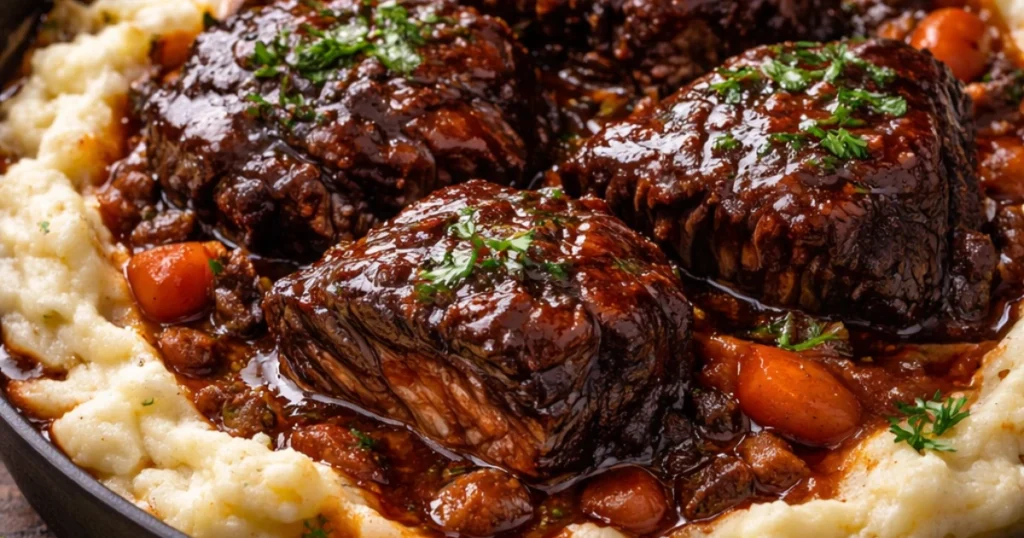
If you’ve been sleeping on beef cheeks, it’s time to wake up. This deeply flavourful, collagen-rich cut has quietly become one of the most prized pieces of meat in restaurant kitchens worldwide — and for good reason. When given the long, slow cook it deserves, beef cheeks transform into something extraordinary: silky, pull-apart tender, and rich with beefy depth that no other cut can quite replicate.
Whether you’re a seasoned home cook curious about branching beyond chuck roast, or a complete newcomer wondering what on earth a beef cheek even is, this guide covers everything you need to know — from butcher shop basics to a foolproof braised beef cheeks recipe that will genuinely impress at your next dinner party.
What Are Beef Cheeks?
Beef cheeks are exactly what they sound like: the facial cheek muscles of a cow. Because these muscles work constantly as the animal chews, they’re incredibly dense, well-exercised, and loaded with connective tissue and collagen. That might not sound appetising at first, but here’s the magic: all that connective tissue melts during low-and-slow cooking, turning into rich, velvety gelatin that bastes the meat from within and creates a sauce of extraordinary body and depth.
Each beef cheek typically weighs between 300 and 500 grams (roughly 10 to 18 oz) once trimmed. They’re sold in pairs, and most recipes call for one to two cheeks per person, depending on appetite and what you’re serving alongside.
Beef Cheeks vs. Other Braising Cuts
You might be wondering how beef cheeks stack up against other popular slow-cook cuts like brisket, short ribs, or osso buco. Here’s a quick comparison:
- Brisket is leaner with a more fibrous texture. It slices beautifully but doesn’t have the same meltingly gelatinous quality as cheeks.
- Short ribs are rich and fatty, often with a bone-in presentation that looks stunning on the plate. Beef cheeks are boneless and arguably even more tender.
- Chuck roast is workhorse beef for pot roasts and stews. It’s fantastic, but beef cheeks have a more concentrated, complex flavour profile.
- Oxtail delivers similar gelatinous richness, but the bones make serving trickier. Beef cheeks offer the same reward with easier plating.
In short, beef cheeks deliver the best of all braising worlds: intense flavour, luxurious texture, and elegant presentation.
Nutritional Profile of Beef Cheeks
Beef cheeks are a nutrient-dense cut that deserves a spot in a balanced diet. Per 100g of cooked beef cheeks, you can generally expect around 18–22g of protein, a moderate amount of fat (much of which renders out during cooking), and notable amounts of iron, zinc, B12, and selenium. The high collagen content also provides glycine and proline — amino acids associated with gut health, joint support, and skin elasticity.
Like all red meat, they’re best enjoyed as part of a varied diet. But as an occasional centrepiece for a weekend feast, they’re genuinely nourishing as well as delicious.
Where to Buy Beef Cheeks
Beef cheeks aren’t always stocked at mainstream supermarkets, but they’re becoming more widely available as nose-to-tail eating grows in popularity. Here’s where to look:
Butchers. Your best bet. A good butcher will not only have beef cheeks in stock (or be able to order them), but they’ll also trim them for you and give advice on quantity. Ask for cheeks that are already cleaned of the outer silverskin — this tough membrane won’t break down during cooking and should be removed.
Specialty or ethnic grocery stores. Mexican, Spanish, and Asian grocery stores frequently stock beef cheeks, as they appear in dishes across many culinary traditions (barbacoa, for instance, is traditionally made from beef cheeks).
Online butchers. Many quality online meat suppliers sell vacuum-packed beef cheeks with next-day delivery.
Farmers’ markets. If you can source beef cheeks directly from a local farm, you’re in for a treat. Grass-fed beef cheeks have an especially rich, complex flavour.
What to Look for When Buying
Choose cheeks that are deep red to dark burgundy in colour, which signals good myoglobin content and well-exercised muscle. Avoid anything pale grey or with an off smell. The meat should be firm and slightly moist, not slimy. If buying trimmed cheeks, they should be roughly uniform in size so they cook evenly.
How to Prepare Beef Cheeks Before Cooking
Proper prep makes a real difference with beef cheeks. Follow these steps before your cheeks ever hit a pan:
1. Trim the silverskin. If your butcher hasn’t already done this, use a sharp boning knife to remove the tough outer membrane. Slide the knife under the silverskin at an angle and work it away in strips. Any large patches of hard external fat can also be removed, though some marbling within the meat is welcome.
2. Pat dry thoroughly. Dry meat browns far better than wet meat. Use paper towels to absorb surface moisture before searing.
3. Season generously. Salt the cheeks at least 30 minutes before cooking — or ideally overnight in the fridge. A generous hit of kosher or sea salt draws out moisture initially but then reabsorbs, seasoning the meat all the way through. Add freshly cracked black pepper just before searing.
4. Consider a marinade. While not strictly necessary, marinating beef cheeks overnight in red wine, aromatics, and herbs pre-flavours the meat and can tenderise it slightly. If you’re marinating, the marinating liquid can often be used as part of the braising liquid.
The Best Way to Cook Beef Cheeks: Low and Slow
There is essentially one rule with beef cheeks: cook them low and slow. High heat will make them tough and dry. Given enough time at a gentle simmer, they become genuinely transcendent.
Oven Braising (Recommended Method)
Braising — cooking the meat partially submerged in liquid in a covered pot — is the gold-standard method for beef cheeks. The enclosed environment traps steam, the liquid provides flavour and moisture, and the gentle heat breaks down collagen over time.
Cook at 150–160°C (300–320°F) for 3 to 4 hours. The cheeks are done when you can insert a fork and twist with virtually no resistance — the meat should be on the verge of falling apart but still hold its shape.
Slow Cooker Beef Cheeks
Beef cheeks are exceptional in a slow cooker. Follow the same searing and sauce-building steps below, then transfer everything to your slow cooker and cook on LOW for 8–10 hours or HIGH for 5–6 hours. The results are deeply flavourful with minimal active effort — perfect for a set-and-forget Sunday dinner.
Pressure Cooker / Instant Pot
Short on time? A pressure cooker cuts the cook time dramatically — around 60–75 minutes at high pressure will yield very tender beef cheeks. Be aware that the texture, while excellent, is slightly different from the oven-braised version: less of the gradual melting quality and more of a “steam-tender” texture. Still delicious, though.
Classic Red Wine Braised Beef Cheeks Recipe
This is the recipe to start with — a deeply savoury, Burgundy-inspired braise that highlights everything great about beef cheeks. It serves 4 generously.
Ingredients
- 4 beef cheeks (about 1.5–1.8 kg / 3.3–4 lbs total), trimmed
- 2 tbsp olive oil or neutral cooking oil
- 1 large onion, roughly diced
- 2 medium carrots, roughly diced
- 3 stalks celery, roughly diced
- 6 cloves garlic, smashed
- 2 tbsp tomato paste
- 500ml (2 cups) full-bodied red wine (Shiraz, Cabernet Sauvignon, or Malbec)
- 400ml (1.5 cups) good-quality beef stock
- 2 sprigs fresh thyme
- 2 sprigs fresh rosemary
- 2 bay leaves
- Salt and freshly cracked black pepper
Instructions
Step 1: Preheat your oven to 150°C (300°F). Generously season the beef cheeks with salt and pepper on all sides.
Step 2: Sear the cheeks. Heat the oil in a large, heavy-based Dutch oven or casserole dish over high heat. When the oil is shimmering and almost smoking, add the beef cheeks in a single layer (work in batches to avoid crowding). Sear for 3–4 minutes per side without moving, until a deep, mahogany-brown crust develops. Remove and set aside.
Step 3: Build the base. Reduce heat to medium. Add the onion, carrot, and celery to the same pot. Cook, stirring occasionally, for 6–8 minutes until softened and beginning to caramelise. Add the garlic and cook for another minute. Add the tomato paste and stir it into the vegetables, cooking for 2 minutes until it darkens slightly — this step is important for depth of flavour.
Step 4: Deglaze. Pour in the red wine and use a wooden spoon to scrape up all the browned bits from the bottom of the pot. These bits are pure flavour. Bring to a vigorous simmer and reduce the wine by about one-third, which takes roughly 5–7 minutes.
Step 5: Braise. Add the beef stock, thyme, rosemary, and bay leaves. Return the seared beef cheeks to the pot — they should be at least half-submerged in liquid. Bring to a simmer, then cover tightly with a lid and transfer to the oven. Braise for 3–3.5 hours, turning the cheeks once halfway through if you think of it.
Step 6: Rest and reduce. Once the cheeks are tender, carefully lift them from the braising liquid and set aside to rest. Strain the braising liquid through a fine sieve into a saucepan, pressing the vegetables to extract maximum flavour. Bring to a simmer over medium heat and reduce until the sauce is glossy and coats a spoon, about 10–15 minutes. Taste and adjust seasoning.
Step 7: Serve. Return the cheeks to the sauce or plate them individually with sauce spooned generously over the top. Serve immediately.
Serving Suggestions
Classic accompaniments for braised beef cheeks include creamy mashed potato, polenta, buttered egg noodles, or celeriac purée. Something starchy and smooth is ideal for soaking up the extraordinary sauce. For vegetables, braised red cabbage, roasted root vegetables, or wilted greens work beautifully. A sprinkle of fresh parsley, a drizzle of good olive oil, or a grating of horseradish over the finished plate adds freshness and contrast.
Flavour Variations: Beyond Red Wine
Once you’ve mastered the classic braise, there’s a whole world of flavour variations to explore with beef cheeks:
Mexican Barbacoa Style. Skip the wine and braise in chipotle peppers in adobo, dried ancho chiles, beef stock, cumin, oregano, garlic, and a splash of apple cider vinegar. Shred the cooked cheeks and serve in warm corn tortillas with pickled onions, fresh coriander, and lime.
Asian-Inspired. Braise with dark soy sauce, rice wine, star anise, ginger, garlic, and a touch of sugar for a riff on red-braised pork belly. Serve with steamed rice and blanched bok choy.
Italian Sunday Ragù. Shred the cooked cheeks into the strained, reduced braising sauce and toss with wide pasta like pappardelle or rigatoni. Finish with Parmesan and a drizzle of extra virgin olive oil.
Stout & Root Vegetable. Replace the wine with a good dark stout or porter. Add parsnip, turnip, and swede to the braise for a hearty, warming result perfect for cold-weather cooking.
Common Mistakes to Avoid
Not searing properly. That deep brown crust isn’t just for looks — it’s the Maillard reaction creating hundreds of new flavour compounds. Don’t rush the sear and don’t crowd the pan.
Cooking at too high a temperature. Impatience is the enemy here. A rolling boil will turn even these forgiving cheeks grainy and dry. You want a barely-there simmer — the liquid should tremble, not bubble aggressively.
Not reducing the sauce. Many home cooks serve braised dishes with the full volume of braising liquid, which can be thin and lacking intensity. Always reduce the strained liquid until it’s glossy and flavourful. This is what separates a good braise from a great one.
Skipping the trim. Leave that silverskin on and you’ll have a chewy, unpleasant band running through your otherwise tender meat. Take five minutes to prep it properly and you’ll be glad you did.
Make-Ahead Tips and Storage
Beef cheeks are one of those rare dishes that genuinely improve with time, making them an ideal make-ahead meal. Here’s how to handle them:
Make ahead: Cook the entire recipe up to 3 days in advance. Store the cheeks submerged in their strained (but not yet reduced) sauce in an airtight container in the fridge. The fat will solidify on the surface, which actually helps preserve the meat. When ready to serve, lift off the solidified fat, gently reheat everything together, then transfer the cheeks to a warm serving dish and reduce the sauce as instructed.
Freezing: Beef cheeks freeze brilliantly. Place cooled cheeks and sauce in a zip-lock bag or airtight container and freeze for up to 3 months. Defrost overnight in the fridge before reheating gently.
Reheating: Always reheat beef cheeks gently, partially submerged in sauce, over low heat or in a low oven (around 140°C / 285°F). High heat will dry them out quickly.
Frequently Asked Questions About Beef Cheeks
How long do beef cheeks take to cook?
In the oven at 150°C (300°F), beef cheeks take approximately 3 to 3.5 hours to become completely tender. In a slow cooker on LOW, expect 8–10 hours. In a pressure cooker, 60–75 minutes at high pressure is generally sufficient.
Can I overcook beef cheeks?
Technically yes, though they are quite forgiving. If cooked for too long, they can become mushy and start to fall apart at the slightest touch, making them harder to plate elegantly. Aim for that sweet spot where the meat yields easily to a fork but still holds its shape when moved.
Are beef cheeks expensive?
Historically considered offal or a “secondary cut,” beef cheeks have risen in price as their culinary reputation has grown. However, they remain significantly cheaper than premium steaks and are far more economical than short ribs for the eating quality they deliver. Think of them as a budget-to-mid-range cut that cooks like a luxury ingredient.
Do I need to marinate beef cheeks before cooking?
It’s optional, not essential. A quality braise will develop outstanding flavour regardless. If you have time, an overnight marinade in red wine and aromatics adds another layer of depth and can slightly tenderise the outer layers of the meat. But don’t stress if you haven’t planned ahead — skip the marinade and follow the recipe as written.
What wine should I use for braising beef cheeks?
Use a full-bodied red wine you’d be happy to drink — Shiraz (Syrah), Cabernet Sauvignon, Malbec, or Côtes du Rhône all work brilliantly. Avoid “cooking wine,” which contains salt and additives and will make your sauce unpleasantly salty. The general rule: if you wouldn’t drink it, don’t cook with it.
Final Thoughts
Beef cheeks are one of those cuts that rewards patience with pure pleasure. They ask very little of you beyond time — a decent sear, a well-built braise, and the willpower to resist lifting the lid every 20 minutes — and in return they deliver a dish of restaurant-quality elegance that will have everyone at the table asking for the recipe.
If you’ve never cooked with beef cheeks before, this weekend is the perfect time to start. Find a good butcher, pick up a bottle of decent red, and give yourself a slow, unhurried Sunday afternoon. The results will speak for themselves.
Have you tried cooking beef cheeks at home? We’d love to hear about your experience — drop a comment below and let us know how they turned out, or share your own favourite flavour combinations!