
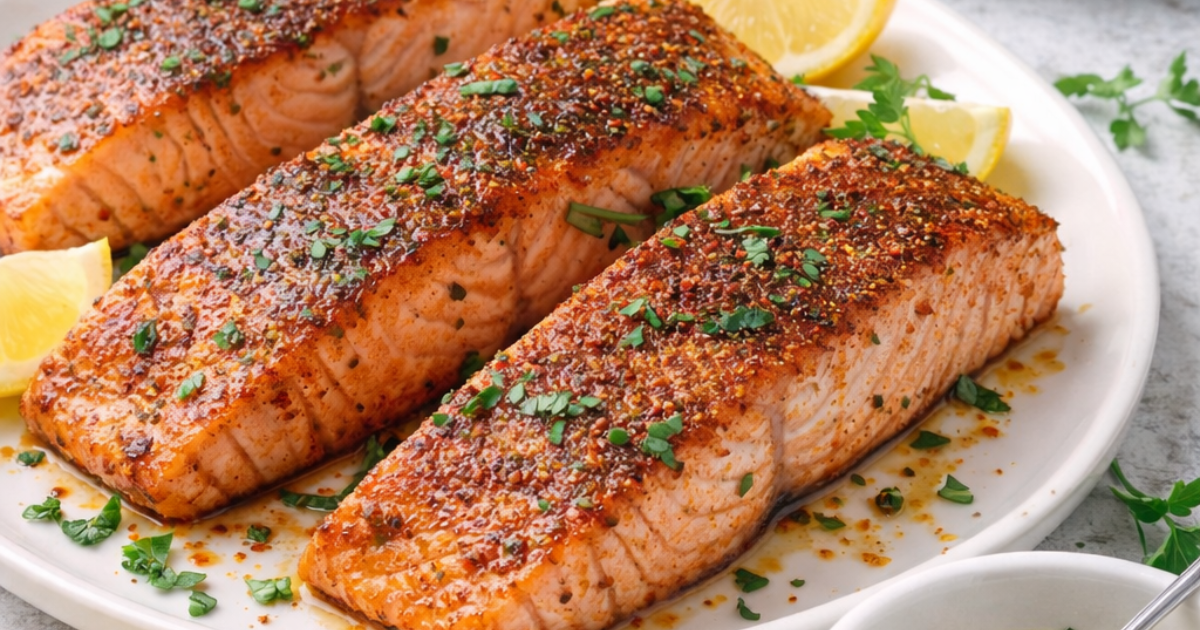

Spice Blends & Seasonings
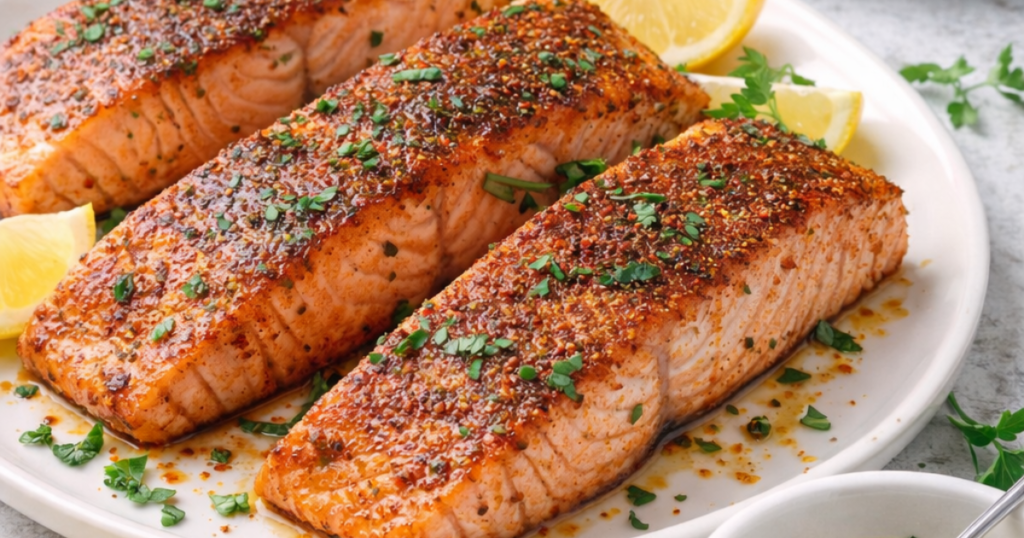
10 Salmon Seasoning Recipes That Will Change How You Cook Fish Forever
Homemade spice blends for every mood — from weeknight simplicity to dinner-party showstoppers. No pre-made packets required.
What’s Inside
- Why Homemade Seasoning Wins
- Core Seasoning Principles
- All 10 Salmon Seasoning Recipes
- Quick-Reference Comparison
- How to Apply & Cook
- Storing Your Blends
- FAQ
10 Best Salmon Seasoning Recipes : Salmon is one of the most forgiving fish in the kitchen — but the right seasoning is what separates a meal you forget from one you make again and again. These ten blends were developed from scratch: no filler, no mystery MSG, no packets from a grocery store shelf. Just real spices, real flavor, and combinations that genuinely work.
Here is the thing most home cooks discover too late: salmon already carries remarkable depth on its own — the richness of omega-3 fats, a clean ocean sweetness, and a meaty texture that can stand up to bold flavors. The job of a great seasoning is not to mask the fish. It is to amplify what is already there, add contrast, and build a crust or glaze that makes every bite interesting.
Whether you are baking, pan-searing, grilling, or air-frying, these blends will cover every cooking context. Each recipe makes enough for several fillets and stores beautifully in a sealed jar.
Why Homemade Salmon Seasoning Is Worth the Extra 5 Minutes
Store-bought seasoning blends are convenient, but they come with trade-offs that compound over time. Most commercial blends are built around shelf stability and broad appeal — which means more salt, less of the volatile aromatic compounds that make fresh spices sing, and very little room for personalization.
Making your own salmon seasoning from scratch gives you three things that matter:
Full Control
Dial the heat, salt, or sweetness exactly where you want it. Make it work for your palate, not a product manager’s.
Better Flavor
Freshly mixed spices retain volatile oils that pre-made blends have long since lost. The difference is real and immediate.
Real Savings
A jar of smoked paprika makes 20 batches of seasoning. The per-use cost of homemade is a fraction of branded alternatives.
Dietary Flexibility
Control sodium for health goals, skip allergens, go sugar-free or Whole30-friendly with zero compromise on taste.
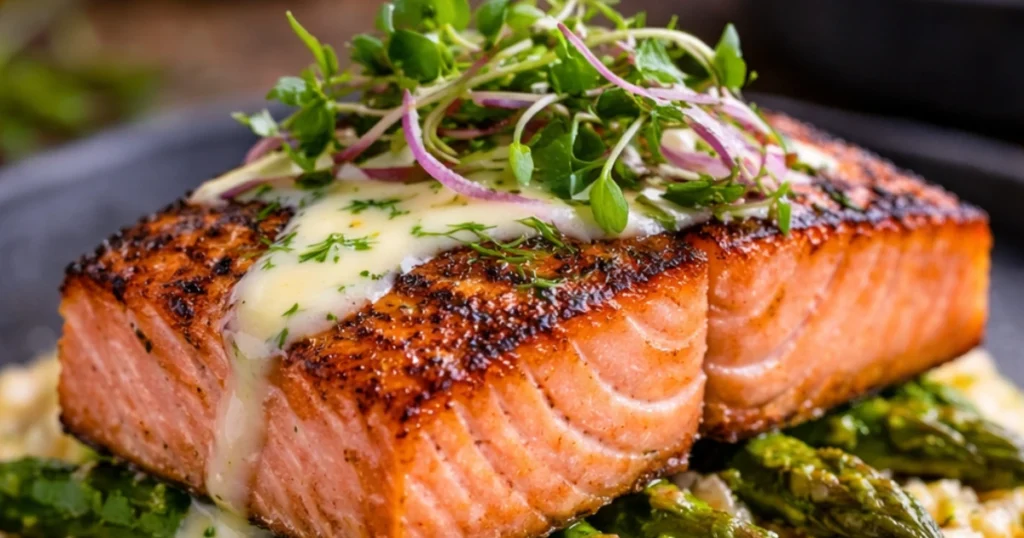
Core Principles Before You Start Blending
A well-built salmon seasoning is more than spices tossed together. These principles will help every blend you make hit harder:
Balance fat, acid, and heat. Salmon is a fatty fish. The seasoning needs elements that cut through the richness — this is why lemon zest, smoked paprika (which carries a gentle acidity), and brown sugar (which caramelizes and creates contrast) appear in so many successful blends.
Toast where possible. Whole cumin, coriander, and fennel seeds toasted in a dry pan for 90 seconds before grinding release aromatic compounds that no amount of pre-ground spice can replicate. It takes almost no time and the difference is significant.
Salt is a carrier, not the point. Every blend here includes salt, but in restrained quantities. You can always add more at the table. Over-salted salmon is unrecoverable.
Pat the salmon dry before applying. Moisture on the surface of the fillet dilutes the seasoning and prevents crust formation. Thirty seconds with a paper towel dramatically improves the result.
The 10 Best Salmon Seasoning Recipes
Classic Garlic-Herb Salmon Seasoning
HerbyMild Heat
The foundational blend. This is the one that works every time, for everyone — weeknight dinners, meal prep, beginner cooks, and picky eaters alike. The dried herbs form a fragrant crust when seared, and the garlic granules (not powder, which can burn) melt into the fat of the fish beautifully.
2 tspgarlic granules
1 tspdried thyme
1 tspdried rosemary, crushed
1 tspdried parsley
1 tsponion flakes
½ tspsea salt
½ tspblack pepper, coarse
¼ tsplemon zest powder
How to Use
Rub generously onto all sides of the fillet. Pan-sear in butter, bake at 400°F for 12–14 min, or grill 5 min per side. Finish with a squeeze of fresh lemon.
Substitute dried rosemary with fresh finely chopped rosemary for a more intense, piney note — add it just before cooking rather than in the stored blend.
2
Smoky Brown Sugar BBQ Rub
SmokySweetBold
Inspired by Southern BBQ technique, this rub creates an irresistible caramelized bark on grilled or broiled salmon. The brown sugar bonds with the fish’s natural oils and chars at the edges, creating a sweet-smoky crust that contrasts dramatically with the rich, fatty interior.
2 tbspbrown sugar, packed
1½ tspsmoked paprika
1 tspgarlic powder
1 tsponion powder
½ tspground cumin
½ tspchili powder
½ tspsalt
¼ tspcayenne pepper
How to Use
Press rub firmly into flesh side only. Grill over medium-high heat flesh-side down for 4 min, flip to skin side, finish 3–4 min. Also exceptional under a broiler.
Use dark muscovado sugar instead of brown sugar for an even deeper, molasses-forward caramel note. Watch carefully under the broiler — the sugar can go from perfect to burned in under a minute.
Lemon Pepper & Dill Seasoning
CitrusHerbyDelicate
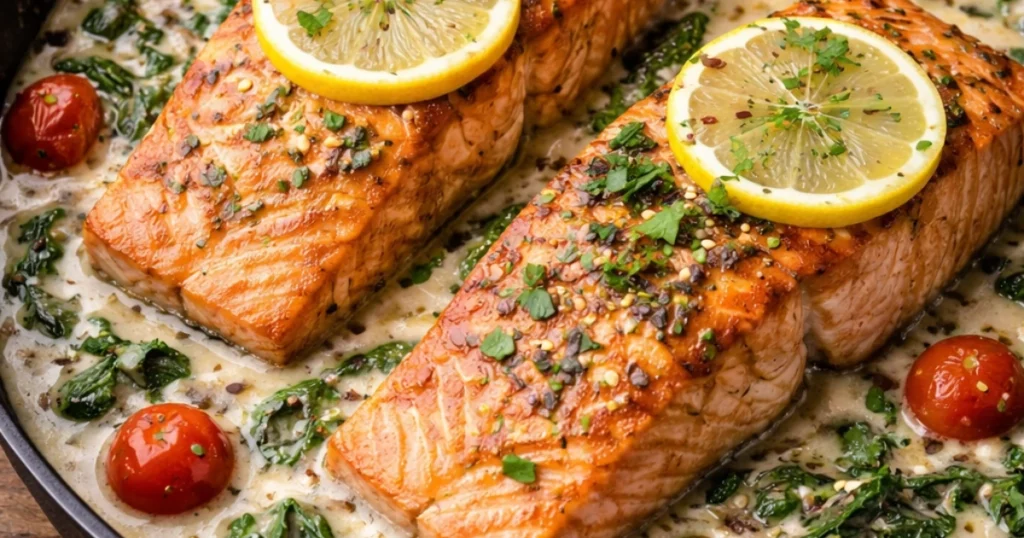
A blend built for brightness and freshness. The combination of lemon pepper (with its embedded zest oils) and dried dill is a Scandinavian-influenced classic that lets salmon’s natural flavor come forward. This seasoning shines on poached, baked, or gently pan-cooked fish.
2 tsplemon pepper seasoning
2 tspdried dill weed
1 tspgarlic granules
½ tsponion powder
½ tspdried tarragon
¼ tspwhite pepper
¼ tspsea salt (optional)
1 tspdried lemon zest
How to Use
Season both sides lightly and bake at 375°F for 13–15 minutes. Equally good on salmon prepared in parchment (en papillote) with a few thin lemon slices and a splash of white wine.
💡 For maximum freshness, use fresh dill (triple the quantity) and fresh lemon zest, mixing them just before cooking rather than storing in a jar.
4
Cajun Blackened Salmon Spice Mix
BoldSpicySmoky
This is the seasoning for people who want their salmon to have a real edge. Classic blackening technique calls for a cast-iron skillet screaming hot with butter — the spices carbonize on the outside while the fish steams within. The result is a genuinely dramatic contrast between the charred, spiced crust and the tender, sweet interior.
2 tspsmoked paprika
1 tspcayenne pepper
1 tspgarlic powder
1 tsponion powder
1 tspdried thyme
1 tspdried oregano
¾ tspsalt
½ tspwhite pepper
½ tspblack pepper
¼ tspground mustard
How to Use
Coat fillet generously with melted butter, then press spice mix firmly into both sides. Cook in a dry cast-iron skillet over very high heat — 2–3 minutes per side. Open windows; this creates significant smoke.
Reduce cayenne to ½ tsp for a milder version. Serve over rice with a spoonful of cool crème fraîche or avocado cream to offset the heat — the contrast is outstanding.
5
Miso & Ginger Dry Rub
UmamiSubtle Sweet
This blend bridges dry-rub convenience with the deep umami character of Japanese miso marination. Using dried white miso powder (available at most Asian grocery stores or online), it delivers that fermented, savory complexity without the need to marinate for hours. The ground ginger adds a warm, peppery undercurrent that makes this one genuinely addictive.
1 tbspwhite miso powder
1½ tspground ginger
1 tspgarlic granules
1 tspbrown sugar
½ tspsesame seeds, toasted
½ tspground white pepper
¼ tspfive-spice powder
¼ tspsea salt
How to Use
Apply 30 minutes before cooking if possible — the miso powder will begin to dissolve into the moisture of the fish and set a light crust. Bake at 400°F for 12 minutes or broil for a lacquered finish. Garnish with sliced scallions.
💡 If miso powder is unavailable, whisk 1 tbsp of white miso paste with a teaspoon of sesame oil and brush it directly on the fillet — it is not a dry blend but achieves a nearly identical flavor.
6
Mediterranean Za’atar Seasoning
HerbyEarthy
Za’atar — the Middle Eastern herb blend built around dried thyme, sumac, sesame, and oregano — is one of the most underused seasonings in the Western kitchen. Applied to salmon, its tart sumac notes cut brilliantly through the richness of the fish while the toasted sesame creates textural depth in the crust. This blend makes salmon feel genuinely new.
2 tspdried thyme
2 tspsumac powder
1 tspsesame seeds, toasted
1 tspdried oregano
½ tspgarlic granules
½ tspground coriander
½ tspsalt
¼ tspblack pepper
How to Use
Mix with 2 tablespoons of good olive oil to form a paste before applying. Bake at 400°F for 14 minutes. Serve over hummus or a white bean purée with a wedge of lemon — outstanding.
💡 Alternatively, use pre-made za’atar (most Middle Eastern grocery stores carry excellent versions) and supplement with a little extra garlic and a pinch of chili flakes for depth.
7
Everything Bagel Salmon Crust
SavorySeedy
Everything bagel seasoning has earned its cult status, and it turns out to be a near-perfect salmon seasoning. The combination of poppy seeds, sesame seeds, dried garlic, dried onion, and flaky sea salt creates a crunchy, aromatic crust that bakes into something extraordinary. It is also the easiest blend on this entire list to make.
1 tbspsesame seeds (mix of black & white)
1½ tsppoppy seeds
1½ tspdried minced garlic
1½ tspdried minced onion
1 tspflaky sea salt (Maldon or similar)
½ tspcoarse black pepper
How to Use
Brush fillet with a thin layer of Dijon mustard or cream cheese first — this acts as a “glue” for the seeds. Press the seasoning mix onto the flesh side. Bake at 400°F for 14–16 minutes until the seeds are golden and fragrant.
💡 If you already have a jar of store-bought everything bagel seasoning, just use that — the goal is the flavor, not the from-scratch credit. Serve with a schmear of cream cheese and cucumber for a brunch-worthy presentation.
8
Honey Mustard & Tarragon Rub
Sweet-TangyFrench-Inspired
This is a semi-wet rub that sits between a traditional seasoning and a glaze. The dried honey powder and ground mustard seed create a caramelizing base while tarragon — salmon’s best herbal companion in classical French cooking — provides an elegant, faintly anise-like character that transforms a simple baked fillet into something restaurant-quality.
1 tbsphoney powder (or 1 tsp brown sugar)
1½ tspground mustard seed
1½ tspdried tarragon
1 tspgarlic granules
½ tspdried thyme
½ tspwhite pepper
½ tspsalt
¼ tspground turmeric (color & depth)
How to Use
Blend with 1 tablespoon of whole-grain Dijon mustard and 1 teaspoon of olive oil to form a spreadable paste. Apply thickly to the flesh side. Bake at 390°F for 14 minutes. Do not disturb the crust while cooking.
💡 This glaze is also spectacular on salmon that will be served cold — it sets beautifully as it cools and makes extraordinary salmon sandwiches the next day.
9
Chili Lime Fiesta Blend
SpicyCitrusVibrant
Built for summer grilling and taco nights, this blend draws on Mexican flavor profiles — dried chipotle, chili powder, lime zest, and cumin — to create something punchy, bright, and deeply satisfying. It works equally well on tacos, grain bowls, and as a straight baked fillet alongside fresh guacamole.
2 tspchili powder
1 tspdried lime zest
1 tspground cumin
1 tspsmoked chipotle powder
1 tspgarlic powder
½ tsponion powder
½ tspsalt
¼ tspcayenne pepper
¼ tspdried coriander leaf
How to Use
Season the fillet generously and squeeze fresh lime juice over the top before cooking. Grill over high heat 4–5 minutes per side, or cook in a very hot skillet. Flake into warm tortillas with shredded cabbage, lime crema, and pico de gallo.
💡 Add 1 tablespoon of fresh lime zest directly to the fillet right before serving (not stored in the blend) for maximum citrus brightness — dried zest in storage loses its volatile oils quickly.
10
Nordic Dill, Caper & Fennel Blend
NordicDelicateElegant
Salmon has deep roots in Nordic cuisine, and this blend pays homage to those traditions. Dried dill, ground fennel seed (which echoes the anise notes that complement salmon so naturally), dried caper powder, and a restrained touch of white pepper come together in something that is sophisticated without being complicated. The caper powder is the secret ingredient here — an unusual pantry item that delivers a briny, tangy depth no other spice can replicate.
2 tspdried dill weed
1 tspground fennel seed
1 tspcaper powder (or fine-ground dried capers)
1 tspgarlic granules
½ tspwhite pepper
½ tspdried lemon zest
½ tspsea salt, fine
¼ tspground caraway seed
How to Use
Apply a light, even coat and bake at 375°F for 14 minutes. Or cure it: apply the blend generously, wrap the fillet tightly in cling film, and refrigerate for 4–6 hours before cooking. The partial cure intensifies every flavor note.
To make caper powder at home, spread capers on a baking sheet and dry in a 200°F oven for 90 minutes. Let cool completely, then grind to a coarse powder. It keeps for months and works on almost everything.
Quick-Reference Comparison Chart
Use this table to find the right blend for your cooking method, heat preference, and occasion.
| # | Blend Name | Heat Level | Best Method | Best For |
|---|---|---|---|---|
| 1 | Garlic-Herb | Low | Pan-sear, Bake | Everyday dinners |
| 2 | Smoky BBQ Rub | Medium-High | Grill, Broil | Summer cookouts |
| 3 | Lemon Pepper Dill | None | Bake, Poach | Light, fresh meals |
| 4 | Cajun Blackened | High | Cast-iron | Bold flavor seekers |
| 5 | Miso Ginger | Low | Bake, Broil | Asian-inspired bowls |
| 6 | Za’atar | None | Bake, Roast | Mediterranean plates |
| 7 | Everything Bagel | None | Bake | Weekend brunch |
| 8 | Honey Mustard Tarragon | None | Bake | Dinner parties |
| 9 | Chili Lime | Medium | Grill, Skillet | Tacos, grain bowls |
| 10 | Nordic Dill & Fennel | None | Bake, Cure | Elegant occasions |
How to Apply Salmon Seasoning for Maximum Impact
Even the best seasoning blend can underperform if the application technique is careless. These steps take an extra two minutes and make a meaningful difference.
The 5-Step Application Method
- Pat the salmon dry with paper towels on all sides. Moisture creates steam during cooking and prevents crust formation.
- Bring to room temperature — let the fillet sit out for 15–20 minutes before cooking. Cold salmon placed directly in a hot pan cooks unevenly and toughens at the edges.
- Apply a thin binder — a light brush of olive oil, melted butter, or Dijon mustard helps the seasoning adhere and brown more evenly.
- Press, don’t just sprinkle — use clean fingers to press the seasoning into the flesh. This creates contact between spice and fish that mere sprinkling cannot achieve.
- Let it rest 5–10 minutes after seasoning before cooking. The salt draws a little moisture to the surface, which then re-absorbs, carrying seasoning flavor deeper into the fish.
How to Store Your Homemade Blends
All of these blends (except those incorporating fresh ingredients like lime zest) store excellently and actually improve slightly during the first week as flavors meld and integrate.
Container Choice
Small glass jars with tight-fitting lids are ideal. Avoid plastic, which can absorb flavors and oils from spices over time.
Temperature
Store away from the stove. Heat and humidity degrade spices rapidly. A cool, dark cabinet or pantry shelf is ideal.
Shelf Life
Most blends stay at peak quality for 3 months. They remain usable for up to 6 months, though aromatic intensity fades.
Label Everything
Write the blend name and mixing date on a piece of tape. You will thank yourself in three months when the jars all look identical.
Frequently Asked Questions
What is the best all-purpose salmon seasoning?
The Classic Garlic-Herb blend (Recipe #1) is the most versatile — it works on every cooking method, suits every palate, and goes with virtually any side dish. It is the one to make first if you are building a spice collection for salmon.
How long should you season salmon before cooking?
For dry rubs, applying the seasoning 10–30 minutes before cooking allows the salt to do its work without drying out the surface. For blends containing significant sugar (like the BBQ rub), keep the pre-seasoning window shorter — no more than 15 minutes — to prevent the sugar from drawing too much moisture out of the fish.
Can I use these seasonings on frozen salmon?
Yes, but thaw the salmon fully and pat it very dry before applying. Frozen salmon, even when thawed, retains more surface moisture than fresh, which can prevent proper crust formation and dilute the seasoning’s flavor.
Do these seasonings work in an air fryer?
Absolutely — the air fryer is actually excellent for seasoned salmon. The circulating hot air helps the spices set into a light crust quickly. Use 390°F for 8–10 minutes depending on fillet thickness. The BBQ rub and Everything Bagel blend are particularly good in the air fryer.
How much seasoning should I use per fillet?
A standard 6-ounce salmon fillet should receive about ½ to 1 teaspoon of seasoning blend, applied to both sides. This provides good coverage without overwhelming the natural flavor of the fish. Season more generously when using the fish in tacos or bowls where other strong flavors are present.
Can I use these blends on other fish?
Yes. Most of these blends work wonderfully on other fatty, firm-fleshed fish like trout, arctic char, and sablefish. The lighter blends (Lemon-Dill, Za’atar, Nordic) also work well on halibut and sea bass. The Cajun Blackened blend works on virtually any firm fish.
Hungry for More From-Scratch Flavor?
Our spice blend guides cover everything from dry rub rib seasoning to homemade curry powder — all original, all tested.Browse All Spice & Seasoning Guides →
Note: All recipes and content in this post are 100% original. Ingredient proportions are based on original testing and are intended as starting points — adjust to your taste. This post does not constitute dietary or medical advice.