
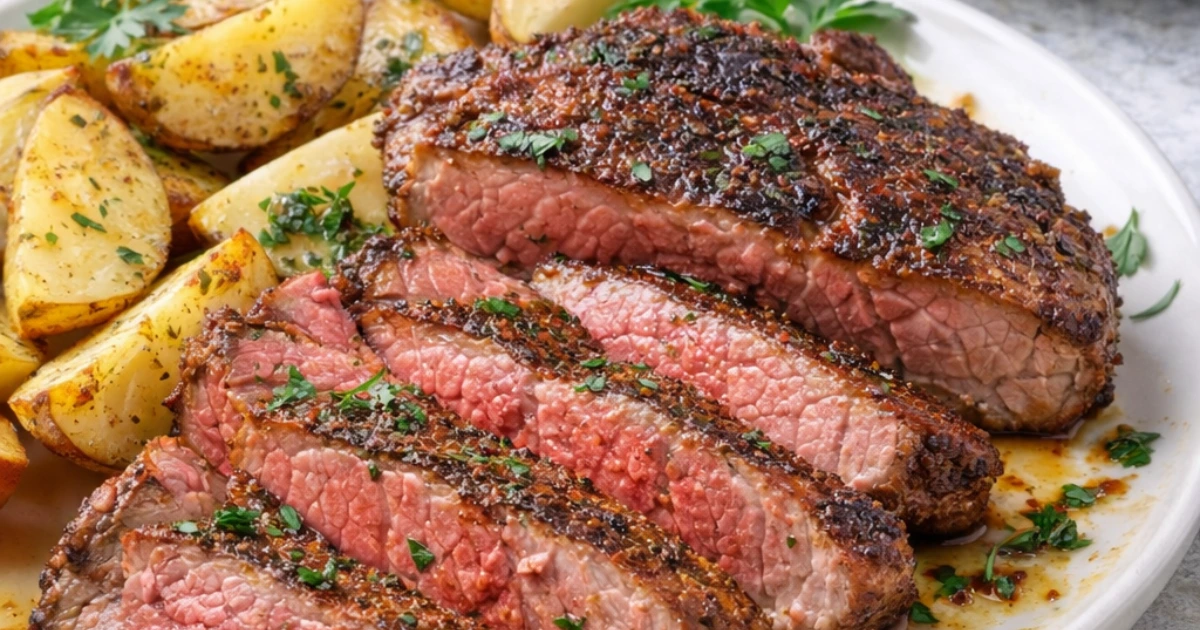

Chuck Eye SteakThere is a steak sitting in the butcher case that most people walk past without a second glance. It costs half what a ribeye does, shares the same muscle group, and — cooked correctly — delivers a bowl of beefiness that few cuts can match. That steak is the chuck eye, and this guide is entirely dedicated to doing it justice.
The chuck eye is cut from the fifth rib of the chuck primal — directly adjacent to where the ribeye is cut. Because only two chuck eye steaks come from each side of beef, they are relatively scarce, which keeps the price modest and the demand low among shoppers who simply do not know what they are. That is your advantage.
What follows are eight original recipes — tested, refined, and written to work in real kitchens, with real equipment, for people who care about getting it right. Whether you have fifteen minutes on a Tuesday or an entire Saturday afternoon in front of a smoker, there is a chuck eye recipe here for you.
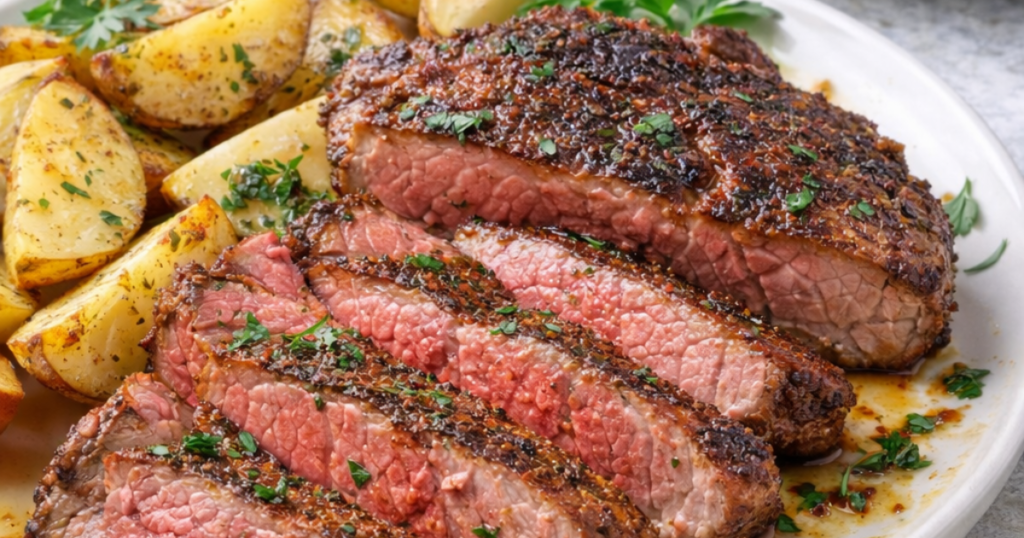
What Is Chuck Eye Steak?
The chuck eye comes from the chuck primal — the shoulder section of the cow, which runs from the neck down through the fifth rib. This is a heavily used muscle group, which means the meat develops significant intramuscular fat and robust, complex flavor. It also means the connective tissue can be tougher than a ribeye if the steak is treated carelessly.
The key anatomical fact: the longissimus dorsi muscle (the same muscle that produces ribeye steaks) extends just barely into the chuck primal. The first two chuck eye steaks from each side of the animal contain this muscle and its accompanying marbling and tenderness. The deeper chuck steaks — sometimes also sold as “chuck eye” — have more connective tissue and benefit more from braising than high-heat cooking.
Also Called
“Poor man’s ribeye,” chuck delmonico, boneless chuck eye, chuck roll steak
Location
5th rib of the chuck primal, directly adjacent to the ribeye section
Price Range
Typically $5–$8 per pound vs. $14–$22 for ribeye — same neighborhood, half the cost
Best Methods
High-heat sear, reverse sear, cast iron, grill, braise, sous vide, slow-cook
Chuck Eye vs. Ribeye: An Honest Comparison
The “poor man’s ribeye” nickname is accurate in the best possible way. These two cuts share genetic DNA — literally the same muscle — but diverge in a few meaningful ways that matter when you are deciding how to cook.
| Factor | Chuck Eye Steak | Ribeye |
|---|---|---|
| Flavor | Very beefy, deep, slightly more mineral | Rich, buttery, slightly more refined |
| Tenderness | Good to very good — varies by source position | Consistently excellent |
| Marbling | Moderate to good, with connective tissue seams | High, even distribution throughout |
| Price | $5–$8 / lb average | $14–$22 / lb average |
| Availability | Only 2 per side of beef — sometimes limited | 7 per side — widely available |
| Cook Forgiveness | Benefits from marinade or tenderizing technique | Forgiving at most doneness levels |
| Best Doneness | Medium-rare to medium (130–140°F) | Rare to medium (125–135°F) |
The honest truth: side-by-side at the table, a perfectly cooked chuck eye is something most people cannot confidently distinguish from a ribeye. The flavor profile is marginally different — chuckier, earthier — but in a way many steak lovers prefer. The texure gap narrows dramatically when you use the right technique.
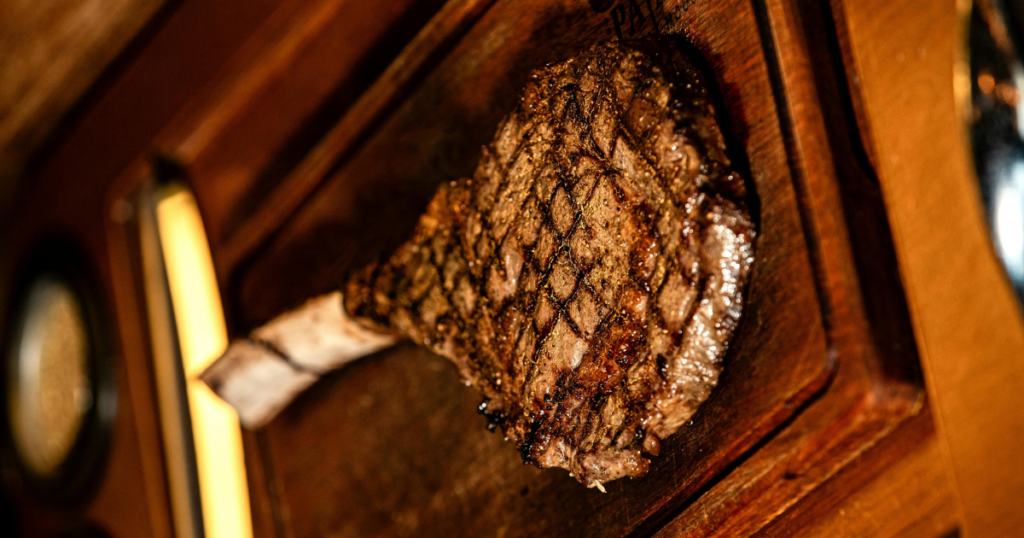
How to Buy Chuck Eye Steak (and What to Avoid)
The single most important thing you can do to guarantee a great chuck eye experience happens before any heat is applied. Here is what to look for at the butcher counter or grocery store:
Buying Checklist
- Thickness matters: Look for steaks cut at least 1 inch thick — ideally 1¼ to 1½ inches. Thin chuck eye steaks overcook before a proper crust forms.
- Color: Bright cherry-red to deep burgundy. Avoid brown or gray-tinged edges — signs of age or poor display conditions.
- Marbling: Look for visible white fat streaks running through the meat. A chuck eye with good marbling will self-baste during cooking.
- Ask the butcher directly: Specify you want the chuck eye steaks cut from the fifth-rib end — the ones closest to the ribeye. Most butchers know exactly what this means and respect the request.
- USDA Grade: Choice or Prime grade chuck eye is worth the modest premium. Select grade can work but benefits more from wet marinating.
- Avoid pre-tenderized or “blade-tenderized” cuts for high-heat cooking — the puncture marks can drive bacteria deeper into the meat.
Internal Temperature Guide for Chuck Eye Steak
Chuck eye performs best between medium-rare and medium. The fat and connective tissue in the muscle benefit from enough heat to begin rendering, which medium-rare does not fully achieve. This is one way chuck eye genuinely differs from ribeye — a little more time on the heat is typically rewarded, not punished.
| Doneness | Pull Temp | Rest Temp | Texture |
|---|---|---|---|
| Rare | 115–120°F | 125°F | Very soft, cool center — not ideal for chuck eye |
| Medium-Rare | 125–128°F | 130–135°F | Warm pink center, tender — minimum recommended |
| Medium | 132–136°F | 140–145°F | Pink throughout, fat rendering — sweet spot for chuck eye |
| Medium-Well | 143–148°F | 150–155°F | Faint pink, firm — acceptable with marinade |
| Well Done | 155°F+ | 160°F+ | Gray throughout — not recommended |
Always rest chuck eye for at least 5 minutes after cooking. Carryover cooking will raise the internal temperature 5–8°F during rest. Pull early, tent loosely with foil, and let the juices redistribute before slicing.
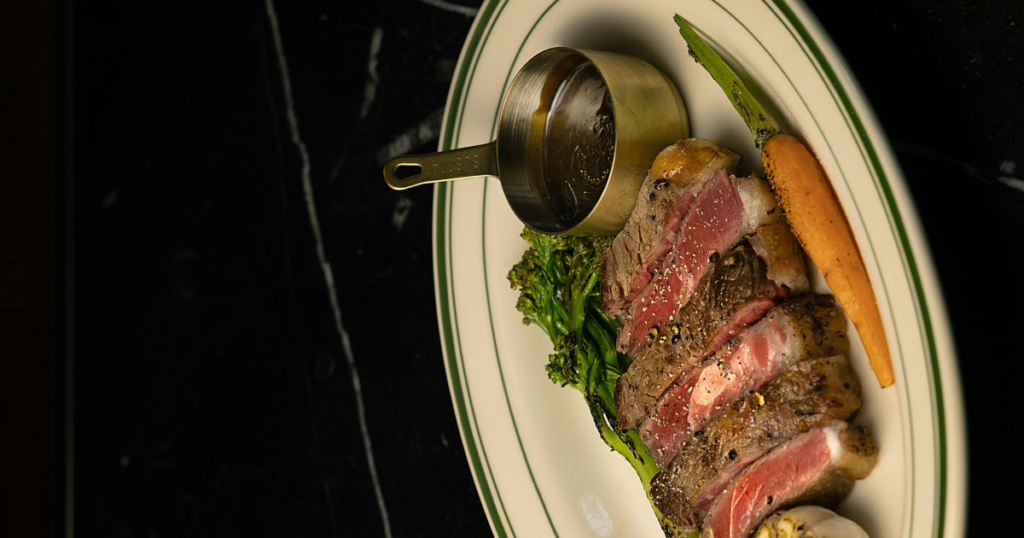
8 Original Chuck Eye Steak Recipes
01
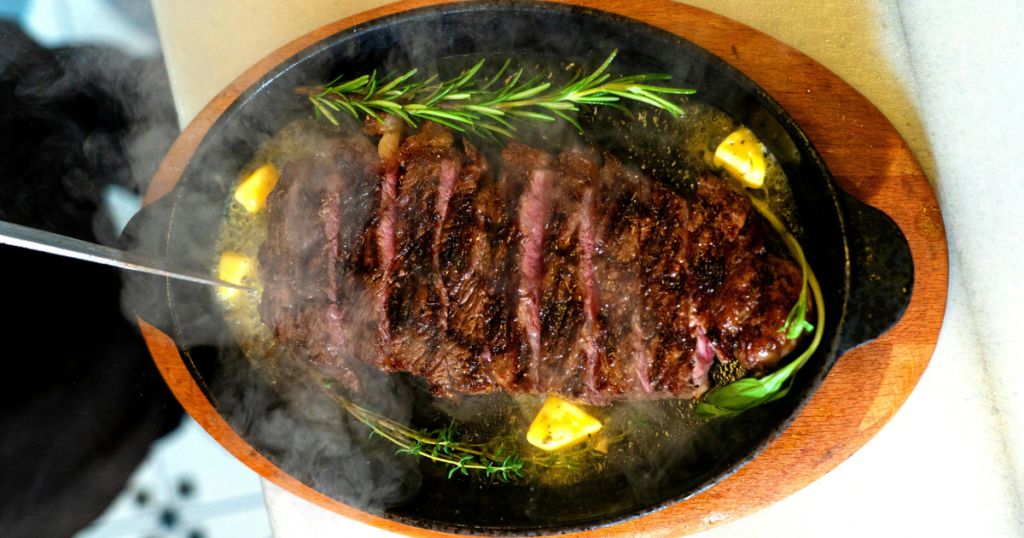
The Classic Cast-Iron Sear with Garlic Butter Baste
Prep:5 min Cook:10–12 min Serves:2Beginner
This is the recipe you cook on a random Tuesday when you want something that feels earned. A screaming-hot cast-iron pan, plenty of butter, whole garlic cloves, and a handful of fresh thyme. The result is a deeply crusted, impossibly flavorful steak that belies its grocery-store price tag.
INGREDIENTS
- 2chuck eye steaks, 1¼” thick
- 1½ tspkosher salt
- 1 tspcoarse black pepper
- 1 tbspneutral oil (avocado or grapeseed)
- 3 tbspunsalted butter
- 4 clovesgarlic, lightly crushed
- 4 sprigsfresh thyme
- 1 sprigfresh rosemary
METHOD
- Season steaks generously with salt and pepper 45 minutes before cooking. Place on a wire rack uncovered in the fridge — the surface will dry slightly, promoting crust formation.
- Heat cast-iron skillet over high heat for 3–4 minutes until it just begins to smoke. Add oil and swirl to coat.
- Place steaks in pan and do not touch for 3 minutes. Flip once — cook another 2 minutes on the second side.
- Reduce heat to medium. Add butter, garlic, thyme, and rosemary. As butter foams, tilt the pan and spoon hot butter continuously over the steak for 2 minutes.
- Check internal temp — pull at 128°F for medium-rare, 133°F for medium. Transfer to a cutting board and rest 6 minutes before slicing against the grain.
The basting step is not optional — it is where chuck eye becomes extraordinary. The butter picks up the garlic and herb flavor and continuously deposits it onto the searing crust. Do not rush this step. Tilt the pan aggressively and baste rapidly.
Serve with: roasted potatoescreamed spinachred wine jus
02
Reverse-Seared Chuck Eye with Compound Herb Butter
Prep:10 min Cook:45–55 min Serves:2Intermediate
The reverse sear is arguably the best technique ever developed for thick steaks. Low, slow oven heat brings the interior to perfect temperature edge-to-edge, then a blistering cast-iron sear finishes the exterior. The result is a crust that rivals any steakhouse and an interior with zero gray band.
INGREDIENTS
- 2chuck eye steaks, 1½” thick
- 1½ tspkosher salt
- 1 tspblack pepper
- ½ tspgarlic powder
- 4 tbspsoftened butter
- 1 tbspfresh parsley, minced
- 1 tspfresh tarragon, minced
- 1 clovegarlic, microplaned
- ½ tsplemon zest
METHOD
- Make compound butter: mix softened butter with parsley, tarragon, garlic, and lemon zest. Roll in cling film into a log and refrigerate until firm.
- Season steaks and place on a wire rack set in a sheet pan. Refrigerate uncovered overnight, or minimum 1 hour.
- Preheat oven to 250°F. Place sheet pan in oven. Cook until internal temp reaches 115°F for medium-rare target, 120°F for medium — approximately 35–45 minutes.
- Remove steaks and rest 10 minutes. Meanwhile, heat cast-iron to maximum heat with oil.
- Sear each steak 60–90 seconds per side — this is the final browning only. The interior is already done.
- Top each steak with a generous slice of compound butter immediately off the heat. Rest 3 minutes, serve.
The overnight dry-brine is worth every minute of planning. Salt penetrates the meat, seasons from within, and draws out then reabsorbs surface moisture — the surface becomes so dry before searing that you will get an extraordinary crust in under 2 minutes of contact with the pan.
03
Overnight Soy-Ginger Marinated Chuck Eye
Marinade:8–24 hrs Cook:10 min Serves:3–4Easy
A marinade d oes two things for chuck eye that nothing else achieves: it begins tenderizing the surface connective tissue, and it builds a secondary flavor profile that caramelizes into something extraordinary on a hot grill. This soy-ginger version is inspired by Korean galbi — deeply savory, with just enough sweetness to char beautifully.
INGREDIENTS
- 2 lbschuck eye steaks
- ¼ cupsoy sauce
- 2 tbspbrown sugar
- 2 tbspsesame oil
- 1 tbsprice wine vinegar
- 4 clovesgarlic, grated
- 1 tbspfresh ginger, microplaned
- 2 tbspneutral oil
- 1 tspchili flakes
- 2scallions, finely sliced
METHOD
- Whisk together all marinade ingredients. Place steaks in a zip-lock bag or airtight container and pour marinade over. Massage thoroughly. Refrigerate 8–24 hours.
- Remove steaks 30 minutes before cooking. Pat excess marinade from the surface — a damp steak steams instead of searing.
- Heat grill to high (or cast-iron to smoking). Cook steaks 3–4 minutes per side for medium, or until internal temp reaches 135°F.
- The sugars in the marinade will char at the edges — this is intentional and delicious. Watch carefully to prevent burning.
- Rest 5 minutes. Slice thinly against the grain and garnish with toasted sesame seeds and the sliced scallions.
Slicing this steak against the grain into thin strips before serving transforms even slightly tougher portions into something that reads as perfectly tender. This is the same approach used for skirt and flank steak — mechanics of cutting can change the perceived texture as significantly as cooking method.
Serve with: steamed ricebok choypickled cucumber04Red Wine Braised Chuck Eye with Roasted Garlic Polenta Prep:20 min Cook:2.5–3 hrs Serves:4IntermediateWhen chuck eye is treated to a long, low braise in red wine, it undergoes a transformation. The connective tissue converts to silky gelatin, the braising liquid reduces to a glossy, intensely flavored sauce, and the meat becomes fall-apart tender. This is cold-weather cooking at its most satisfying.INGREDIENTS2 lbschuck eye steaks (or thick-cut)1½ cupsdry red wine (Cabernet or Syrah)1 cupbeef stock1onion, roughly chopped3carrots, cut in chunks4 clovesgarlic, whole2 sprigsfresh thyme1bay leaf1 tbsptomato paste2 tbspolive oilSalt & pepperto seasonMETHODPreheat oven to 300°F. Season steaks heavily with salt and pepper. Heat oil in a Dutch oven over high heat.Sear steaks 3 minutes per side until deeply browned. Remove and set aside. Reduce heat to medium.Sauté onion and carrots 4 minutes. Add garlic and tomato paste — cook 1 minute until paste darkens slightly.Pour in wine, scraping all browned bits from the bottom. Add stock, thyme, and bay leaf. Return steaks to pot — liquid should reach halfway up the meat.Cover and braise in oven 2.5–3 hours until fork-tender. Remove meat, strain braising liquid, and reduce over medium heat until slightly syrupy.Serve over roasted garlic polenta, spooning reduced sauce generously over the top. Use a wine you would actually drink — it does not need to be expensive, but should taste good on its own. Cheap “cooking wine” produces flat, thin-tasting braises. A $12 bottle of Cabernet transforms the sauce into something you will want to pour over everything on the plate.05Smoked Chuck Eye Steak with Coffee-Ancho Rub Prep:15 min + overnight Cook:2–3 hrs Serves:2–3AdvancedLow-and-slow smoking turns chuck eye into something between a steak and a brisket — a bark-crusted exterior with a smoke-permeated, deeply flavored interior. The coffee-ancho rub creates a complex, slightly bitter, smoky shell that plays magnificently against the richness of the beef fat.RUB INGREDIENTS1 tbspfinely ground espresso1 tbspancho chili powder1 tbspbrown sugar1 tspsmoked paprika1 tspgarlic powder1 tspkosher salt½ tspblack pepper, coarse¼ tspcayenne¼ tspground cinnamonMETHODCombine all rub ingredients. Apply generously to all surfaces of the steak. Wrap and refrigerate overnight.Bring smoker to 225°F using cherry or post oak wood. These woods complement beef without overpowering it.Place steak on the smoker and cook until internal temp reaches 130°F — approximately 90 minutes to 2.5 hours depending on thickness.Optional finishing sear: transfer steak to screaming-hot grill grates or cast iron for 60 seconds per side to develop a crust on the bark.Rest 8 minutes before slicing. Serve with chimichurri or a simple horseradish cream to cut the richness. The coffee in the rub does not make the steak taste like coffee — it creates an additional layer of roasted, bitter complexity in the bark that mirrors the Maillard reaction flavors of a hard sear. Do not skip it, and do not substitute instant coffee. Ground espresso only.06Chuck Eye Steak Tacos with Chipotle Crema Prep:20 min + 2 hr marinade Cook:12 min Serves:4–6EasyChuck eye’s assertive, beefy character is actually an asset in tacos — it holds up against the bold flavors of chipotle, lime, and fresh toppings better than more delicate cuts. Slice thin after cooking and this becomes one of the most satisfying taco nights you will ever have at a fraction of the cost of restaurant carne asada.INGREDIENTS1.5 lbschuck eye steak2chipotles in adobo + 1 tbsp sauce3 clovesgarlic2 tbsplime juice + zest of 1 lime1 tbspolive oil1 tspcumin½ cupsour cream1 tspadobo sauce (for crema)Small corn tortillas, cilantro, onionto serveMETHODBlend chipotles, garlic, lime juice, zest, oil, and cumin into a smooth marinade. Coat steak thoroughly and marinate 2 hours minimum, 6 hours optimal.Make chipotle crema: stir 1 tsp adobo sauce into sour cream with a pinch of salt. Refrigerate until serving.Grill or sear steak over very high heat — 4 minutes per side for medium. The marinade will char at the edges; this char is essential to the flavor.Rest steak 5 minutes, then slice as thinly as possible against the grain — aim for ⅛-inch slices.Warm tortillas on the grill. Build tacos: steak, chipotle crema, white onion, cilantro, fresh lime squeeze. Nothing else needed The thin slicing is non-negotiable here. Against-the-grain thin slicing shortens the muscle fibers, making the meat mechanically tender in a way that no marinade or cooking technique can fully replicate on its own. A sharp knife and a patient hand make this dish.07Chuck Eye Philly Cheesesteak Prep:15 min + 30 min freeze Cook:15 min Serves:2EasyChuck eye’s flavor depth and moderate fat content make it quietly ideal for a cheesesteak. The key is freezing the steak briefly so you can shave it wafer-thin — those paper-thin slices cook in seconds on a hot griddle and produce a tender, juicy result that classic ribeye cheesesteaks charge three times as much for.INGREDIENTS1 lbchuck eye steak1large onion, thinly sliced1green bell pepper, thinly sliced4 slicesprovolone cheese2hoagie rolls, split2 tbspbutterSalt, pepper, garlic powderto seasonOptionalmushrooms, banana peppersMETHODPlace steak in the freezer for 25–30 minutes — firm but not fully frozen. Slice as thinly as possible (⅛ inch or thinner) against the grain using your sharpest knife.Heat a large cast-iron or griddle over high heat. Add 1 tbsp butter and cook onion and pepper 8–10 minutes until softened and slightly caramelized. Push to the side.Add remaining butter to the hot surface. Spread shaved steak in a thin layer, season with salt, pepper, and garlic powder. Cook 1–2 minutes — do not overcrowd.Chop and mix steak with the cooked vegetables directly on the griddle. Divide into two portions, lay provolone slices directly on top, and cover 30 seconds to melt.Scoop onto toasted hoagie rolls. Serve immediately.Toast the inside of the hoagie rolls on the buttered griddle before loading them — 60 seconds cut-side down until golden. This single step prevents sogginess and adds a structural and flavor layer that elevates the sandwich considerably.08Sous Vide Chuck Eye with Béarnaise Sauce Prep:20 min Cook:2–4 hrs sous vide + 3 min sear Serves:2AdvancedSous vide is arguably the single best technique for chuck eye. The extended low-temperature cook gently dissolves collagen without drying the meat, and the precise temperature control means a perfectly even medium-rare from edge to edge — every time, with no guesswork. Paired with a house-made béarnaise, this is the chuck eye recipe that will convert skeptics.INGREDIENTS2chuck eye steaks, 1¼” thick2 sprigsthyme2 clovesgarlic, smashed1 tbspbutter (for bag)Salt & pepperto season— BÉARNAISE —3egg yolks½ cupclarified butter, warm2 tbsptarragon vinegar reduction2 tbspfresh tarragon, choppedMETHODSet sous vide bath to 130°F for medium-rare or 135°F for medium. Season steaks, add to vacuum bags with thyme, garlic, and a small pat of butter. Seal and submerge.Cook for 2 hours minimum, up to 4 hours. Chuck eye benefits from the longer cook — 3 to 3.5 hours is the sweet spot for tenderizing collagen without compromising texture.Make béarnaise: reduce white wine and tarragon vinegar with shallot by half. Strain. Whisk yolks over a double boiler until ribbon-stage. Drizzle in warm clarified butter slowly while whisking. Season with salt, white pepper, and fresh tarragon.Remove steaks from bag and pat aggressively dry. Sear in screaming-hot cast iron 60–90 seconds per side — crust only, interior is already done.Serve immediately with béarnaise, crispy frites, and watercress.The drying step after sous vide is critical. The bag produces a wet surface that will steam rather than sear. Pat with multiple layers of paper towel, let the steak air-dry on a rack for 2 minutes, and then sear in the hottest pan you can safely achieve. The difference between a good crust and a great one comes down to surface dryness.Serve with: béarnaisecrispy friteswatercress saladAll 8 Recipes at a Glance#RecipeCook MethodTimeDifficultyBest For1Cast-Iron Garlic ButterStovetop15 minEasyWeeknight dinner2Reverse Sear + Herb ButterOven + Cast-Iron55 minMediumWeekend showstopper3Soy-Ginger MarinadeGrill / Pan10 min + overnightEasyAsian-inspired feast4Red Wine BraiseDutch oven / Oven3 hrsMediumCold weather comfort5Smoked Coffee-AnchoSmoker2–3 hrsAdvancedBackyard BBQ6Chipotle TacoGrill / Pan12 min + marinadeEasyTaco night7Philly CheesesteakGriddle / Cast-Iron15 minEasyLunch or quick dinner8Sous Vide + BéarnaiseSous vide + Pan3–4 hrsAdvancedSpecial occasionsUniversal Chuck Eye Mastery Tips Rules That Apply to Every RecipeAlways slice against the grain. Find the direction of the muscle fibers and cut perpendicular to them. This single habit changes the perceived tenderness more than almost any other technique.Season earlier than you think. For thick steaks, salt applied 45 minutes to 24 hours before cooking draws out then reabsorbs moisture, seasoning the meat throughout rather than just on the surface.Use a meat thermometer. Guessing by touch works for ribeye. Chuck eye has enough variation that a $15 instant-read thermometer earns its cost back on the first steak you do not overcook.Let the pan get truly hot before adding the steak. A properly preheated cast-iron forms a crust in 3 minutes. An underheated pan produces steaming and grey meat. This mistake is irreversible once made.Rest every time, without exception. A chuck eye steak cut immediately loses 40% more juice than one rested 6 minutes. Cover loosely — not tightly — with foil and use this time to finish your sides.Frequently Asked QuestionsIs Chuck Eye Steak Actually as Good as Ribeye?Cooked correctly, a chuck eye from the fifth-rib end is genuinely close to ribeye in eating quality. The flavor is arguably deeper and more mineral. The texture can be slightly more variable, and the connective tissue seams require either good technique (reverse sear, sous vide) or mechanical intervention (slicing against grain, tenderizing) to manage. For informed cooks willing to apply slightly more care, the value comparison is remarkable.Should I Marinate Chuck Eye Steak?It depends on the cooking method and the specific cut. First-cut chuck eye steaks (from the fifth rib) are tender enough to cook without marinating using high-heat methods. Deeper chuck eye cuts benefit significantly from acid-based marinades that begin breaking down connective tissue. When in doubt, a 2-hour marinade never hurts and often helps.What Is the Best Way to Cook Chuck Eye Steak for Beginners?Recipe #1 — the cast-iron garlic butter sear — is the starting point for beginners. It requires no special equipment, no marinating, and is done in under 15 minutes. Once you have nailed that, the reverse sear is the next logical step. Both techniques transfer directly to cooking any steak.How Long Should I Cook Chuck Eye Steak?For a 1¼-inch steak over high heat: approximately 3 minutes per side for medium-rare, 4 minutes per side for medium. Always cook to temperature rather than time — a thermometer reading of 128–133°F (before rest) is your target. Thickness, pan temperature, and starting meat temperature all affect cooking time significantly.Can Chuck Eye Steak Be Used for Slow Cooking?Absolutely — and it is one of its best uses. Recipe #4 demonstrates this. The same connective tissue that requires technique management in high-heat cooking becomes an asset in low-and-slow applications: it converts to gelatin, enriching the braising liquid and producing a silky, deeply flavored sauce that leaner cuts cannot create.How Do I Know If I’m Getting True Chuck Eye Steak?Ask your butcher specifically for a chuck eye steak from the fifth-rib end of the chuck, cut boneless. Visually, it should resemble a small ribeye with visible marbling and possibly a connective tissue seam running through it. Some stores label multiple chuck cuts as “chuck eye” — the position in the primal matters, and a knowledgeable butcher will understand the distinction.MORE CUTS. MORE FIRE. MORE FLAVOR.Our complete beef cut library covers everything from humble hanger steak to whole brisket — all original guides, all tested recipes.EXPLORE ALL BEEF GUIDES →Disclosure: All recipes and content are 100% original and independently developed. Internal temperatures follow USDA safe minimum