
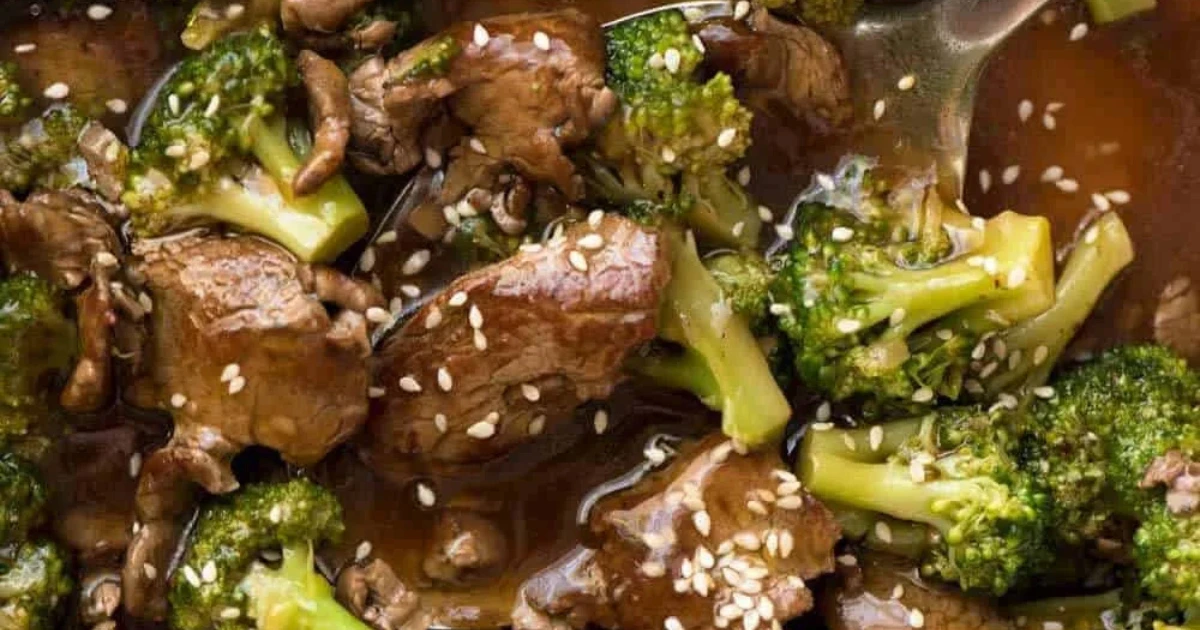
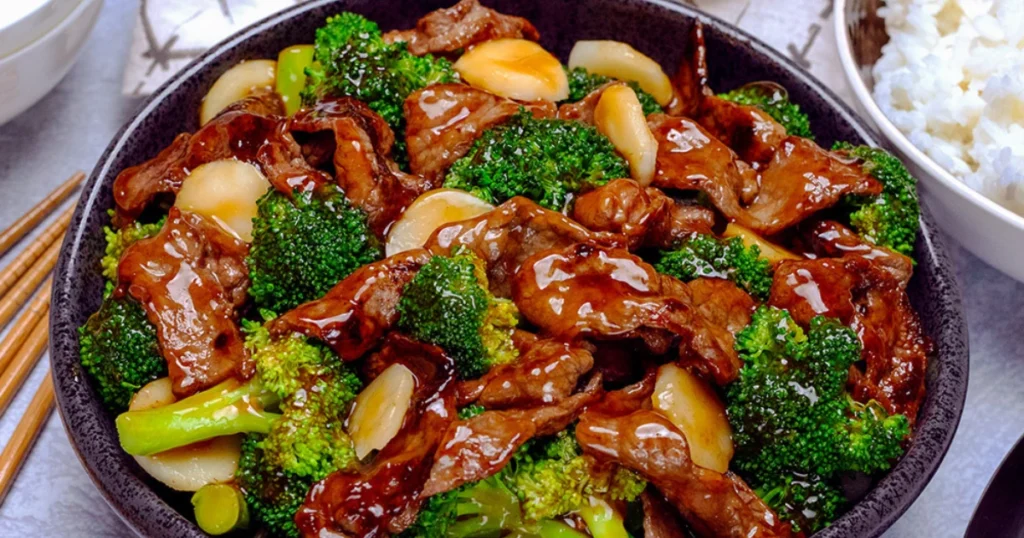
If there’s one takeout dish almost everyone has a soft spot for, it’s beef and broccoli. That glossy, deep brown sauce clinging to tender slices of beef and bright green broccoli florets — it’s the kind of food that feels simultaneously comforting and craveable. The good news? You don’t need to call for delivery to get it. Once you understand the technique behind it, homemade beef and broccoli is not only faster than waiting for takeout, it’s genuinely better.
This recipe has been developed and tested to nail three things that most versions get wrong: beef that’s actually tender (not chewy), broccoli that stays vibrant and slightly crisp (not grey and soggy), and a sauce with real depth and balance (not just salty soy and cornstarch). There are a few easy techniques involved — velveting the beef, building the sauce properly, getting the wok hot enough — and this guide walks through all of them in detail so you can get it right every single time.
Why This Beef and Broccoli Recipe Works
Before we get into the recipe itself, it helps to understand what makes a great beef and broccoli rather than a merely acceptable one. Restaurant versions — both at Chinese-American takeout spots and at more traditional Chinese restaurants — rely on a few key techniques that most home cooks either don’t know about or skip in the interest of convenience. This recipe doesn’t skip them, because they’re the difference between “fine” and “wow.”
Velveting the beef. This is the single most impactful technique in the whole recipe. Velveting involves briefly marinating the beef in a mixture that includes baking soda (or egg white and cornstarch), which tenderises the meat at a molecular level and gives it that characteristically silky, almost luxurious texture you get at a good Chinese restaurant. It takes five extra minutes and makes a world of difference.
A properly built sauce. The sauce in this recipe layers flavours — oyster sauce for umami and sweetness, dark soy for depth and colour, fresh ginger and garlic for aromatics, a touch of sesame oil for fragrance, and a small amount of sugar to balance the salt. Cornstarch thickens everything into that glossy, coating consistency. Each ingredient plays a specific role.
High heat and working fast. Stir frying is a high-heat, quick-cook technique. A screaming-hot pan or wok ensures the beef sears rather than steams (critical for flavour), and that the broccoli gets a little colour while retaining its crunch. Don’t be afraid of high heat — it’s your friend here.
Ingredients for Beef and Broccoli
This recipe serves 3–4 people as a main with steamed rice.
For the Beef Marinade (Velvet)
- 500g (1.1 lbs) flank steak, skirt steak, or sirloin, thinly sliced against the grain
- 1 tsp baking soda
- 2 tbsp water
- 1 tbsp cornstarch (cornflour)
- 1 tbsp soy sauce
- 1 tsp sesame oil
- ½ tsp white pepper
For the Sauce
- 3 tbsp oyster sauce
- 2 tbsp low-sodium soy sauce
- 1 tbsp dark soy sauce (for colour and depth)
- 1 tbsp Shaoxing rice wine (or dry sherry)
- 1 tsp sesame oil
- 1 tsp caster sugar (or brown sugar)
- ½ tsp white pepper
- 2 tsp cornstarch
- 120ml (½ cup) beef stock or water
For the Stir Fry
- 400g (14 oz) broccoli, cut into medium florets (about 1 medium head)
- 3 tbsp neutral cooking oil (vegetable, canola, or peanut oil), divided
- 4 cloves garlic, finely minced
- 1 tbsp fresh ginger, finely grated or minced
- 2–3 spring onions (scallions), thinly sliced, for garnish
- 1 tsp toasted sesame seeds, for garnish (optional)
Step-by-Step Instructions
Step 1: Velvet the Beef (5 minutes active + 20–30 minutes rest)
Slice the beef thinly — around 3–4mm (⅛ inch) — against the grain. Cutting against the grain shortens the muscle fibres and is essential for tender results. If your beef is difficult to slice thinly at room temperature, pop it in the freezer for 20–30 minutes first; partially frozen beef firms up beautifully and makes clean, even slices much easier.
In a bowl, combine the baking soda and water, stir to dissolve, then add the beef and toss to coat. Add the cornstarch, soy sauce, sesame oil, and white pepper and mix well until everything is evenly distributed. Let the beef marinate for at least 20 minutes at room temperature, or up to 30 minutes. Do not marinate for longer than 30 minutes with baking soda — the texture can become unpleasantly mushy.
Step 2: Mix the Sauce
While the beef marinates, combine all the sauce ingredients — oyster sauce, both soy sauces, Shaoxing wine, sesame oil, sugar, white pepper, cornstarch, and beef stock — in a small bowl or measuring jug. Whisk until the cornstarch is fully dissolved and the sugar is incorporated. Set aside. Having the sauce pre-mixed and within arm’s reach before you start cooking is important; stir frying moves quickly and there’s no time to measure ingredients once the wok is hot.
Step 3: Blanch the Broccoli
Bring a pot of lightly salted water to a boil. Add the broccoli florets and blanch for exactly 90 seconds — no longer. You want the broccoli to turn vivid, jewel-bright green and lose its raw edge while retaining serious crunch. Drain immediately and either plunge into ice water to stop the cooking or spread on a tray in a single layer and allow to steam-dry. Pat dry before adding to the wok. Dry broccoli fries; wet broccoli steams. You want the former.
Step 4: Sear the Beef
Heat a wok or large heavy skillet over the highest heat your stove can produce. When the pan is smoking hot — and it really should be smoking — add 2 tablespoons of the cooking oil and swirl to coat. Add the beef in a single layer, working in two batches if needed. Do not stir immediately; let it sear undisturbed for 60–90 seconds until a crust develops on the bottom. Then toss briefly and cook for another 30–45 seconds. The beef should be just barely cooked through and nicely browned in spots. Remove to a plate and set aside. It will finish cooking when it goes back into the sauce.
Avoid the temptation to crowd the pan. Too much beef at once drops the pan temperature and the meat steams instead of sears, which means no browning and a much less flavourful result. Two batches takes an extra three minutes and the difference is significant.
Step 5: Cook the Aromatics
Add the remaining tablespoon of oil to the same wok over high heat. Add the minced garlic and ginger and stir fry for exactly 30 seconds — no longer. Garlic burns fast at high heat and burned garlic will make the whole dish bitter. Stir constantly and keep it moving.
Step 6: Bring it All Together
Add the blanched broccoli to the wok and toss for 30 seconds with the aromatics. Give the sauce mixture a quick stir (the cornstarch will have settled to the bottom), then pour it into the wok. It will immediately begin to bubble and thicken — stir quickly to coat everything evenly. Return the seared beef and any resting juices from the plate to the wok. Toss everything together for 60–90 seconds until the sauce is glossy, clings to the beef and broccoli, and has reached your desired consistency. If it looks too thick, add a splash of water or stock. If it’s too thin, keep tossing over high heat for another 30 seconds.
Step 7: Plate and Garnish
Transfer to a serving dish or directly onto individual plates over steamed jasmine rice. Scatter sliced spring onions and toasted sesame seeds over the top. Serve immediately — stir fries do not hold well and are best eaten the moment they come off the heat.
The Best Cut of Beef for Beef and Broccoli
Cut choice matters more than most people realise in a stir fry. You’re cooking at very high heat for a very short time, so you need a cut that responds well to that treatment — and that slices cleanly against the grain for maximum tenderness.
Flank steak is the top recommendation. It has a clear grain direction that makes slicing against it easy and reliable, good beefy flavour, and responds beautifully to velveting. It can be slightly chewy if sliced with the grain, so pay attention to the direction of the muscle fibres.
Skirt steak is slightly more flavourful and marbled than flank, though it has a coarser grain. Slice it very thinly against the grain and it delivers exceptional results in a stir fry.
Sirloin is a reliable, widely available option that’s naturally more tender than the above two. It’s slightly pricier but requires less attention to grain direction. A good choice if you’re newer to stir frying.
Ribeye is the luxury option — well-marbled, rich, and incredibly tender. Slightly more expensive than necessary for an everyday stir fry, but undeniably excellent.
What to avoid: Chuck, round, and brisket are braising cuts that require long cooking times to become tender. High-heat stir frying will leave them tough and chewy, even with velveting.
Understanding the Beef and Broccoli Sauce
The sauce is the soul of this dish, and understanding what each ingredient does helps you adjust it confidently to your own taste:
Oyster sauce is the backbone — thick, sweet-savoury, and deeply umami. It provides the characteristic flavour most people associate with Chinese-American stir fry dishes. There isn’t a good substitute that delivers the same result, so it’s worth having a bottle in the pantry. It keeps for months in the fridge after opening.
Regular (light) soy sauce adds saltiness and umami. Using low-sodium soy gives you more control over the final salt level.
Dark soy sauce is thicker, less salty, and slightly molasses-sweet. It’s primarily used for colour — it’s what gives the sauce that deep, restaurant-style brown tone rather than a pale, washed-out appearance. It’s optional but highly recommended.
Shaoxing rice wine is a Chinese cooking wine that adds a complex, slightly nutty flavour to the sauce and helps tenderise the meat. Dry sherry is the best substitute. Avoid replacing it with sake or mirin, which have significantly different flavour profiles.
Sesame oil is added in small amounts for its fragrant, toasty aroma. It’s a finishing flavour, not a cooking oil — don’t use it as the base fat for frying, as it burns easily and its delicate aromatics are destroyed by high heat.
Cornstarch in the sauce creates that glossy, coating consistency that makes the dish look and feel restaurant-quality. The key is mixing it into the cold liquid before cooking so it dissolves evenly and doesn’t clump when it hits the hot wok.
Tips for the Best Results Every Time
Get the wok properly hot. If you have a gas stove, use your largest burner on maximum heat. If you’re cooking on electric or induction, use a large, heavy skillet (cast iron works well) and give it several minutes to preheat fully. A properly hot pan is the single biggest factor separating a great stir fry from a mediocre one.
Mise en place is essential. Have every ingredient prepped, measured, and within arm’s reach before you turn the heat on. The whole cooking process from first ingredient to finished dish takes about six minutes, and there’s no time to chop garlic or mix sauce once you’ve started.
Don’t skip the velveting. It seems like an extra step, and it is — but it’s five minutes that pays off enormously in texture. Velveted beef is noticeably, unmistakably more tender than beef that hasn’t been treated. Once you’ve tried it you won’t skip it again.
Dry everything thoroughly. Wet beef won’t sear. Wet broccoli won’t fry. Pat both dry before they go into the pan and you’ll get better colour and texture across the board.
Taste and adjust the sauce before serving. Everyone’s soy sauce is different, everyone’s oyster sauce is slightly different in saltiness and sweetness. Taste the finished dish and adjust — a little more sugar if it’s too salty, a small splash more soy if it needs more depth, a few drops of rice vinegar if it needs brightness.
Variations to Try
Spicy Beef and Broccoli. Add 1–2 teaspoons of chilli bean paste (doubanjiang) to the aromatics stage, or toss in a handful of dried red chillies with the garlic and ginger. A drizzle of chilli oil over the finished dish adds heat and fragrance without overwhelming the other flavours.
Beef, Broccoli, and Mushroom. Add 150g of sliced shiitake or oyster mushrooms to the wok after the aromatics and stir fry for 2 minutes before adding the broccoli. Mushrooms add an extra layer of umami and make the dish more substantial.
Lighter Sauce Version. Replace the oyster sauce with hoisin sauce and reduce the soy sauce by half, substituting the other half with a splash of fresh orange juice. The result is a brighter, slightly sweeter sauce with citrus top notes that’s a little less heavy than the classic version.
Gluten-Free Adaptation. Use tamari in place of regular soy sauce, gluten-free oyster sauce (widely available), and ensure your Shaoxing wine substitute is also gluten-free (dry sherry is generally safe, but check the label). The result is virtually identical to the original.
Chicken and Broccoli. Swap the beef for thinly sliced chicken breast or thigh. The velveting technique works equally well with chicken — just reduce the cooking time slightly as chicken cooks faster than beef. Everything else in the recipe stays the same.
What to Serve with Beef and Broccoli
Steamed jasmine rice is the classic and correct accompaniment — its clean, slightly floral flavour and sticky texture are the perfect vehicle for the rich, savoury sauce. Steamed white rice also works well. For a lower-carb option, cauliflower rice absorbs the sauce beautifully.
Egg fried rice turns the whole thing into a more substantial feast. Noodles — lo mein style or simply boiled and tossed with a little sesame oil — are another excellent option that makes the meal feel more complete.
As part of a wider spread, beef and broccoli pairs well with steamed dumplings, spring rolls, egg drop soup, or simple stir-fried bok choy with garlic. If you’re feeding a crowd, it sits comfortably alongside other stir-fry dishes like kung pao chicken or mapo tofu.
Make-Ahead and Storage Tips
Prep ahead: The sauce can be mixed and refrigerated up to 3 days in advance. The beef can be sliced and velveted up to 24 hours ahead — store it covered in the fridge after the marinade and bring it to room temperature for 15 minutes before cooking. The broccoli can be blanched and dried up to a day ahead. With all components prepped, the actual cooking takes under 10 minutes.
Leftovers: Store cooled leftovers in an airtight container in the fridge for up to 3 days. The broccoli will lose some of its crunch on reheating, but the flavour is still excellent. Reheat in a hot wok or skillet with a splash of water to loosen the sauce, rather than microwaving, which tends to make the beef rubbery.
Freezing: Not recommended for this dish. The texture of both the velveted beef and the broccoli degrades noticeably after freezing and thawing.
Beef and Broccoli Recipe FAQs
What is the secret to tender beef in a stir fry?
The secret is velveting — marinating the sliced beef in baking soda (and sometimes egg white and cornstarch) before cooking. The baking soda raises the pH of the meat’s surface, which inhibits the proteins from binding too tightly during cooking and results in a noticeably more tender, silky texture. Slicing thinly against the grain of the muscle is the other essential factor.
Can I use frozen broccoli?
You can, but the results won’t be as good. Frozen broccoli contains more moisture than fresh and tends to go soft and watery rather than staying crisp-tender. If using frozen, thaw completely, drain thoroughly, and pat very dry before cooking. Skip the blanching step — it’s already partially cooked. Fresh broccoli is strongly preferred for this dish.
What can I substitute for oyster sauce?
Oyster sauce has a fairly unique flavour that’s difficult to replicate exactly. In a pinch, hoisin sauce is the closest substitute — it’s sweeter and slightly less savoury, but delivers a similar thick, umami-forward result. Some people use a combination of soy sauce and a small amount of fish sauce, though the texture and colour of the final sauce will be different. Vegetarian oyster sauce (made from mushrooms) is an excellent option for vegetarians or those with shellfish allergies and is now widely available.
Why is my beef and broccoli sauce not thickening?
A few possible causes: the cornstarch wasn’t fully dissolved before the sauce went into the pan (always whisk it thoroughly in cold liquid), the pan wasn’t hot enough when the sauce was added, or there was too much liquid in the wok from wet ingredients. Ensure everything is properly dried before cooking, get the pan fully hot, and give the sauce 60–90 seconds of high-heat cooking while stirring constantly — it should thicken quickly.
Is beef and broccoli actually Chinese?
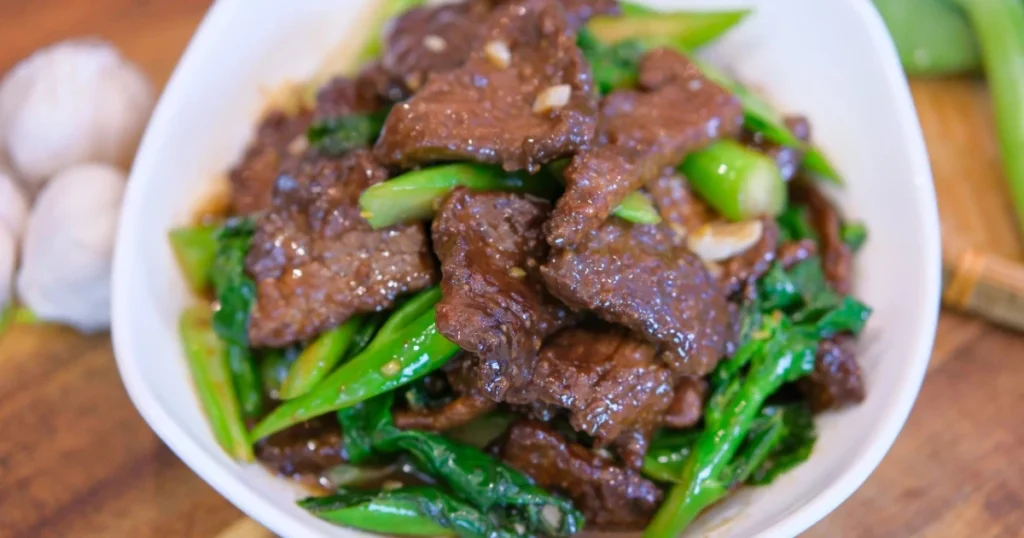
Beef and broccoli as most people know it is primarily a Chinese-American creation. Broccoli isn’t widely used in traditional Chinese cooking — gai lan (Chinese broccoli), a leafier, more bitter relative, is more common. The dish is thought to have originated in Chinese-American restaurants in the early-to-mid 20th century, adapting traditional Chinese stir-fry techniques to ingredients more familiar and available to American diners. In China, you’ll more commonly find beef stir-fried with gai lan or other leafy greens in a very similar sauce.
How do I stop the garlic from burning?
Keep stirring constantly and don’t leave the garlic in the pan alone for more than 30 seconds over high heat. If you’re nervous about burning, you can briefly reduce the heat while adding the garlic and ginger, then crank it back up when you add the broccoli. The other option is to add the garlic and ginger with a small splash of the sauce mixture, which lowers the temperature around them and prevents burning.
Recipe at a Glance
Prep time: 15 minutes (plus 20–30 minutes marinating) | Cook time: 10 minutes | Total time: ~45 minutes | Serves: 3–4
This beef and broccoli recipe is weeknight-friendly, endlessly adaptable, and genuinely better than most takeout versions once you’ve got the technique down. The velveting step takes a little patience the first time, but after that it becomes second nature — and you’ll find yourself applying it to every stir-fry you make from then on.
Give it a try this week and let us know how it turned out in the comments below. Did you try any of the variations? Have a favourite cut of beef you prefer for stir fry? We’d love to hear from you.