
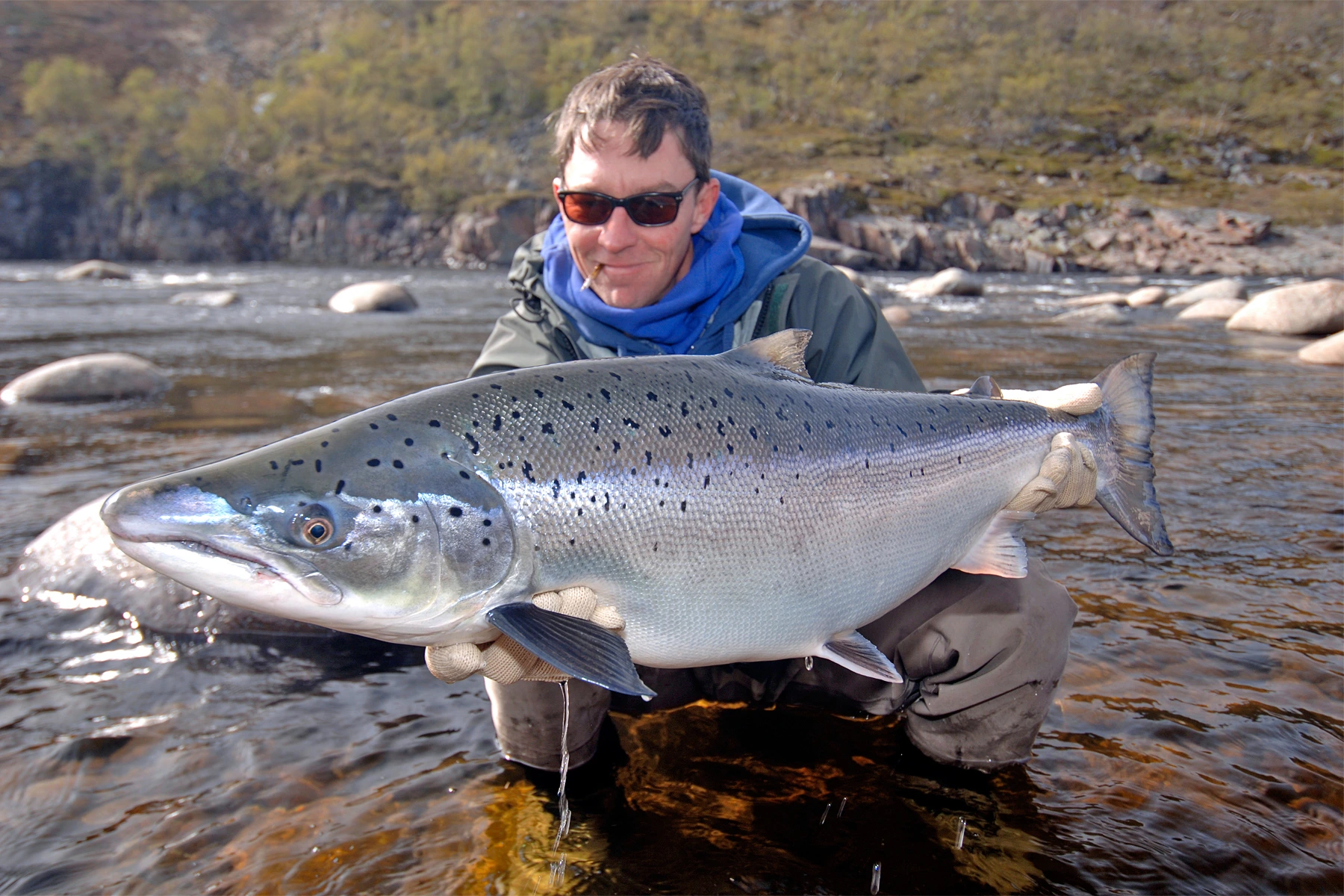
Catching Wild Salmon: The Ultimate Guide for Beginners and Seasoned Anglers
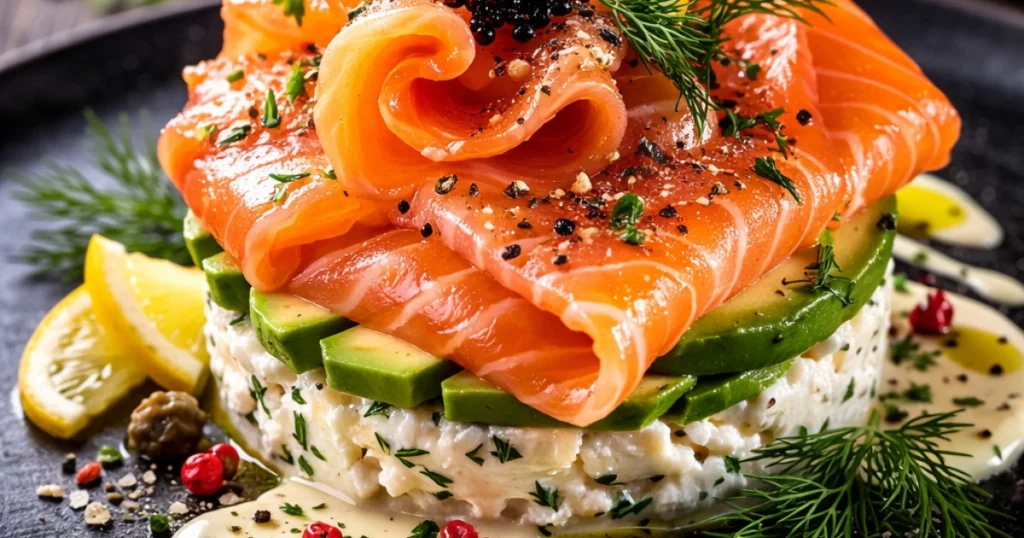
Catching Wild Salmon: Techniques, Tips & Best Locations | [YourSiteName
Ready to start catching wild salmon? Discover the best techniques, gear, seasons, and locations for salmon fishing — plus expert tips on handling your catch from river to table. Your complete guide starts here.
Introduction
There is something deeply primal and profoundly satisfying about catching wild salmon. Standing knee-deep in a rushing glacial river, rod bent double, heart hammering as a chrome-bright Chinook surges upstream — it’s the kind of experience that stays with you long after the fish is on the table. And that table part? Incomparable. Wild-caught salmon, cooked within hours of landing, is simply one of the finest meals nature offers.
But catching wild salmon isn’t something you stumble into successfully on your first trip without preparation. Salmon are powerful, seasonally driven, and surprisingly particular about where, when, and what they’ll bite. Whether you’re a complete beginner who just bought your first rod, or an experienced freshwater angler trying salmon fishing for the first time, this guide covers everything you need: the species, the seasons, the gear, the techniques, and what to do with your fish once it’s in your hands.
Understanding Wild Salmon: Know Your Species
Before you can catch wild salmon consistently, you need to know which species you’re targeting. Each has its own habitat preferences, run timing, behavior, and flavor profile — and what works for one may fall completely flat for another.
Pacific Salmon Species
Chinook (King) Salmon — Oncorhynchus tshawytscha The largest and most prized of all Pacific salmon, Chinook can exceed 100 pounds, though fish in the 20–40 lb range are more common. They’re the target of serious trophy hunters and are renowned for their high fat content and exceptional flavor. Chinook runs typically peak between May and July in most river systems, with some systems seeing fall runs through October.
Coho (Silver) Salmon — Oncorhynchus kisutch Coho are acrobatic fighters that routinely leap and cartwheel when hooked — a thrilling experience on light tackle. They’re smaller than Chinook (typically 8–12 lbs) but pound for pound one of the most exciting salmon to catch. Coho runs generally peak from August through November.
Sockeye (Red) Salmon — Oncorhynchus nerka Famous for their intensely red flesh and rich flavor, sockeye are notoriously difficult to catch on hook and line — they feed primarily on zooplankton in the ocean and are reluctant to strike conventional lures. Nonetheless, they’re intensely pursued during their June–August river runs using techniques like flossing and specialized presentations.
Pink (Humpy) Salmon — Oncorhynchus gorbuscha The most abundant Pacific salmon and the easiest to catch, pinks run on a strict two-year cycle and are available in enormous numbers in odd-numbered years across much of their range. Smaller (4–6 lbs average) but excellent eating when fresh, they’re a perfect species for beginner salmon anglers.
Chum (Dog) Salmon — Oncorhynchus keta Chum are underrated — large (10–20 lbs), powerful fighters that run from October through January in many Pacific coast rivers. Their flesh is less fatty than Chinook or Sockeye but excellent when smoked or prepared fresh.
Atlantic Salmon
Atlantic Salmon — Salmo salar Once extraordinarily abundant across rivers of the northeastern United States, Canada, Iceland, Norway, and the British Isles, wild Atlantic salmon are now a conservation priority and heavily regulated. In many jurisdictions they are catch-and-release only. Check local regulations carefully before targeting Atlantic salmon. In rivers where sport fishing is permitted, they are considered among the most technically demanding and rewarding fish to pursue on a fly rod.
When Is the Best Time for Catching Wild Salmon?
Timing is everything in salmon fishing. Salmon are anadromous — they’re born in freshwater, migrate to the ocean to grow and feed, then return to their natal rivers to spawn and die. That spawning migration, called a salmon run, is when they’re accessible to river anglers.
Key timing principles:
Follow the runs, not the calendar. Run timing varies by river system, latitude, and even year-to-year water temperature variations. A river in southern Oregon may see its Chinook peak in May, while a river in Alaska might not peak until July. Local fishing reports, state and provincial fisheries websites, and regional fishing forums are your best real-time resources.
Fish them fresh. Salmon stop feeding once they enter freshwater and begin their spawning migration. Their bodies are undergoing dramatic physiological changes — they’re running on stored fat and protein. The freshest fish are those that have just entered the river system from the ocean. These “chrome” fish (named for their bright silver ocean coloration) are the most vigorous fighters and the best eating. Fish that have been in the river for weeks develop darker coloration, softer flesh, and are considered lower quality on the table.
Early morning and late evening. Salmon are most active during low-light periods. Dawn and dusk often produce the most strikes, particularly during warm summer months when midday sun raises water temperatures and pushes fish into deeper, cooler lies.
Water temperature matters. Salmon prefer water temperatures between 50°F and 60°F (10°C–15°C). When temperatures rise above 68°F (20°C), salmon become stressed, less active, and more vulnerable to catch-and-release mortality. In warm summer conditions, consider fishing early morning only and releasing fish quickly.
Essential Gear for Catching Wild Salmon
You don’t need an overflowing tackle box to catch wild salmon, but you do need the right gear for the species and method you’re targeting.
Rods and Reels
Spinning setup (beginner-friendly):
- Rod: 8.5–10.5 ft medium-heavy power, moderate-fast action spinning rod
- Reel: 3000–5000 series spinning reel with a smooth, reliable drag system
- Line: 20–30 lb braided mainline with a 15–20 lb fluorocarbon leader
Baitcasting setup (more control, higher learning curve):
- Rod: 8–9 ft medium-heavy casting rod
- Reel: Low-profile baitcasting reel with at least 200 yards of line capacity
- Line: 30–50 lb braid with 20–25 lb fluorocarbon leader
Fly fishing setup:
- Rod: 7–9 weight, 9–14 ft single-handed or two-handed (Spey) rod depending on river width
- Reel: Large arbor fly reel with strong drag and at least 150 yards of backing
- Line: Weight-forward floating or sink-tip fly line matched to rod weight
Terminal Tackle Essentials
- Hooks: Size 2–4/0 octopus-style hooks for bait fishing; single barbless hooks required in many jurisdictions
- Weights: Split shot, pencil lead, and slinky drift weights for getting presentations down to the fish
- Swivels and snap swivels: Prevent line twist, especially when using spinning lures
- Leaders: 12–24 inch fluorocarbon leaders in 12–20 lb test
- Bobbers/floats: Drift floats or suspension floats for float fishing presentations
Lures and Bait
Hardware lures:
- Spinners (Blue Fox Vibrax, Mepps Aglia) in sizes 3–5 in silver, gold, or chartreuse
- Spoons (Little Cleo, Krocodile) in 3/4–1.5 oz weights
- Plugs (Kwikfish, Flatfish) for back-trolling in rivers
- Jigs (pink, white, chartreuse) for vertical presentations
Bait:
- Cured salmon eggs (roe) — arguably the most effective bait for river salmon
- Sand shrimp (ghost shrimp)
- Herring (whole, cut plug, or fillet) for tidewater and early-run fish
- Prawns
Fly patterns:
- Intruder-style streamers for Chinook and Steelhead
- Egg patterns (Glo-bugs) during spawning season
- Egg-sucking leech patterns
- Pink and white bunny leeches for coho
Salmon Fishing Techniques
Drift Fishing
Drift fishing is the most widely practiced river technique for salmon. The concept is simple: present your bait or lure naturally at the level where salmon are holding, drifting with the current at the same speed as the water.
How to drift fish:
- Identify a run or pool where salmon are likely holding — look for deeper water adjacent to faster current seams
- Position yourself upstream of the target zone
- Cast quartering upstream, mend your line to avoid drag, and let your offering drift naturally downstream
- Maintain a tight line and watch your rod tip for the subtle “tick” of a strike, or a full pull-down
- Set the hook with a firm sideways sweep (not a sky-hook vertical strike)
Best for: Chinook, coho, pink, chum salmon
Float Fishing
Float (bobber) fishing suspends your bait at a precise depth — ideal when you know exactly where in the water column fish are holding.
How to float fish:
- Set your float so your bait hangs 6–18 inches above the bottom
- Cast upstream and follow your float downstream with your rod tip
- Strike immediately when the float dips, hesitates, or moves unnaturally against the current
Float fishing excels in slower, deeper pools and is highly effective for presenting cured eggs at exact depth. It’s also visually exciting — watching a float disappear is electric.
Back-Trolling Plugs
Back-trolling is a boat-based technique in which the angler faces the current, uses the motor to hold position or slowly drift backward, and controls a diving plug on a short line behind the boat.
The plug’s diving action and side-to-side wobble triggers reaction strikes from holding salmon. It’s devastatingly effective for Chinook in large rivers and can be fished over the same section of water repeatedly until the fish are provoked into striking.
Key plugs: Kwikfish K14–K16, Flatfish T55, Brad’s Wigglers
Fly Fishing for Salmon
Fly fishing for salmon is the most technical and, to many anglers, the most rewarding method. The presentation requires reading the river, understanding salmon behavior, and repeatedly covering the water with a swinging fly.
The classic swing: Cast quartering downstream across the current. Allow the fly to swing across the river on a tight line as the current pulls it around, ending directly downstream of you. Take a step downstream and repeat. This systematic approach covers every lie in a run methodically.
Salmon in rivers generally aren’t feeding — they strike out of aggression, territorial instinct, or a memory of their ocean feeding behavior triggered by a convincing presentation. Patience and persistence are non-negotiable.
Trolling (Saltwater and Tidewater)
Before salmon enter river systems, they congregate in bays, estuaries, and nearshore ocean waters. Trolling — dragging lures or bait at controlled depths and speeds behind a boat — is the primary method for intercepting ocean-bright salmon.
Saltwater trolling basics:
- Speed: 2–4 knots depending on lure/bait type
- Depth: Use downriggers, diving planers, or weighted trolling sinkers to reach the fish
- Terminal: Flasher/dodger combos paired with cut-plug herring, hoochies, or spoons
- Electronics: A fishfinder is invaluable for locating bait schools and the salmon holding beneath them
Reading the River: Where Salmon Hold
Understanding where salmon position themselves in a river is perhaps the most valuable skill a salmon angler can develop. Salmon don’t distribute randomly throughout a river — they follow energy-efficient pathways and hold in specific types of water.
Prime salmon lies:
Current seams: The boundary between fast and slow water is a salmon highway. Fish hold just inside the slow water edge where they can rest while still positioned to move into or through the faster current.
Deep pools: Particularly in warmer weather, salmon stage in the deepest, coolest sections of a river. These pools are found at the outsides of river bends where erosion has cut the channel deep.
Tailouts: The gradually shallowing tail end of a pool where it transitions back to faster water is a prime ambush and holding spot, especially during low-light periods.
Behind large boulders: Big rocks create hydraulic shadows — pockets of slow, calm water directly upstream and downstream. Salmon regularly hold in these protected zones.
Near structure: Submerged logs, bridge pilings, and undercut banks all provide cover that salmon seek, particularly when pressured by fishing activity or predators.
Fishing Regulations and Licensing
Salmon fishing regulations exist to protect wild salmon populations, which in many regions are under significant conservation pressure from habitat loss, climate change, and historical overfishing.
Before you fish, always:
- Purchase the appropriate fishing license for the state, province, or country where you’re fishing. Licenses are typically available online through state and provincial fisheries agencies.
- Obtain required salmon endorsements or tags. In many jurisdictions, a general fishing license alone doesn’t authorize salmon retention — you’ll need an additional salmon stamp, tag, or punchcard.
- Know the current regulations for your specific river. Bag limits, size limits, gear restrictions (barbless hooks only, no bait allowed, fly fishing only), and open/closed seasons vary dramatically by river, species, and year. Regulations can change annually — always check the current year’s rulebook.
- Report your catch. Many salmon fisheries require anglers to report catches, either via punch cards returned at season’s end, online reporting portals, or on-the-spot reporting apps.
Sustainable fishing principles:
- Practice careful catch and release for wild fish when legally permitted retention would deplete a struggling run
- Minimize fight time — a tired salmon is a vulnerable salmon
- Keep fish in the water during hook removal whenever possible
- Use barbless hooks to allow quick, clean releases
From River to Table: Handling Your Wild Salmon
A wild salmon is a precious thing. Handling it correctly from the moment it’s landed to the moment it hits your pan makes the difference between a transcendent meal and a disappointing one.
Immediately After Landing
Dispatch quickly and humanely. A firm rap on the top of the head with a priest (a small weighted club) or a rock renders the fish immediately unconscious. This is both humane and improves flesh quality — a fish that struggles for a long time before dying undergoes lactic acid buildup that affects flavor and texture.
Bleed immediately. Cut through both gill arches, then place the fish headfirst in cold water for 5–10 minutes. Bleeding removes blood from the flesh, resulting in a cleaner, milder flavor and better color.
Chill immediately. Wild salmon begins to deteriorate the moment it dies. Pack the body cavity with ice as soon as possible. A dedicated fish bag or cooler with abundant crushed ice is non-negotiable gear for a salmon fishing trip.
Cleaning and Processing
Field dress (gut) your salmon as soon as practical — ideally within an hour of landing. Remove the guts, kidneys (the dark strip along the backbone), and gills. Rinse the cavity thoroughly with cold water. Keep chilled on ice.
For longer storage:
- Refrigerator: Cleaned salmon on ice in the fridge keeps for 2–3 days
- Vacuum sealed and frozen: Wild salmon holds beautifully for up to 12 months when vacuum-sealed and frozen at 0°F (-18°C)
- Smoking: Cold-smoked or hot-smoked salmon made from a fresh-caught fish is extraordinary and will keep for weeks refrigerated or months frozen
Best Locations for Catching Wild Salmon in North America
Pacific Northwest — USA: The Columbia River system, Oregon’s Rogue and Umpqua rivers, Washington’s Hoh and Quinault rivers, and California’s Klamath and Trinity rivers are iconic salmon destinations. The Columbia River alone hosts multiple species across multiple runs spanning spring through fall.
Alaska: Alaska is the salmon fishing capital of the world. The Kenai River, Copper River, Susitna drainage, Bristol Bay watersheds, and the Kodiak Island road system all offer world-class fisheries for all five Pacific salmon species. For many anglers, an Alaskan salmon trip is a bucket-list experience.
British Columbia, Canada: BC’s Fraser River system, Dean River (legendary for wild Chinook on fly), Skeena and Bulkley rivers, and Vancouver Island’s Stamp and Campbell rivers offer exceptional wild salmon fishing in spectacular wilderness settings.
Great Lakes Region: Chinook and coho salmon were introduced to the Great Lakes beginning in the 1960s and now sustain massive self-reproducing populations. Rivers along Lake Michigan, Lake Ontario, and Lake Superior see substantial fall salmon runs that attract anglers from across the region.
Iceland and Norway: For Atlantic salmon, Iceland and Norway offer some of the last truly wild, high-quality Atlantic salmon river fishing remaining in the world. Both destinations offer exceptional fishing — and exceptional costs.
Frequently Asked Questions
Q: Do I need a boat to catch wild salmon? No — bank and wading fishing is effective and often preferred on many river systems. A boat provides access to more water and enables trolling techniques, but many of the most productive salmon techniques (drift fishing, float fishing, fly fishing) are done entirely on foot.
Q: What is the best bait for catching wild salmon in rivers? Cured salmon eggs (roe) are widely considered the single most effective river bait for most salmon species. Sand shrimp are a strong second choice. For artificial options, pink and chartreuse jigs, spinners, and drift bobbers are proven producers.
Q: How strong is a wild salmon? Wild salmon are remarkably powerful for their size. A fresh-from-the-ocean Chinook salmon can make multiple long, unstoppable runs and fight for 20–45 minutes on appropriate tackle. Even smaller coho and pink salmon are acrobatic and spirited fighters that will test light gear thoroughly.
Q: Is wild-caught salmon better than farmed? From a culinary perspective, fresh wild-caught salmon — particularly species like Sockeye, Chinook, and Coho — is widely considered superior in flavor complexity and texture compared to farmed Atlantic salmon. Wild salmon have lower fat levels overall but with more nuanced flavor developed through their natural diet and active lifestyle.
Q: Can I catch salmon from shore in the ocean? Yes — surf and pier fishing for salmon is possible in certain locations, particularly where salmon congregate near river mouths and estuaries before entering freshwater. Spinning lures, cut bait, and anchovies rigged on sliding sinker rigs all produce salmon from shore in appropriate locations.
The Bottom Line
Catching wild salmon rewards preparation, patience, and persistence in equal measure. No other fish combines the physical drama of the fight, the wild beauty of its environment, and the extraordinary payoff at the table quite like a wild salmon. Whether you’re wading a misty Pacific Northwest river at dawn or trolling a glacially fed Alaskan bay, every moment of the pursuit is its own reward — and the meal at the end of it is unforgettable.
Start with the right species for your region and season, match your gear and technique to the water, respect the regulations and the resource, and handle your catch with care. Do those things, and wild salmon fishing may become the most rewarding outdoor pursuit of your life.