
Meta Description
Discover how to make authentic chicken tinga at home with this detailed recipe guide. Learn traditional techniques, ingredient substitutions, and serving ideas for this beloved Mexican comfort dish.
Introduction
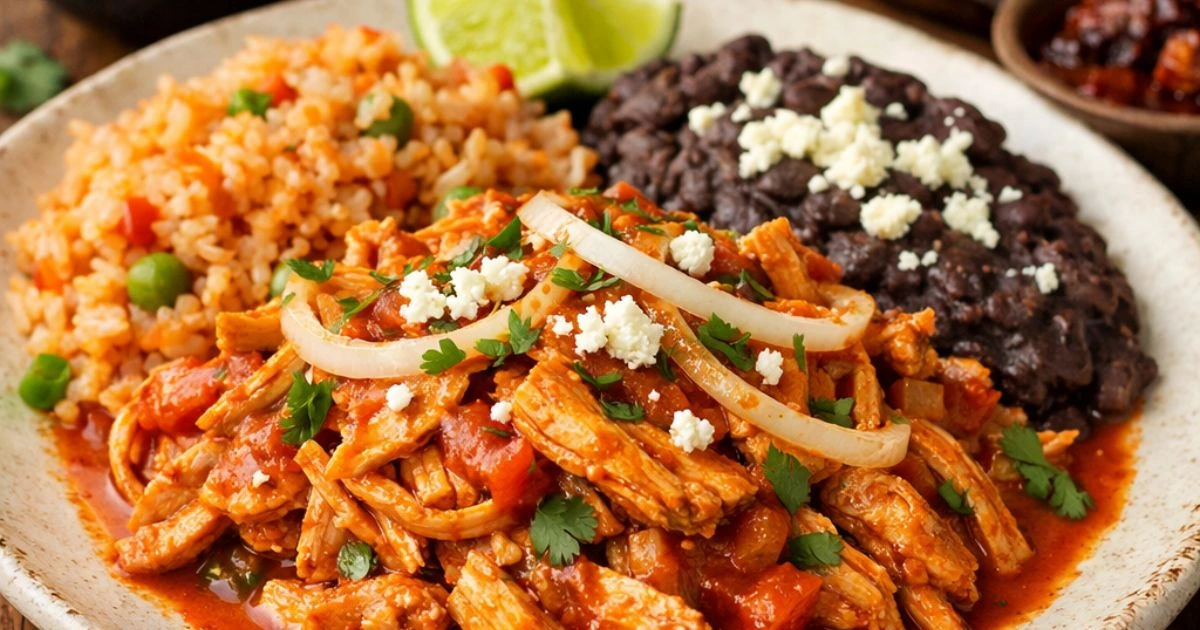
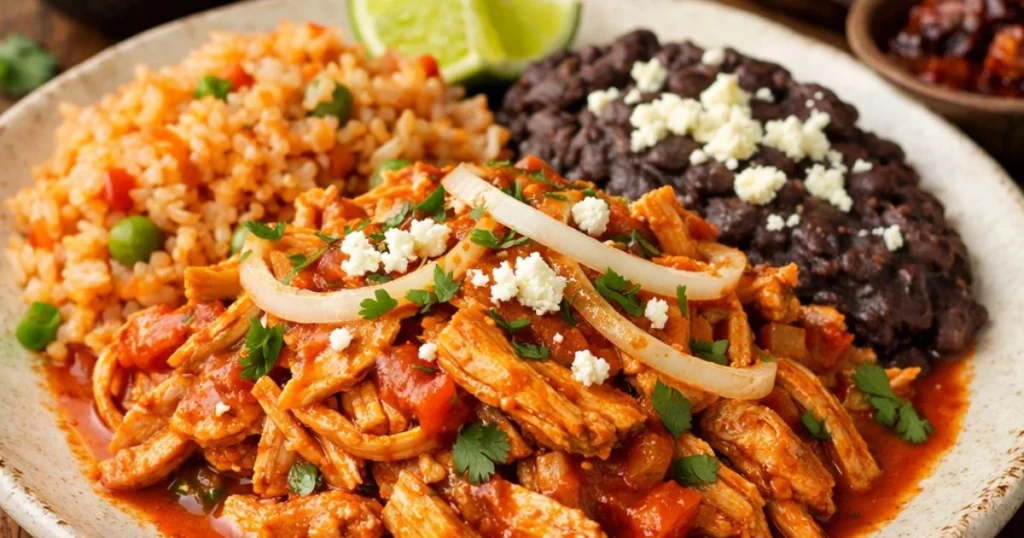
Chicken tinga—or tinga de pollo—is one of Mexico’s most versatile and flavor-packed dishes that deserves a permanent spot in your weeknight rotation. This smoky, slightly sweet, and deeply savory preparation transforms simple chicken breasts into tender, mouthwatering shreds that work beautifully in tacos, tostadas, enchiladas, or served over rice.
Unlike some Mexican recipes that require hours of simmering, chicken tinga comes together in roughly 30 minutes, making it perfect for busy home cooks who don’t want to sacrifice flavor for convenience. The magic lies in the combination of chipotle peppers, tomatoes, onions, and a few pantry staples that create layers of complex taste.
In this guide, we’ll walk you through everything you need to know about making restaurant-quality chicken tinga in your own kitchen, including ingredient sourcing tips, technique modifications for different skill levels, and creative serving suggestions beyond the traditional applications.
What Exactly Is Chicken Tinga?
Chicken tinga originates from Puebla, Mexico, where it’s been a regional favorite for generations. The word “tinga” itself refers to a cooking technique where meat is shredded and combined with a rich sauce made primarily from chipotle peppers in adobo sauce.
The dish represents the perfect intersection of smoke, spice, and tenderness. The chipotle peppers provide a distinctive smoky heat that’s immediately recognizable, while the tomato base adds brightness and acidity to balance the smokiness. What makes tinga particularly special is how the shredded chicken absorbs these flavors completely, ensuring every bite is saturated with taste rather than just sauced on top.
You’ll find chicken tinga served throughout Mexico in various contexts—from casual street food stalls offering tinga tostadas to upscale restaurants featuring it as part of traditional tasting menus. Its adaptability has also made it increasingly popular in North American home kitchens, particularly among those exploring authentic Mexican cuisine.
Essential Ingredients for Chicken Tinga
Before diving into the cooking process, let’s examine each ingredient and explain its role in creating authentic chicken tinga flavor.
Primary Protein
- Chicken breasts (2 lbs): While thighs add more moisture, breasts work well and cook faster. Pound them to even thickness before cooking for uniform doneness.
The Flavor Foundation
- Chipotle peppers in adobo sauce (3-4 whole peppers): These smoked jalapeños in tomato-based sauce are the signature ingredient. Don’t skip them or substitute with regular jalapeños—the smokiness is irreplaceable.
- Canned crushed tomatoes (14 oz): Provides body and acidity. San Marzano varieties offer superior flavor if you have access.
- Onion (1 large): Diced finely, contributes sweetness and texture.
- Garlic cloves (4): Minced fresh garlic deepens the overall flavor profile.
Finishing Elements
- Olive oil (2 tablespoons): Use quality oil; it’s tasted directly in the sauce.
- Chicken broth (1 cup): Helps create a saucier consistency and prevents drying out.
- Lime juice (1 tablespoon): Brightens flavors and cuts through the richness of the chipotle.
- Sea salt and freshly ground black pepper: To taste.
- Optional: fresh cilantro and avocado: For garnishing finished dishes.
Step-by-Step Instructions for Perfect Chicken Tinga
Step 1: Prepare and Cook the Chicken (8 minutes)
Begin by placing your chicken breasts on a cutting board. If they’re thicker than ¾ inch, gently pound them with the flat side of a meat mallet until they reach uniform thickness. This ensures even cooking and prevents dry edges while the center finishes cooking.
Season both sides generously with salt and freshly ground black pepper. In a large skillet, heat 1 tablespoon of olive oil over medium-high heat until it shimmers—roughly 1-2 minutes. Carefully place the seasoned chicken breasts in the hot pan; you should hear an immediate sizzle.
Cook the chicken undisturbed for 5-6 minutes until the bottom develops a golden-brown crust. Flip and cook for another 5-6 minutes until the internal temperature reaches 165°F (74°C) when measured with an instant-read thermometer inserted into the thickest part.
The chicken doesn’t need to be fully cooked through at this stage—we’ll finish cooking it in the sauce. Once it’s seared, transfer it to a clean plate and set aside.
Step 2: Build the Aromatic Base (4 minutes)
In the same skillet with the rendered chicken fat and oil, add your diced onion. Sauté over medium heat for 2-3 minutes, stirring frequently, until the onion becomes translucent and fragrant. You’re looking for softness without browning.
Add your minced garlic and cook for just 30 seconds, stirring constantly. This brief cooking time prevents the garlic from burning while allowing its flavor to bloom and infuse the oil.
Step 3: Create the Sauce (3 minutes)
Reduce heat to medium. Add the chipotle peppers and adobo sauce directly to the skillet. If your peppers are particularly large, chop them roughly before adding. Stir well, coating the onions and garlic with the sauce, and cook for 1-2 minutes to allow the flavors to meld.
Pour in the crushed tomatoes, scraping any browned bits from the pan bottom—these caramelized bits add tremendous depth to your final sauce. Add the chicken broth and stir until everything is well combined.
Step 4: Simmer and Shred (12-15 minutes)
Return the seared chicken breasts to the skillet, nestling them into the sauce. Reduce heat to medium-low and simmer gently, uncovered, for 8-10 minutes until the chicken is completely cooked through and can be easily shredded with two forks.
Remove the skillet from heat. Using two forks or wooden skewers, pull the chicken apart into bite-sized shreds directly in the skillet, allowing the pieces to absorb the surrounding sauce. The shredded chicken should look moist and darkly stained from the sauce—this is exactly what you want.
Step 5: Balance and Taste (1 minute)
Stir in the fresh lime juice and taste the mixture. Adjust seasoning with additional salt and pepper as needed. The tinga should taste smoky and slightly spicy with balanced acidity from the tomato and lime. If it tastes too spicy, add an additional tablespoon of chicken broth to mellow the heat slightly.
Chef’s Tips for Next-Level Chicken Tinga
Controlling the Heat Level: The spiciness of your tinga depends on how many chipotle peppers you use and whether you include the seeds. Start with 3 peppers for moderate heat, adding a fourth if you prefer extra spice. Remove seeds before adding for a milder version.
Make-Ahead Advantage: Chicken tinga actually improves after sitting for several hours or overnight as flavors continue to meld. Prepare it the day before your gathering, refrigerate in an airtight container, and gently reheat over low heat before serving. The cold exposure also allows fat to separate, which you can easily skim if desired.
Thickness Control: If your finished tinga looks too soupy, simmer uncovered for an additional 5-10 minutes to reduce the liquid. Conversely, add more broth if it appears too thick—remember, the sauce should coat the shredded chicken without pooling excessively on the bottom.
Technique Variation: For deeper, more complex flavor, char your chipotle peppers directly over a gas flame for 30 seconds before adding them to the pan. This intensifies the smoky character, though it’s optional and not traditional.
Ingredient Substitutions and Adaptations
For Dietary Modifications:
- Gluten-free: This recipe is naturally gluten-free. Simply verify that your canned tomatoes and chicken broth don’t contain hidden gluten.
- Lower sodium: Use low-sodium broth and rinse canned tomatoes before adding to reduce sodium content by approximately 30%.
For Heat-Sensitive Palates: Replace 1-2 chipotle peppers with a mild poblano pepper, roasted and diced. This provides similar depth and smoke without the intense heat.
For Ingredient Availability: If chipotle peppers in adobo are unavailable, you can create a substitute by smoking 2-3 fresh jalapeños over a gas flame for 1-2 minutes until charred, then combining with tomato sauce. The result won’t be identical but captures some of the characteristic smokiness.
Serving Suggestions: Beyond Traditional Tacos
While chicken tinga in crispy corn tortillas is absolutely authentic and delicious, this versatile preparation welcomes creative presentations:
Classic Applications:
- Chicken tinga tacos with fresh cilantro, diced onion, and lime wedges
- Tinga tostadas topped with refried beans, crema, queso fresco, and sliced radish
- Tinga enchiladas smothered in mole or salsa roja
- Tinga nachos layered with melted cheese and jalapeños
Unexpected Pairings:
- Served over creamy polenta with a poached egg and queso oaxaca
- Mixed into empanada filling for elegant appetizers
- As a pizza topping with caramelized onions and fresh mozzarella
- Over roasted sweet potatoes with black beans for a grain-free meal
- Stuffed into poblano peppers and baked with cheese sauce
Accompaniments That Elevate the Dish:
- Crema or Mexican sour cream (balances the heat with cool creaminess)
- Pickled onions and jalapeños (adds brightness and textural contrast)
- Cotija cheese (salty, crumbly texture complements the soft chicken)
- Fresh cilantro and lime (enhances the Mexican flavor profile)
- Avocado slices (creamy richness offsets smokiness)
Storage and Make-Ahead Instructions
Chicken tinga stores beautifully in the refrigerator for up to 4 days in an airtight container. The flavors actually deepen on the second and third days as the ingredients continue to marry.
For freezer storage, transfer your cooled tinga to a freezer-safe container or heavy-duty freezer bag, removing as much air as possible. Properly stored tinga maintains quality for up to 3 months. Thaw overnight in the refrigerator before reheating.
To reheat, place the tinga in a skillet over low to medium heat, stirring occasionally, until heated through (approximately 8-10 minutes). Add a splash of chicken broth if the mixture seems dry after thawing, as some liquid may have been lost during freezing.
Nutritional Information
Per serving (approximately 1 cup chicken tinga):
- Calories: 285
- Protein: 38g
- Fat: 8g
- Carbohydrates: 7g
- Fiber: 1.5g
- Sodium: 620mg
Note: Nutritional information varies based on specific brands used and serving size adjustments.
Frequently Asked Questions About Chicken Tinga
Q: Can I use chicken thighs instead of breasts? A: Absolutely. Thighs contain more fat and remain moister during cooking. Increase simmering time to 15-18 minutes to ensure they’re fully cooked and tender.
Q: Is chicken tinga spicy? A: It has moderate heat level that increases with the number of chipotle peppers used. Most people find 3 peppers pleasantly warm without overwhelming heat. Serve with crema or sour cream to cool the spice if needed.
Q: What’s the difference between chicken tinga and chilaquiles? A: While both are Mexican chicken dishes, tinga is a prepared mixture of shredded chicken in a chipotle-tomato sauce, while chilaquiles are broken fried tortilla chips mixed with sauce and topped with chicken, cheese, and eggs. Chilaquiles tend to be crisper and more breakfast-oriented.
Q: Can I make this in a slow cooker? A: Yes. Sear the chicken as directed, then transfer it along with all remaining ingredients to a slow cooker set on low for 4-5 hours or high for 2-3 hours. Shred before serving.
Q: Does chicken tinga contain dairy? A: The basic recipe is dairy-free. Traditional serving methods often include crema or cheese, but these are optional garnishes, not ingredients in the tinga itself.
Conclusion
Chicken tinga represents authentic Mexican cooking at its most approachable—a dish that’s simple enough for weeknight dinners yet sophisticated enough to impress guests. The beauty of this recipe lies in its balance of flavors: smoky depth from chipotle peppers, acidity from tomatoes and lime, and tender, absorbent shredded chicken that carries these flavors throughout.
Whether you’re new to Mexican cuisine or a seasoned home cook, chicken tinga offers an excellent entry point into using ingredients like chipotle peppers while building confidence with foundational cooking techniques like searing, sauce-building, and controlled simmering.
Start with this basic recipe, master it, then feel free to experiment with serving methods and accompaniments. You’ll find that chicken tinga adapts beautifully to your preferences and ingredients on hand, making it a recipe you’ll return to again and again.