
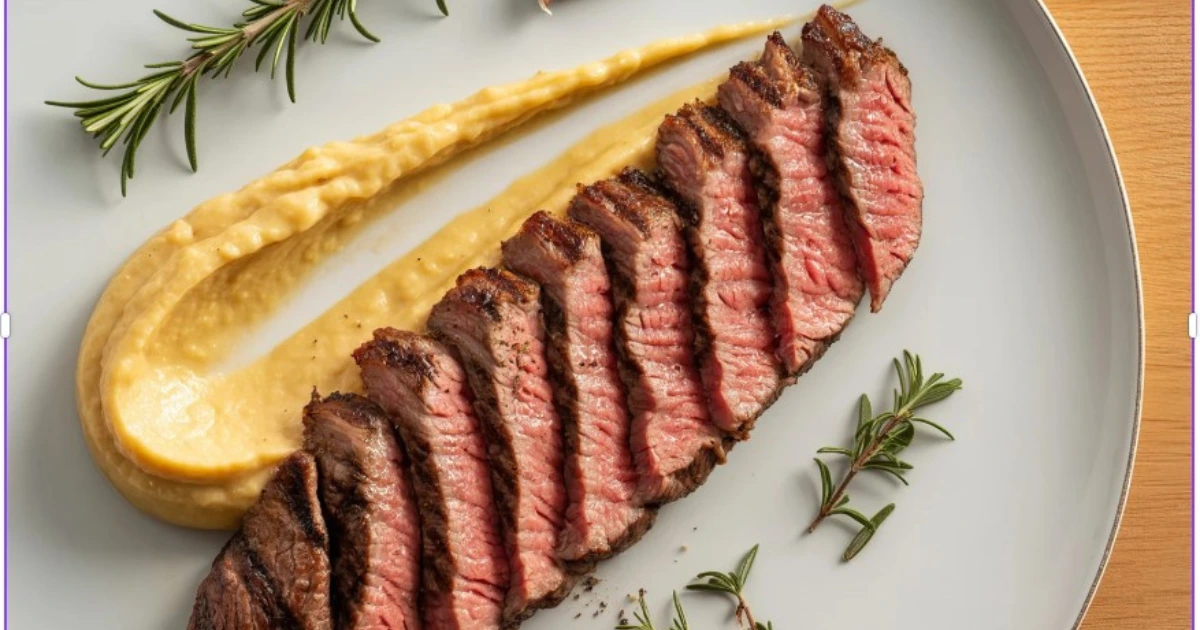
Flank steak comes from the flank primal — the lower abdominal area of the cow, just behind the plate and below the loin. It’s a working muscle that the animal uses constantly, which explains its two defining characteristics: pronounced grain and bold, beefy flavor.
The cut is long, flat, and relatively thin — typically around 1 to 1½ pounds, roughly an inch thick at its center, and anywhere from 8 to 12 inches long depending on the animal. The muscle fibers run almost parallel to the length of the steak, which makes the grain extremely easy to see. That visible grain is both a feature and a warning: slice with it and you’ll end up with something unpleasantly chewy; slice against it and the steak transforms.
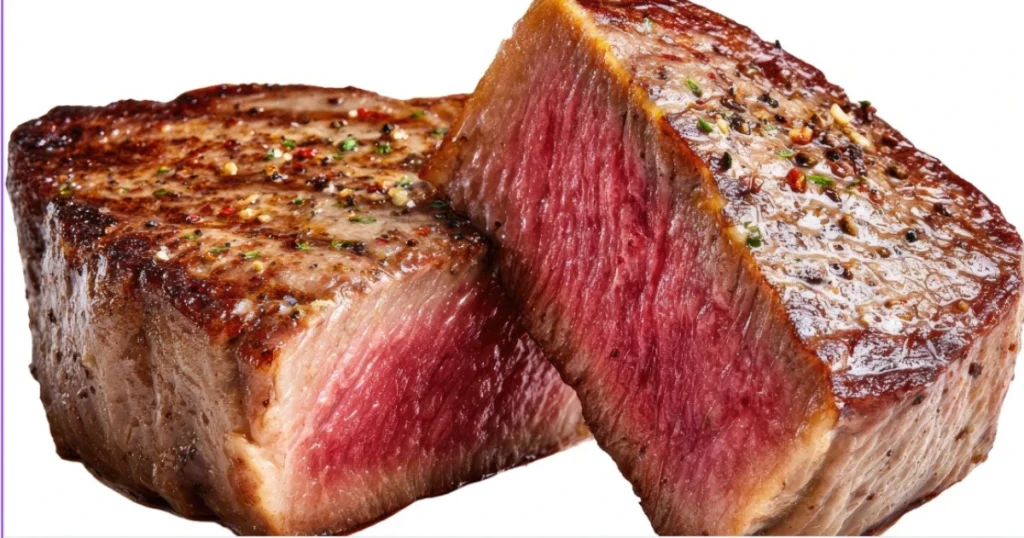
Flank steak is sold boneless, usually trimmed of most exterior fat, and occasionally scored (shallow cross-cuts on the surface to help marinades penetrate and prevent curling during cooking). If you’re buying an unscored one, you can do this yourself with a sharp knife — more on that in the marinade section.
Flank Steak vs. Skirt Steak: What’s the Difference?
These two cuts are frequently confused, and many recipes use them interchangeably — but they’re distinct cuts with meaningful differences.
| Feature | Flank Steak | Skirt Steak |
|---|---|---|
| Location | Lower abdomen (flank primal) | Diaphragm muscle (plate primal) |
| Shape | Flat, wide, uniform thickness | Long, thin, irregular thickness |
| Grain | Pronounced, easy to see | Very coarse, almost shreddy |
| Fat Content | Leaner | Fattier, more marbled |
| Flavor | Clean, beefy, slightly mineral | Richer, more intense, gamier |
| Best Use | Grilling, broiling, stuffing, slicing | Fajitas, stir-fry, tacos |
| Tenderness | Moderate — benefits from marinade | Less tender — needs quick, hot cooking |
The short version: flank steak is leaner and slightly more uniform, making it a better candidate for stuffed preparations and presentations where appearance matters. Skirt steak has more fat and a more aggressive flavor, which makes it the classic choice for fajitas. Both respond well to acid-based marinades and high-heat cooking. Both must be sliced against the grain.
Flank Steak vs. Other Common Cuts
Understanding where flank steak sits in the broader steak landscape helps you know when to reach for it — and when a different cut might serve you better.
| Cut | Tenderness | Flavor Intensity | Marinade Needed? | Price Range |
|---|---|---|---|---|
| Filet Mignon | ⭐⭐⭐⭐⭐ | Mild | No | $$$$ |
| Ribeye | ⭐⭐⭐⭐ | Very Rich | No | $$$ |
| Top Sirloin | ⭐⭐⭐ | Moderate | Optional | $$ |
| Flank Steak | ⭐⭐ | Bold | Recommended | $$ |
| Skirt Steak | ⭐⭐ | Very Bold | Yes | $$ |
| Chuck Steak | ⭐ | Rich | Yes | $ |
Flank steak is the right choice when you want assertive beef flavor, when you’re feeding a crowd on a budget, or when your recipe involves slicing, stuffing, or marinating. It is not the right choice when you want fork-tender steak served whole and thick — that’s a job for a ribeye or filet.
How to Buy Flank Steak: What to Look For
Most grocery stores carry flank steak consistently, and it’s also easy to find at warehouse stores in larger packages. Here’s what to look for when choosing one.
Color and Freshness
Fresh flank steak should be a deep, rich red — not bright cherry-red like some cuts, but a darker, more saturated crimson that reflects its denser muscle fibers. Some surface browning from vacuum packaging is normal and harmless; what you want to avoid is gray discoloration running deep into the meat or any off-putting smell.
Fat and Connective Tissue
Flank steak is naturally lean, but you should still see a thin layer of fat on at least one side. A completely stripped, pure-lean flank can turn dry and tough during cooking. Look for a steak with that thin fat cap intact — it adds insurance against overcooking. Also check for significant amounts of silver skin (the pearlescent connective membrane). A little is fine; large patches are worth trimming off at home, as silver skin doesn’t break down with quick cooking the way fat does.
Thickness and Uniformity
Choose a flank steak with reasonably even thickness across its surface. A steak that’s ¾ inch thick in the center and tapers sharply to ¼ inch at the edges will have the thin ends overcooked long before the center reaches temperature. Some tapering is normal — just look for the most uniform piece you can find.
USDA Grade
For flank steak, USDA Choice is the standard and works well. Unlike premium cuts where grade dramatically affects the eating experience, flank steak’s bold flavor and coarse-grained muscle mean the difference between Choice and Select is less dramatic here than with a ribeye. Marinating and cooking technique matter more than grade for this particular cut.
Why Flank Steak Loves a Marinade
Flank steak is one of the most marinade-friendly cuts you’ll work with, for two reasons. First, its open, coarse grain creates more surface area per slice than dense, tightly-fibered cuts — meaning flavored liquid actually penetrates the meat rather than just sitting on the outside. Second, the acidic components in a good marinade (citrus juice, vinegar, yogurt) physically break down tough muscle proteins near the surface, creating a noticeably more tender bite.
A well-constructed marinade for flank steak has three components working together:
The Acid
This is the tenderizer. Options include lime juice, lemon juice, red wine vinegar, rice vinegar, balsamic vinegar, Worcestershire sauce, soy sauce, plain yogurt, or buttermilk. Don’t use too much — a highly acidic marinade left on too long creates a mushy, gray exterior that’s unappealing to both look at and eat.
The Fat
Oil carries fat-soluble flavor compounds deep into the meat and helps prevent sticking during high-heat cooking. Olive oil, avocado oil, or sesame oil all work well depending on the flavor profile you’re building.
The Flavor Builders
This is where the marinade gets its personality. Garlic, fresh or dried herbs, spices, sweeteners (honey, brown sugar, agave), heat (chili flakes, jalapeño, sriracha), and umami boosters (fish sauce, miso, soy sauce) all belong in this category.
Marinade Timing: How Long Is Long Enough?
For flank steak, the ideal marinade window is 2 to 12 hours. Two hours is the minimum to get meaningful flavor penetration. Overnight (8 to 12 hours) is ideal for the most flavorful result. Beyond 12 to 15 hours, the acid begins to break down the surface in a way that creates an unpleasantly soft, almost mealy texture on the outside of the steak.
Always marinate in the refrigerator — never at room temperature — and always discard the used marinade rather than using it as a sauce (unless you boil it first to kill any raw meat bacteria).
5 Flank Steak Marinades Worth Memorizing
1. Classic Citrus-Garlic
Juice of 2 limes, ¼ cup olive oil, 4 minced garlic cloves, 1 tsp cumin, 1 tsp smoked paprika, ½ tsp salt, and cracked black pepper. Clean, bright, and versatile. Perfect for tacos, fajitas, and grain bowls.
2. Soy-Ginger Asian-Style
¼ cup soy sauce, 2 tbsp sesame oil, 2 tbsp rice vinegar, 1 tbsp honey, 1 tbsp fresh grated ginger, 3 minced garlic cloves, and a pinch of red pepper flakes. Works beautifully for stir-fry strips, rice bowls, or Korean-style BBQ.
3. Balsamic-Herb
3 tbsp balsamic vinegar, 3 tbsp olive oil, 2 tsp Dijon mustard, 2 minced garlic cloves, 1 tbsp chopped fresh rosemary, and 1 tbsp chopped fresh thyme. This is your steak salad and European-style preparation marinade.
4. Chipotle-Lime
2 chipotles in adobo sauce (minced) plus 2 tbsp adobo sauce, juice of 2 limes, 3 tbsp olive oil, 1 tsp oregano, 1 tsp cumin, and 2 garlic cloves. Smoky, spicy, and outstanding for tacos or nachos.
5. Worcestershire-Brown Sugar
¼ cup Worcestershire sauce, 2 tbsp olive oil, 2 tbsp brown sugar, 1 tbsp soy sauce, 1 tsp garlic powder, and 1 tsp onion powder. A deep, savory-sweet profile that caramelizes beautifully on the grill and pairs well with classic American sides.
How to Cook Flank Steak: 4 Methods
Flank steak is best cooked using high, direct heat — quickly. Unlike tougher cuts that need hours of low-and-slow cooking to break down collagen, flank steak’s muscle fibers simply need to be kept from overcooking. Think of it as a sprint, not a marathon.
Method 1: Grilling (The Gold Standard)
Grilling over high heat is the definitive cooking method for flank steak. The intense heat creates a charred crust that adds flavor and texture the steak’s bold muscle can handle.
- Remove the steak from the marinade and pat it completely dry with paper towels. Surface moisture is the enemy of a good sear.
- Preheat the grill to high heat (450–500°F). Clean and oil the grates.
- Grill the flank steak for 4–5 minutes per side for medium-rare on a standard 1-inch steak. Don’t move it during this time — let the crust develop.
- Use an instant-read thermometer and pull the steak at 125°F for medium-rare or 130°F for medium.
- Transfer to a cutting board and rest for 8–10 minutes.
- Slice thinly against the grain on a 45-degree diagonal.
Tip: If your flank steak is very thin on the edges, fold those thin ends under and secure with a toothpick before grilling so the whole steak cooks more evenly.
Method 2: Cast Iron Sear (Best for Indoors)
A scorching cast iron pan delivers the same high-heat environment as a grill and works year-round regardless of weather.
- Heat a large cast iron skillet over high heat for 4–5 minutes until it’s just beginning to smoke.
- Pat the steak dry. Add a thin layer of high-smoke-point oil (avocado or grapeseed) to the pan.
- Lay the steak away from you in the pan. It should sear aggressively immediately. If it doesn’t, your pan isn’t hot enough.
- Sear undisturbed for 4 minutes, then flip and cook another 3–4 minutes.
- Rest for 8 minutes and slice against the grain.
Note: Flank steak releases a lot of liquid during cooking. Resist the urge to drain it — just let it cook off. The resulting fond at the bottom of the pan makes an exceptional pan sauce with a splash of red wine and a knob of butter.
Method 3: Broiling
Broiling mimics the high, direct heat of a grill using your oven’s top element. It’s an underused method for flank steak that produces excellent results.
- Set your oven rack 3–4 inches below the broiler element and preheat the broiler for 10 full minutes.
- Place the dry, seasoned steak on a foil-lined broiler pan or oven-safe rack set over a baking sheet.
- Broil for 5–6 minutes per side for a 1-inch steak cooked to medium-rare.
- Watch closely during the last 2 minutes — broiler output varies significantly between ovens.
- Rest and slice as described above.
Method 4: Sous Vide + Sear (Most Precise)
For those who want edge-to-edge perfection and don’t mind a longer process, sous vide cooking transforms flank steak. The extended time at precise temperature breaks down the tougher fibers in a way that quick cooking cannot.
- Seal the marinated steak in a vacuum bag or zip-lock bag using the water displacement method.
- Cook in a sous vide bath at 130°F for 2–4 hours. The longer time significantly improves tenderness.
- Remove from the bag, pat the surface completely dry, and sear in a screaming-hot cast iron pan for 60–90 seconds per side — just long enough to build a crust without overcooking the interior.
- Rest for 5 minutes and slice against the grain.
Sous vide flank steak is noticeably more tender than quick-cooked versions and practically foolproof in terms of doneness. The trade-off is time and equipment.
Steak Doneness Temperature Guide
| Doneness | Pull Temp (°F) | Final Temp After Rest | Notes for Flank |
|---|---|---|---|
| Rare | 115–120°F | 120–125°F | Very chewy for this cut |
| Medium-Rare | 125–130°F | 130–135°F | ✅ Ideal — tender, juicy, flavorful |
| Medium | 130–135°F | 135–145°F | Acceptable with marinade |
| Medium-Well | 140–145°F | 145–155°F | Dry and tough — not recommended |
| Well Done | 155°F+ | 160°F+ | ❌ Avoid entirely with this cut |
Medium-rare is non-negotiable for flank steak. This is the one cut where doneness preference genuinely changes the eating experience more than technique or seasoning. A well-done flank steak is tough, dry, and difficult to chew — it simply doesn’t have the fat content to survive overcooking. If someone in your household prefers more done beef, a marinade and thin slicing are your best tools for making medium-well flank steak as palatable as possible.
The Non-Negotiable Rule: Slicing Against the Grain
No single step has more impact on flank steak tenderness than this one. The grain in flank steak is coarser and more pronounced than in almost any other cut — those long, thick muscle fibers run nearly the entire length of the steak. If you slice along or parallel to those fibers, you’re cutting long strands that require significant force to chew through. Slice against them — perpendicular to their direction — and you sever those fibers into short, manageable lengths that chew easily.
Here’s exactly how to do it:
- After resting, look at the surface of the steak. You’ll see long lines running across it — those are the muscle fibers.
- Position your knife so the blade is cutting across those lines, not along them.
- Slice on a 45-degree diagonal to the length of the steak. This angled cut creates wider, more attractive slices and increases the surface area of each piece.
- Cut the slices ¼ to ⅓ inch thick. Thin slices maximize tenderness; thick slices emphasize the chew.
If you’ve ever had disappointing flank steak — tough, stringy, or chewy — there’s an excellent chance it was sliced with the grain rather than against it. The same steak, sliced correctly, would have tasted entirely different.
Flank Steak Recipe Ideas
Few cuts are as versatile in application as flank steak. Its shape, its ability to be sliced thin, and its bold flavor make it the right tool for a remarkable range of dishes.
1. Classic Beef Fajitas
Marinate in citrus-cumin-garlic, grill over high heat, and slice thin. Serve with charred bell peppers and onions, warm flour tortillas, sour cream, guacamole, and pico de gallo. A crowd-pleasing weeknight dinner that comes together in under 30 minutes once the steak has marinated.
2. Korean-Style Bulgogi Flank
Marinate in a blend of soy sauce, sesame oil, Asian pear (or kiwi) for its tenderizing enzymes, garlic, ginger, and a touch of brown sugar. Grill or cook in a hot pan and serve over steamed rice with kimchi, pickled vegetables, and a drizzle of gochujang.
3. Stuffed and Rolled Flank Steak (Braciole-Style)
Butterfly the flank steak open (or pound it thin), layer with spinach, roasted red peppers, provolone, and garlic, then roll tightly and tie with kitchen twine. Sear the outside, then finish in the oven at 375°F or braise in tomato sauce. This preparation showcases the steak’s flat shape and produces a stunning presentation when sliced into pinwheels.
4. Flank Steak Tacos
Marinate in chipotle-lime, grill until medium-rare, and slice thin. Serve on warm corn tortillas with quick-pickled red onions, cilantro, crumbled cotija, avocado slices, and a drizzle of crema. Finish with a squeeze of fresh lime.
5. Steak and Arugula Salad
Slice grilled or broiled medium-rare flank steak and fan it over a bed of wild arugula with shaved Parmesan, cherry tomatoes, and a lemon-Dijon vinaigrette. Finish with cracked black pepper and a drizzle of good olive oil. Elegant enough for guests, fast enough for a Tuesday.
6. Flank Steak Stir-Fry
Slice the raw steak very thin against the grain and marinate in soy, sesame, and ginger for 30 minutes. Cook in a screaming-hot wok for 2–3 minutes with your choice of vegetables — broccoli, snap peas, bok choy, and shiitake mushrooms all work beautifully. Finish with a cornstarch-thickened sauce and serve over steamed jasmine rice or rice noodles.
7. Flank Steak Grain Bowl
Build a bowl on a base of farro, quinoa, or brown rice. Top with sliced medium-rare flank steak, roasted sweet potatoes, pickled cucumber, avocado, and a drizzle of tahini-lemon dressing. Versatile, meal-prep friendly, and genuinely filling.
Flank Steak for Meal Prep
Flank steak is one of the best cuts for weekly meal prep. One 1½-pound steak, cooked on Sunday and sliced, can fuel multiple meals through the week. The sliced meat holds well in an airtight container for up to 4 days in the refrigerator, and it reheats better than most steaks because its bold flavor survives gentle warming without the delicate character getting lost.
A few meal prep tips specific to flank steak:
- Cook to medium-rare and let it carry over. When reheating, the steak will warm a few degrees. Cooking it to medium-rare initially means reheated slices land closer to medium — still tender and juicy.
- Store sliced, not whole. Pre-sliced steak is faster to use and distributes more evenly across bowls and wraps.
- Use the resting juices. Pour any accumulated juices from the cutting board over the stored steak. Those juices re-absorb during refrigeration and add moisture when reheating.
- Reheat gently. A brief 30–45 seconds in a covered pan over medium-low heat with a splash of water or broth is better than a microwave at full power, which can toughen the meat.
What to Serve with Flank Steak
The right sides depend on how you’ve seasoned and presented the steak, but a few pairings work across most preparations:
- Chimichurri — the classic Argentinian herb sauce of parsley, garlic, red wine vinegar, olive oil, and red pepper flakes is the single best sauce for grilled flank steak. Its acidity and brightness are a natural counterpoint to the cut’s bold, slightly mineral flavor.
- Roasted potatoes or wedges — something hearty and starchy stands up to the intensity of flank steak without getting lost.
- Grilled corn — especially alongside fajita-style preparations. The sweetness contrasts well with charred, savory beef.
- Simple green salad with lemon vinaigrette — keeps things fresh and provides a brightness that cuts through rich beef.
- Warm flatbreads or tortillas — for wrapping and building as you eat.
- Creamy coleslaw — the cooling, tangy dairy-based dressing is an excellent foil for spicy, smoky marinades.
Common Flank Steak Mistakes (And How to Avoid Them)
❌ Marinating too long
More time in the marinade is not always better. Beyond 12–15 hours, the acid starts to degrade the surface proteins, leaving you with a strangely soft, almost mushy exterior texture. Set a timer and pull the steak on schedule.
❌ Cooking it past medium
Flank steak has relatively little intramuscular fat to keep it moist as temperature rises. Past medium, the muscle fibers contract severely, squeezing out moisture and creating a tough, dry eating experience. An instant-read thermometer isn’t optional with this cut — it’s essential.
❌ Not patting dry before cooking
A wet surface steams instead of sears. No matter how long you’ve marinated, pat the steak completely dry with paper towels before it touches heat. All the flavor from the marinade has already been absorbed into the meat — the liquid on the surface is just in the way.
❌ Slicing with the grain
This is the single most common flank steak mistake, and the consequences are severe. Always identify the direction of the muscle fibers and cut perpendicular to them. When in doubt, look carefully at the surface — the grain on flank steak is not subtle.
❌ Not resting the steak
The resting period (8–10 minutes for flank steak) allows the muscle fibers to relax and reabsorb the juices that have been pushed to the center by heat. Cut into it immediately and you’ll see those juices flood the cutting board instead of staying in the meat where they belong.
❌ Using a dull knife
Slicing thin against the grain requires a sharp knife. A dull blade tears rather than cuts, which compresses the fibers and squeezes out moisture. If your knife requires real pressure to slice through rested steak, it needs sharpening.
Frequently Asked Questions About Flank Steak
Is flank steak tough?
It can be, if cooked past medium or sliced with the grain — but treated correctly, it’s genuinely tender and satisfying. A marinade, medium-rare doneness, proper resting, and slicing against the grain on the diagonal are the four factors that turn a potentially tough cut into something excellent.
Can you cook flank steak without marinating it?
Absolutely. A generous dry season of salt, pepper, garlic powder, and smoked paprika applied at least 45 minutes before cooking produces great results on its own. The steak has enough natural flavor that it doesn’t require a marinade — the marinade just adds an extra dimension and a little extra tenderness.
How long does flank steak take to cook?
Over high direct heat, a standard 1-inch flank steak reaches medium-rare in roughly 8–10 minutes total (4–5 minutes per side). It’s one of the faster-cooking steaks, which makes it a practical choice for weeknight dinners.
What is flank steak called at the grocery store?
In most U.S. grocery stores it’s labeled simply “flank steak” or occasionally “beef flank.” In some regions or stores, you may see it labeled “London broil” — though that term technically refers to a preparation method (marinate, broil, slice thin) rather than a specific cut, and the same label is sometimes applied to top round.
Can you freeze flank steak?
Yes, and it freezes well. Wrap the raw steak tightly in plastic wrap, then in a layer of aluminum foil or in a zip-lock freezer bag with the air pressed out. It will keep well for up to 3 months in the freezer. Thaw overnight in the refrigerator — never at room temperature. If you plan to marinate, you can add the steak directly to the marinade in a freezer bag before freezing; it will marinate as it thaws.
Is flank steak the same as London broil?
Not exactly. “London broil” is a cooking method — not a cut — that involves marinating a lean, flat steak and broiling it before slicing thin against the grain. Flank steak is the cut most commonly used for London broil, but top round is also sold under this label in many stores. The method is the same regardless of which lean cut you start with.
Final Thoughts
Flank steak isn’t trying to be a ribeye. It doesn’t need to be. It has its own character — assertive, deeply beefy, with a satisfying texture that holds up in tacos, grain bowls, stir-fries, and elegant sliced presentations alike. When it’s treated with the attention it deserves — marinated thoughtfully, cooked quickly over high heat, rested properly, and sliced against the grain — it’s one of the most satisfying steaks you can put on a plate.