
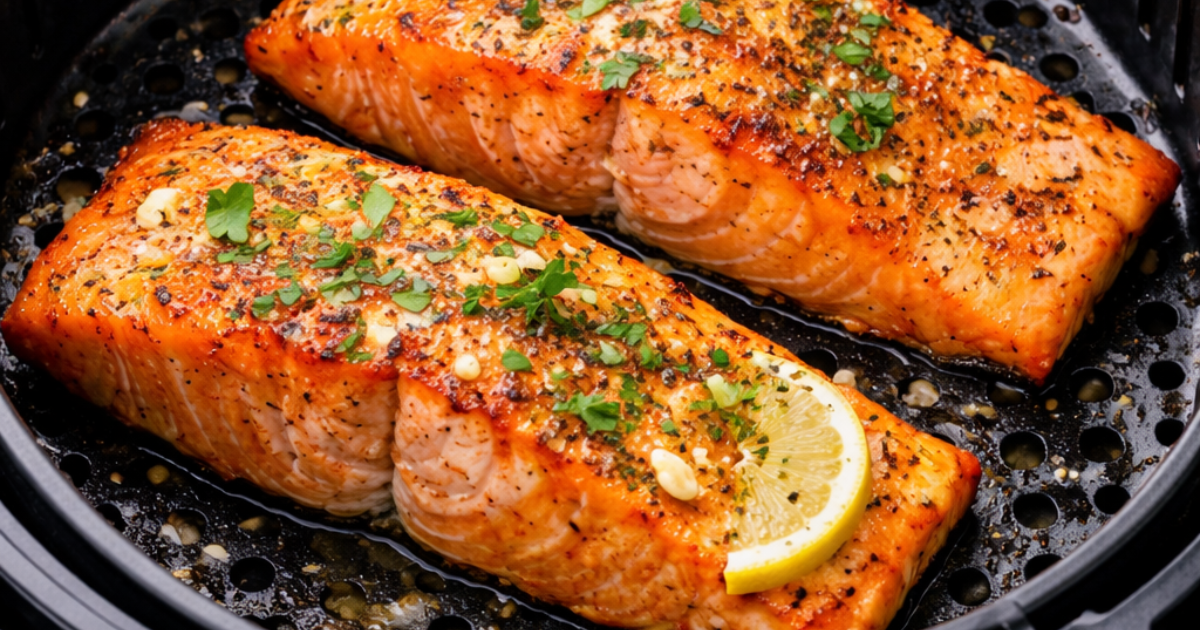
Introduction: The Weight-Loss Meal You’ve Been Looking For
You’ve tried the salads. You’ve suffered through bland meal-prep containers. And yet, the number on the scale barely budges — all while you’re still hungry by 3 p.m.
Sound familiar? The problem usually isn’t willpower. It’s the wrong food.
That’s exactly where healthy air fryer salmon for weight loss becomes a game-changer. Salmon is one of the most nutritionally complete foods you can eat — loaded with lean protein, heart-healthy fats, and essential vitamins. Combine it with the speed and low-fat cooking power of an air fryer, and you have a fat-burning recipe that’s genuinely satisfying, ready in under 15 minutes, and requires almost no cleanup.
No oil-splattered stovetop. No hour-long oven wait. Just perfectly crispy, flaky salmon that tastes like a restaurant meal — and fits easily into your calorie budget.
In this guide, you’ll find everything: the exact cooking method, nutrition breakdown, weight-loss tips, low-calorie sides, healthy variations, meal prep strategies, and answers to the most common questions. Let’s get started.
Why This Recipe Is Perfect for Weight Loss
Not all “healthy” recipes actually support fat loss. This one does — and the reasons go beyond just counting calories.
1. Sky-High Protein That Crushes Hunger
A single 6 oz salmon fillet packs around 34 grams of protein — that’s more than most protein shakes. Protein is the most satiating macronutrient, meaning it suppresses hunger hormones (especially ghrelin) and keeps you feeling full for hours after eating. When you eat enough protein, you naturally eat less throughout the day.
2. Low Enough in Calories to Fit Any Diet
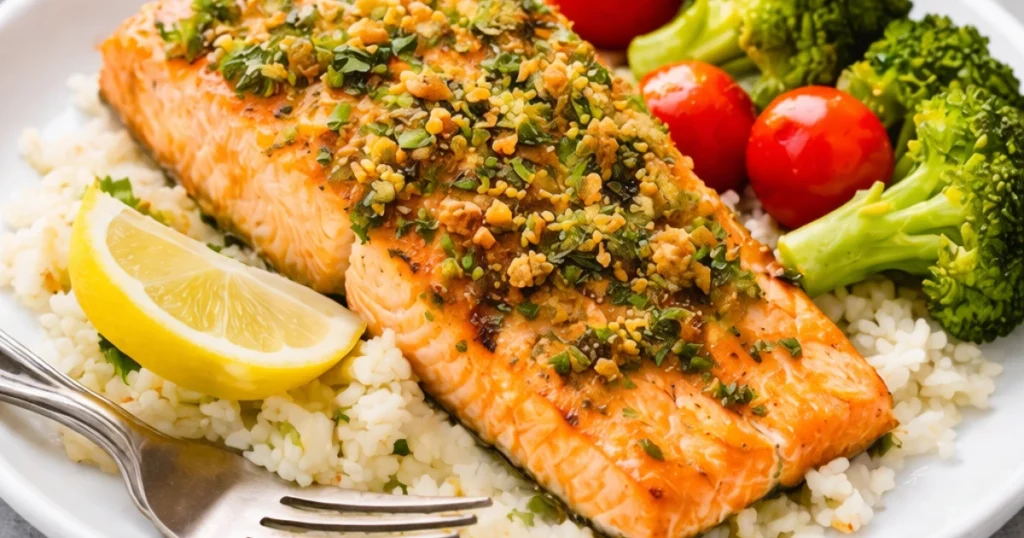
This air fryer salmon healthy preparation clocks in at approximately 280 calories per serving — far less than most restaurant meals or even home-cooked alternatives that use heavy oils and cream sauces. That calorie efficiency means you can eat a genuinely satisfying dinner without blowing your daily budget.
3. Omega-3 Fatty Acids That Support Fat Metabolism
Salmon is one of nature’s richest sources of Omega-3 fatty acids, providing about 2.2 grams per serving. These essential fats reduce systemic inflammation, improve insulin sensitivity, and have been shown in multiple clinical studies to support fat loss — particularly visceral (belly) fat. Healthy fats aren’t the enemy; the right ones are powerful allies.
4. The Air Fryer Advantage: Less Oil, Same Crunch
Traditional pan-frying adds 150–200 calories of oil that the food absorbs. The air fryer circulates superheated air to produce the same golden, crispy exterior — using just a light spritz of cooking spray (or zero oil). That’s a meaningful daily calorie reduction that compounds significantly over time.
5. Ready in 15 Minutes — No Excuse to Reach for Fast Food
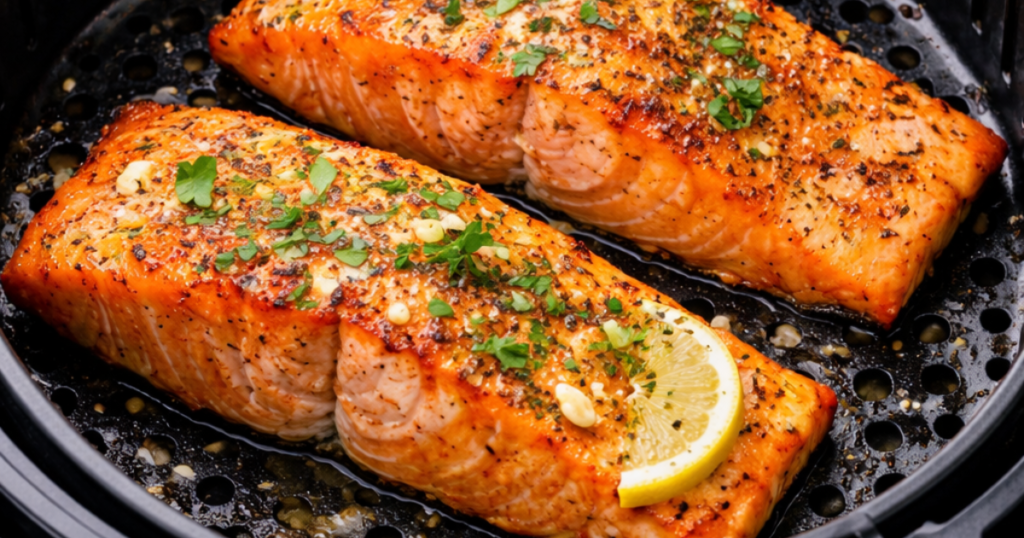
One of the most underrated weight-loss factors is speed. When healthy food takes longer than ordering a pizza, motivation loses. At 15 minutes start-to-finish, this easy healthy salmon recipe removes that barrier entirely.
Calories & Nutrition Breakdown
Here’s what you’re getting in each serving of this low calorie salmon recipe (based on one 6 oz Atlantic salmon fillet, lightly seasoned with spices and a tsp of olive oil):
| Nutrient | Amount (per serving) | % Daily Value |
| Calories | 280 kcal | 14% DV |
| Protein | 34 g | 68% DV |
| Total Fat | 13 g | 17% DV |
| Saturated Fat | 2.5 g | 13% DV |
| Omega-3 Fatty Acids | 2.2 g | — |
| Total Carbohydrates | 3 g | 1% DV |
| Dietary Fiber | 0.5 g | 2% DV |
| Sodium | 380 mg | 17% DV |
| Vitamin D | 16 mcg | 80% DV |
| Potassium | 880 mg | 19% DV |
Based on a 2,000-calorie daily diet. Values may vary slightly by fillet size and seasoning.
| �� | At only 280 calories with 34g of protein, this salmon diet recipe gives you one of the best protein-to-calorie ratios of any whole-food meal. More protein per calorie = less hunger = fewer daily calories consumed overall. |
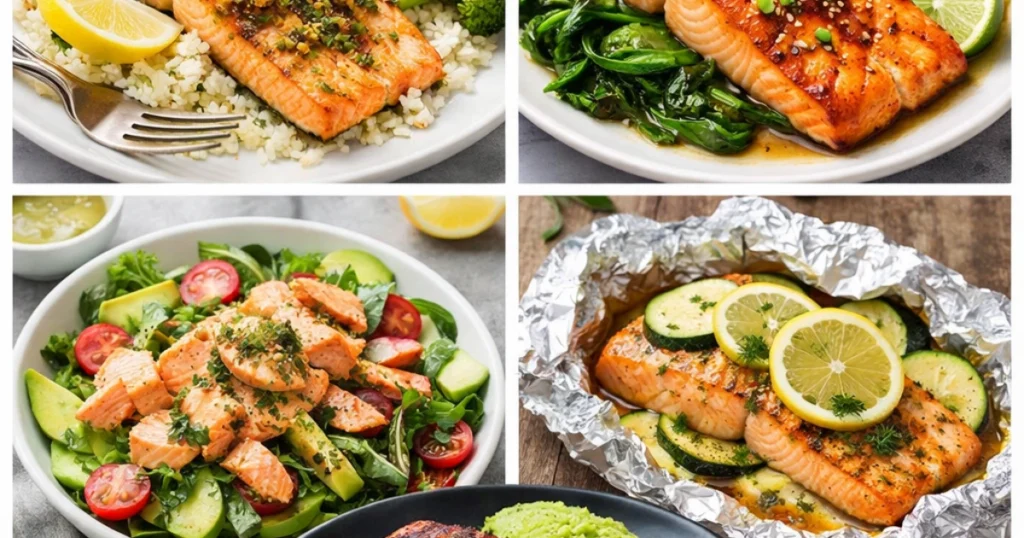
Recipe Card
| �� RECIPE CARDHealthy Air Fryer Salmon for Weight Loss⏱ Prep5 min�� Cook10 min⏳ Total15 min�� Serves2⚡ Cals~280Ingredients• 2 salmon fillets (5–6 oz each)• 1 tsp olive oil or cooking spray• ½ tsp garlic powder• ½ tsp smoked paprika• ¼ tsp onion powder• Salt & black pepper to taste• Juice of ½ lemon• Fresh dill or parsley (optional)Instructions1. Preheat air fryer to 400°F for 3 min.2. Pat fillets dry with paper towels.3. Brush with oil; apply spice blend.4. Place skin-side down in basket.5. Air fry 8–10 min at 400°F.6. Squeeze lemon, garnish, and serve. |
Ingredients (Healthy, Clean & Simple)
Every ingredient here was chosen for maximum flavor with minimal calories. No filler, no processed sauces, no hidden sugars.
Main Ingredients
- 2 salmon fillets (5–6 oz each), skin-on or skinless — wild-caught sockeye or Atlantic work best
- 1 tsp olive oil or avocado oil (or just an oil spray — saves ~30 calories)
- ½ tsp garlic powder — anti-inflammatory, zero calories, huge flavor
- ½ tsp smoked paprika — adds a rich, almost smoky depth without any sauce needed
- ¼ tsp onion powder
- Salt and freshly cracked black pepper to taste
- Juice of ½ lemon — brightens everything; adds vitamin C at zero calories
- Fresh dill or parsley (optional garnish — adds color and trace antioxidants)
Low-Calorie Substitutions
- No-oil version: Skip oil entirely. The salmon’s natural fat content (~13g per fillet) keeps it perfectly moist.
- No salt: Swap with a salt-free herb blend or lemon zest for flavor.
- Lemon for lime: Lime juice works just as well and adds a slightly tropical note.
- Frozen salmon: Works perfectly — see the FAQ section for exact timing adjustments.
| �� | PRO TIP: Skip store-bought seasoning packets. They often contain added sugars and high sodium. This homemade blend is cleaner, cheaper, and far more delicious. |
How to Cook Healthy Air Fryer Salmon (Step-by-Step)
Follow these steps exactly for perfectly crispy, flaky salmon every single time.
What You Need
- Air fryer (any brand, basket or drawer style)
- Paper towels (essential for drying the fish)
- Small bowl for mixing spices
- Instant-read thermometer (optional, but recommended)
- Tongs or spatula
Step-by-Step Instructions
- Step 1 — Preheat Your Air Fryer: Set the temperature to 400°F (200°C). Let it run for 3 minutes before adding the salmon. This is non-negotiable — a cold basket leads to uneven cooking and steaming instead of crisping. Most air fryers have a preheat button; if yours doesn’t, simply run it empty for 3 minutes.
- Step 2 — Dry the Salmon Thoroughly: Place your fillets on a clean surface and pat both sides completely dry with paper towels. Any moisture on the surface creates steam during cooking, which prevents crisping and dilutes flavor. This step takes 30 seconds and makes a noticeable difference.
- Step 3 — Season Well: Lightly coat both sides with oil or cooking spray — a thin, even layer is all you need. In a small bowl, combine garlic powder, smoked paprika, onion powder, salt, and pepper. Sprinkle the blend evenly over the fillets and press it gently into the flesh so it adheres.
- Step 4 — Load the Basket Correctly: Place the fillets skin-side down in the air fryer basket. Leave at least ½ inch of space between each fillet. Overcrowding blocks airflow and results in uneven, steamed (not crisped) fish. Cook in batches if needed.
- Step 5 — Cook at 400°F for 8–10 Minutes: No flipping required — the circulating hot air cooks all sides simultaneously. Timing by thickness: thin fillets under 1 inch = 7–8 minutes; standard 1-inch fillets = 9–10 minutes; thick fillets over 1.25 inches = 11–12 minutes. The salmon is done when it flakes easily with a fork and the internal temperature reads 145°F (63°C).
- Step 6 — Rest, Finish & Serve: Remove the salmon from the basket and let it rest on a plate for 2 minutes. This allows the juices to redistribute, keeping the inside moist. Squeeze fresh lemon juice over the top, scatter fresh herbs if using, and serve immediately.
| �� | DONENESS CHECK: The FDA recommends an internal temperature of 145°F. If you prefer medium salmon (slightly translucent in the center), pull it at 125–130°F. Both are safe depending on personal preference and fillet freshness. |
Weight Loss Tips: Maximize Your Results
The recipe itself is already calorie-optimized. But how you eat it — and what you eat with it — determines how effectively it supports your goals.
Portion Control: The Single Most Important Factor
Stick to one 5–6 oz fillet per meal. Salmon is healthy, but no food is calorie-free. A 12 oz portion doubles your intake to ~560 calories. Use a food scale for the first few weeks to train your eye. Once you know what a proper portion looks like, you won’t need it.
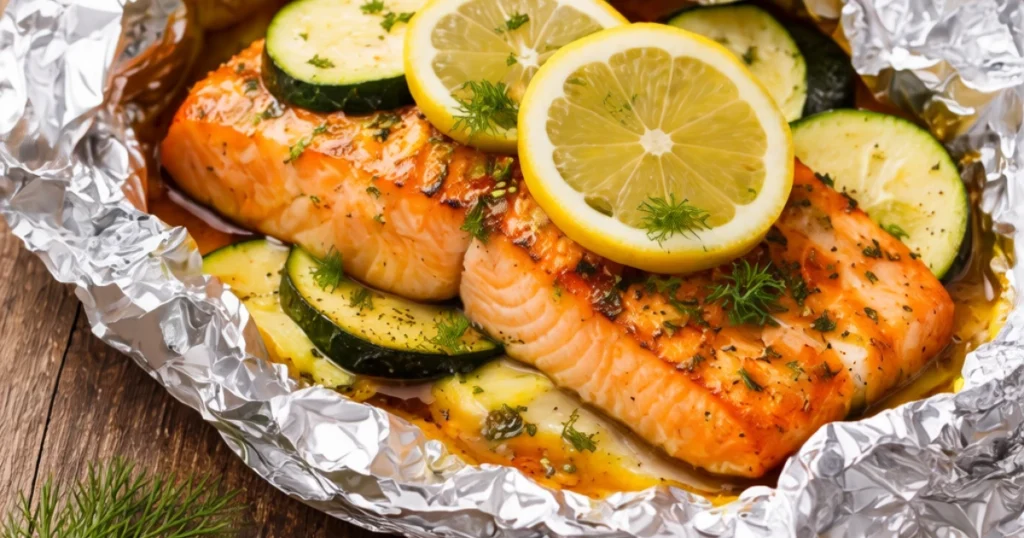
Build the Right Plate
Think of your plate in thirds:
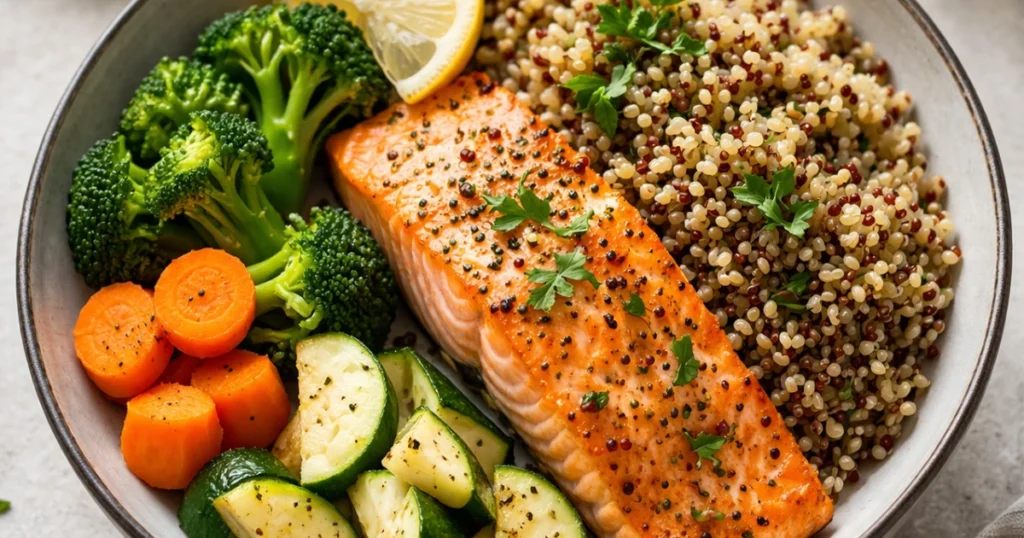
- 50% non-starchy vegetables (broccoli, asparagus, leafy greens, zucchini)
- 25% protein (your salmon fillet)
- 25% optional complex carbs (brown rice, quinoa, or sweet potato in modest portions)
This balance gives you fiber, protein, and energy without excess calories.
Avoid High-Calorie Sauces — Here’s What to Use Instead
A single tablespoon of bottled teriyaki sauce can add 50–90 calories and 10+ grams of sugar. That’s a significant hit to a 280-calorie meal. Use these zero- or near-zero-calorie alternatives instead:
- Fresh lemon or lime juice — 0 calories, brightens every bite
- Plain Greek yogurt-based dill sauce — ~15 calories per tablespoon
- Low-sodium soy sauce (just a drizzle) — 5 calories per tsp
- Salsa (look for no-added-sugar versions) — 10–15 calories per tablespoon
- Apple cider vinegar glaze — 3 calories per tablespoon, surprisingly good
Eat Slowly and Mindfully
Research consistently shows that eating more slowly reduces total calorie intake, because the brain takes roughly 20 minutes to register satiety signals from the stomach. Put your fork down between bites. Chew thoroughly. Turn off the TV. You’ll eat less — and enjoy every bite more.
Time Your Meal Strategically
For weight loss, eating this salmon for lunch or an early dinner tends to yield the best results. Your body is most metabolically active in the middle of the day, meaning you’ll burn more of those calories efficiently. Avoid eating large protein meals immediately before bed.
Best Low-Calorie Side Dishes for Air Fryer Salmon
The right side dish keeps your total meal under 500 calories while adding vitamins, fiber, and staying power. Here are the best options by category.
Vegetables — The Ideal Pairing
- Steamed broccoli — 55 cal/cup; adds fiber, vitamin C, and crunch
- Roasted asparagus — 40 cal/serving; earthy, elegant, pairs perfectly with lemon salmon
- Air fryer green beans with garlic — 35 cal/cup; quick, crispy, satisfying
- Sautéed spinach with garlic and lemon — 40 cal/cup; iron-rich, anti-inflammatory
- Zucchini noodles (zoodles) — 20 cal/cup; low-carb pasta alternative
- Roasted cherry tomatoes — 35 cal/cup; burst of sweetness and lycopene
Salads — Fresh and Light
- Simple arugula salad with lemon vinaigrette — 30 cal; peppery, bright, takes 2 minutes
- Cucumber & tomato salad with fresh herbs — 45 cal; hydrating, refreshing, zero effort
- Kale salad with lemon-tahini dressing (light) — 80 cal; filling, loaded with antioxidants
- Shaved fennel and citrus salad — 60 cal; pairs beautifully with salmon’s richness
Light Carbs (Optional — Use Modest Portions)
- Brown rice (½ cup cooked) — 110 cal; fiber-rich, keeps you full
- Quinoa (½ cup cooked) — 110 cal; complete protein, complements the salmon’s amino acids
- Cauliflower rice — 25 cal/cup; the ultimate low-carb rice substitute
- Sweet potato (½ medium, roasted) — 80 cal; beta-carotene, natural sweetness
- Lentil salad (¼ cup) — 80 cal; plant-based protein boost with lots of fiber
| �� | COMPLETE MEAL EXAMPLE: 1 salmon fillet (280 cal) + steamed broccoli (55 cal) + ½ cup brown rice (110 cal) = 445 calories total. Filling, balanced, and well within most weight-loss calorie targets. |
Healthy Variations to Keep Things Interesting
Eating the same meal every day is one of the fastest ways to abandon a healthy eating plan. These variations use the same base recipe but deliver completely different flavor experiences — all still low-calorie.
Lemon Garlic Salmon (Lowest Calorie Variation — ~265 cal)
Season with extra garlic powder, a generous amount of lemon zest, and white pepper. Lay thin lemon slices directly on top of the fillet before cooking. The lemon caramelizes slightly against the hot air fryer surface, creating a bright, almost citrus-glazed finish. Zero added sugar. Maximum freshness.
Spicy Cajun Salmon (Metabolism Booster — ~275 cal)
Add ½ tsp cayenne pepper and 1 tsp Cajun spice blend (salt-free if watching sodium) to the standard seasoning. The capsaicin in cayenne has been shown to temporarily increase metabolic rate by 4–5% and reduce appetite. Beyond the science, the flavor is bold, smoky, and seriously satisfying.
Honey-Dijon Glazed Salmon (Slightly Higher — ~310 cal)
Whisk together 1 tsp Dijon mustard, ½ tsp raw honey, a squeeze of lemon, and a pinch of black pepper. Brush lightly over the fillet before air frying. The glaze caramelizes beautifully at 400°F, adding sweet-tangy complexity for only about 30 extra calories compared to plain seasoning.
Mediterranean Herb Salmon (~270 cal)
Press a blend of chopped fresh rosemary, thyme, and dried oregano onto the fillet. Add a few sliced Kalamata olives and capers around the basket. Finish with a drizzle of lemon juice and a tiny drop of extra virgin olive oil post-cooking. Elegant, aromatic, and packed with anti-inflammatory polyphenols.
No-Oil Version (Ultra Low Calorie — ~240 cal)
Skip the oil entirely. Instead, squeeze lemon juice directly over the seasoned fillet before cooking — this helps the spices adhere and adds a subtle brightness. The salmon’s natural fat content (about 13g per 6 oz fillet) is more than sufficient to keep it moist and prevent sticking. Reduce cook time by 1 minute and watch closely.
Storage & Meal Prep Tips
This salmon diet recipe is one of the best foods you can add to your weekly meal prep rotation. It holds well, reheats beautifully, and tastes excellent cold in salads.
Refrigerator Storage
- Store cooked salmon in an airtight glass container
- Refrigerate within 2 hours of cooking
- Keeps well for up to 3 days
- Always let it cool completely before sealing — trapping steam creates soggy fish
- Reheat in the air fryer at 350°F for 3–4 minutes to restore crispiness (never microwave — it turns rubbery)
Freezer Storage
- Cooked salmon freezes well for up to 2 months
- Wrap each fillet individually in plastic wrap, then place in a zip-lock freezer bag
- Label with the date
- Thaw overnight in the refrigerator — never on the counter
- Reheat directly from thawed in the air fryer at 375°F for 5–6 minutes
Weekly Meal Prep Plan
Cook 4–5 fillets on Sunday. Pair with different sides throughout the week to prevent boredom:
- Monday: Salmon + steamed broccoli + brown rice
- Tuesday: Salmon + zucchini noodles + lemon vinaigrette
- Wednesday: Salmon Caesar-style salad bowl with romaine and light dressing
- Thursday: Salmon + roasted asparagus + cauliflower rice
- Friday: Flaked salmon in butter lettuce wraps with cucumber and Greek yogurt sauce
| ⏱ | TIME-SAVER: Mix a large batch of the spice blend on Sunday and store in a small jar. One batch (about 3 tbsp) seasons 6–8 fillets. Label it ‘Salmon Seasoning’ and it’s ready to grab any night of the week. |
Frequently Asked Questions (FAQs)
Is salmon good for weight loss?
Yes — salmon is one of the best foods you can eat for sustainable weight loss. It provides high-quality complete protein (all essential amino acids), which increases satiety and preserves lean muscle mass during calorie restriction. Its Omega-3 fatty acids reduce inflammation and improve insulin sensitivity, both of which support fat metabolism. Multiple peer-reviewed studies have associated regular fish consumption with lower body weight and reduced abdominal fat. Crucially, unlike many diet foods, salmon is genuinely satisfying — which makes it easier to maintain a calorie deficit long-term.
How many calories are in air fryer salmon?
Air fryer salmon calories typically fall between 240–300 calories per 5–6 oz serving, depending on the size of the fillet and how much oil or seasoning is used. This recipe comes in at approximately 280 calories per serving with 1 tsp of olive oil. Compare that to pan-fried salmon (350–420 calories due to oil absorption) or a restaurant preparation (often 500+ calories with sauces and butters). The air fryer is the clear winner for a low calorie salmon recipe.
Can I eat salmon every day for weight loss?
For most healthy adults, eating salmon daily is not only safe but beneficial. The American Heart Association recommends at least two servings of fatty fish per week, but daily consumption is generally well-tolerated and associated with positive health outcomes. If you’re concerned about mercury exposure, it’s worth knowing that salmon — particularly wild-caught sockeye and Atlantic salmon — has consistently low mercury levels compared to larger fish like tuna or swordfish. Rotating with other lean proteins (chicken, eggs, legumes) throughout the week is a sensible approach for variety.
Is air frying healthier than pan-frying or deep-frying?
In most measurable ways, yes. Air frying uses up to 75% less oil than pan-frying and eliminates the large oil volumes of deep-frying, which dramatically reduces total fat and calorie content. Research has also found that air frying generates significantly lower levels of acrylamide — a potentially harmful compound that forms when starchy foods are cooked at high temperatures — compared to deep frying. For an air fryer salmon healthy preparation, you get all the appealing texture of fried food with a fraction of the calories and without the mess.
Can I cook frozen salmon in the air fryer?
Absolutely — and it turns out surprisingly well. Place the frozen fillet directly in a preheated air fryer at 390°F (no need to thaw). Cook for 5 minutes, then open the basket and season the now-thawed surface with your spice blend. Continue cooking for another 8–9 minutes until the internal temperature reaches 145°F. The total time is about 13–15 minutes for most standard-size frozen fillets. This makes the recipe even more accessible on nights when you forget to defrost.
What’s the best temperature for air frying salmon?
400°F (200°C) is the sweet spot. This high temperature creates rapid surface caramelization — giving you that coveted crispy exterior — while cooking the interior quickly enough to stay moist and tender. Lower temperatures (350°F) will also work but require longer cooking times and produce less browning. Higher temperatures (420°F+) risk over-drying the surface before the interior cooks through, especially with thinner fillets.
�� Image SEO Recommendations
Use these image filenames and alt texts when uploading photos to WordPress to boost image search rankings and accessibility scores:
| # | File Name | Alt Text (include keyword) | Description / Purpose |
| 1 | healthy-air-fryer-salmon-weight-loss.jpg | Healthy air fryer salmon for weight loss on white plate with lemon | Hero shot: golden fillet, lemon wedge, fresh herbs — entices clicks |
| 2 | low-calorie-salmon-recipe-ingredients.jpg | Low calorie salmon recipe ingredients flat lay on marble surface | Flat lay: raw fillet, garlic, paprika, lemon, oil spray — prep context |
| 3 | air-fryer-salmon-healthy-cooking-step.jpg | Air fryer salmon healthy recipe being placed in air fryer basket | Action shot: hand placing seasoned fillet into basket — builds trust |
| 4 | air-fryer-salmon-calories-nutrition-label.jpg | Air fryer salmon calories nutrition facts label for weight loss meal | Infographic: calorie/macro breakdown overlaid on plated salmon |
| 5 | salmon-diet-recipe-meal-prep-containers.jpg | Salmon diet recipe in glass meal prep containers with vegetables | Meal prep context: 4 containers with salmon + sides — motivational |
�� Internal Linking Strategy
Include these links naturally within the article body to improve site architecture, reduce bounce rate, and pass link equity to related content:
| Related Post Title | Anchor Text | Suggested Placement |
| 15 Healthy Chicken Recipes for Weight Loss | high protein low calorie meals | Link in Why This Recipe section |
| 30 Low-Calorie Dinner Ideas That Fill You Up | easy healthy salmon recipe | Link in Introduction or Sides section |
| The Ultimate Beginner’s Air Fryer Recipe Guide | air fryer salmon healthy | Link in How to Cook section |
Conclusion: Your Healthier Lifestyle Starts in the Kitchen
Here’s the truth about weight loss that no one talks about enough: the meals that get you there are the ones you actually enjoy eating. Deprivation doesn’t work. Sustainable change does.
This healthy air fryer salmon for weight loss recipe proves that eating well doesn’t mean sacrificing flavor, time, or satisfaction. In 15 minutes, with a handful of clean ingredients, you get a meal that’s nutritionally exceptional — high in protein, rich in Omega-3s, low in calories, and genuinely delicious.
Whether you’re just starting your weight-loss journey or you’ve been at it for a while and need a reliable go-to meal, this recipe belongs in your regular rotation. Make it once, and you’ll understand why.
| �� Did You Try This Recipe?We’d love to hear how it turned out! Drop a comment below with your favorite variation, leave a star rating, and share this recipe with a friend who’s working toward their health goals.✅ Pin it to your Healthy Eating board ✅ Share it on Instagram ✅ Save it for meal prep SundayHere’s to cooking smarter, eating better, and feeling your very best — one delicious meal at a time. ���� |