
To understand the Delmonico steak, you first have to understand Delmonico’s — a restaurant so ahead of its time that food historians regularly describe it as the birthplace of the American fine dining tradition.
The story begins in 1827, when Swiss immigrant brothers John and Peter Delmonico opened a small pastry shop and café on William Street in lower Manhattan. What started as a modest European-style café expanded rapidly. By 1837, the brothers had opened what many consider the first true restaurant in the United States — a dining room where guests could order from a printed menu, sit at private tables, and choose individual dishes rather than eating whatever communal meal was being served that day. Before Delmonico’s, that kind of dining experience simply did not exist in America.
Over the following decades, Delmonico’s became the epicenter of New York’s social, political, and culinary life. Presidents dined there. Captains of industry negotiated deals there. The restaurant introduced Americans to the concept of the à la carte menu, the wine list paired to a meal, the formal tasting dinner, and a level of kitchen professionalism previously unseen on this side of the Atlantic.
The restaurant’s first chef of note was a Swiss-born culinary talent named Alessandro Filippini, but its greatest era came under the direction of Charles Ranhofer, a French chef who ran the kitchen from 1862 to 1896 and eventually published a landmark cookbook called The Epicurean in 1894 — nearly 1,200 pages documenting the recipes and techniques that defined American fine dining for generations.
It was in this kitchen, and in Ranhofer’s meticulous records, that the Delmonico steak first appears in documented culinary history. And even there, it was never rigidly defined as a single cut — it was more a statement of quality, preparation, and prestige than a specific piece of the cow.
Delmonico’s went through several locations and periods of closure over its nearly two-century existence. The restaurant that operates today on Beaver Street in Manhattan is considered a spiritual successor to the original, and it still serves a steak under the Delmonico name. It’s worth the pilgrimage for any serious beef enthusiast.
What Cut Is a Delmonico Steak, Exactly?
Here’s where things get genuinely interesting — and genuinely contested.
The term “Delmonico steak” has been applied to multiple different cuts over the course of American culinary history, and to this day the USDA does not recognize it as a standardized beef cut designation. That means butchers, chefs, and restaurants have considerable latitude in how they apply the name. What they’re really communicating when they use it is a set of qualities rather than an exact anatomy: thick, well-marbled, high-quality beef, cooked in a classic steakhouse style.
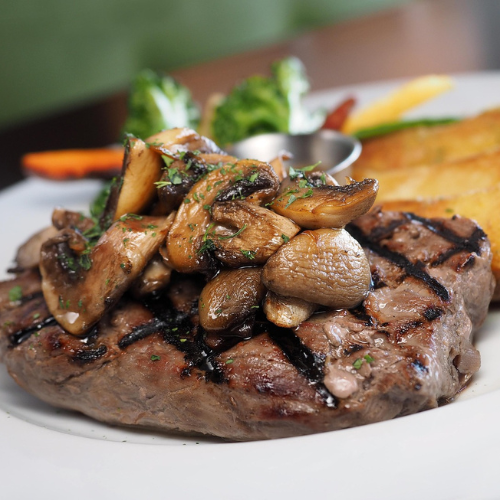
That said, most culinary historians and butchers today point to the boneless ribeye — specifically from the front end of the rib section, between the sixth and twelfth ribs — as the most legitimate modern interpretation of the Delmonico cut. Here’s why:
The rib section of the cow produces some of the most generously marbled, flavor-rich beef on the entire animal. A boneless ribeye cut from this area, sliced at least 1 to 1.5 inches thick, fits all the historical descriptions of a Delmonico steak: abundant intramuscular fat, a tender texture, rich beefy flavor, and a size that looks commanding on a plate. When Ranhofer’s Epicurean describes the steak, the measurements and location on the carcass are most consistent with this interpretation.
However, you’ll also encounter the name applied to the following cuts, particularly in specific regional traditions:
- Chuck Eye Steak — sometimes called “the poor man’s ribeye,” the chuck eye sits just adjacent to the rib section and shares much of its marbling. Some Midwest butchers have long used “Delmonico” for this cut, particularly when it’s cut thick.
- Boneless Top Loin (New York Strip) — in parts of the Northeast, some restaurants have historically applied the Delmonico name to a thick-cut strip steak, emphasizing that the name signals preparation and quality more than anatomy.
- Bone-In Ribeye — a thicker, bone-in presentation that some steakhouses prefer for the additional flavor the bone contributes during cooking.
- Spencer Steak — a term used in some Western states that’s considered synonymous with a boneless ribeye and is sometimes also called a Delmonico.
The safest working definition for home cooks and diners is this: a Delmonico steak is a thick-cut, well-marbled boneless ribeye, cut between 1 and 2 inches thick, cooked to medium-rare with a well-developed crust. That’s what the name means in most contemporary restaurant contexts, and that’s what we’ll be cooking in this guide.
Delmonico vs. Ribeye: What’s the Difference?
If a Delmonico is essentially a boneless ribeye, are they interchangeable? For most practical purposes at home, yes — but there are a few distinctions worth understanding.
A ribeye is a broad category that includes steaks from the entire rib section (ribs 6–12), in both bone-in and boneless forms, and can range in thickness from a relatively thin 3/4-inch to a theatrical 3-inch cowboy cut. A Delmonico, when used precisely, refers more specifically to a boneless steak cut from the front end of the rib section — ribs 6 through 9 — where the ribeye cap muscle (the spinalis dorsi) is at its most developed and the marbling is especially dense.
The ribeye cap, or spinalis, is widely considered the most flavorful muscle on the entire animal. It’s the curved piece of richly marbled meat that wraps around the outside of a ribeye, separated from the main eye by a seam of fat. When you buy steaks from the front of the rib section, you get more of it. This is one reason why Delmonico-style cuts from that specific part of the rib are so prized.
Thickness is also part of the distinction. While you can order a thin ribeye, a proper Delmonico is almost always cut at a minimum of 1 inch — and more often 1.25 to 1.5 inches. The thickness isn’t vanity; it directly affects how the steak cooks, allowing a proper crust to develop before the interior overcooks, and giving the steak enough thermal mass to stay juicy throughout.
In short: all Delmonicos (in the classic sense) are ribeyes, but not all ribeyes are Delmonicos. The name implies a specific location on the rib section, a meaningful thickness, and a certain expectation of quality and presentation.
What to Look for When Buying a Delmonico Steak
Whether you’re shopping at a specialty butcher, a high-end grocery store, or online from a mail-order beef company, knowing what to look for will make the difference between an ordinary steak and an exceptional one.
Thickness
Ask for at least 1.25 inches, ideally 1.5 inches. If the steaks in the case are pre-cut thinner than that, ask the butcher to cut one for you. Most will happily oblige, and a freshly cut steak is almost always superior to one that’s been sitting in the display case.
Marbling
Look for steaks with abundant fine white lines of intramuscular fat running throughout the meat — not just a cap of fat around the edges. This internal marbling is what melts during cooking to baste the steak from within, producing that deep, buttery richness the Delmonico is known for. More marbling is almost always better for this cut.
USDA Grade
For a Delmonico-style steak, aim for at least USDA Choice, and USDA Prime if the budget allows. Prime beef, which constitutes only about 5–8% of all graded beef in the United States, carries the highest degree of marbling and represents the closest thing to the quality standard Delmonico’s would have held itself to in its golden era. Wagyu or American Wagyu are also spectacular options for this preparation.
Color and Freshness
Fresh beef should be a deep cherry red. A brownish tinge isn’t necessarily a sign of spoilage — it can simply indicate oxidation from exposure to air — but brilliant red is what you want. Avoid any steak with grey patches or an off smell.
Dry-Aged vs. Wet-Aged
If you can find a dry-aged Delmonico or ribeye (typically aged 21–45 days), the concentrated, nutty, complex flavor it develops is worth every extra dollar. Wet-aged beef — the standard in most supermarkets — is perfectly good, but dry-aging adds a dimension of flavor that’s difficult to describe until you’ve experienced it firsthand.
How to Cook a Delmonico Steak: The Definitive Method
The Delmonico steak’s richness and thickness call for a specific approach: high heat, confident technique, and restraint with seasonings. This cut has enough flavor of its own that the cook’s job is really just to unlock it — not to compete with it.
Choosing Your Cooking Method
For a Delmonico steak at home, two methods rise above the rest: the cast iron pan-sear and the reverse sear. The direct pan-sear is faster and delivers a deeply caramelized crust in one continuous process. The reverse sear (low oven first, then sear) gives you more even doneness edge-to-edge and is worth considering for steaks over 1.5 inches thick.
For most Delmonico cuts in the 1 to 1.25-inch range, the direct cast iron sear with an oven finish is the classic, reliable method — and it’s the approach we’ll cover in the recipe below.
Seasoning Philosophy
A great Delmonico steak needs very little. Salt, pepper, and time are your primary tools. Season the steak generously with kosher salt at least 45 minutes before cooking — or up to 24 hours ahead if you refrigerate it uncovered. This dry-brining draws surface moisture out, which then gets reabsorbed, seasoning the interior and creating a drier surface for better browning. Add freshly cracked black pepper just before it goes into the pan.
The Importance of Temperature
Remove the steak from the refrigerator 30–45 minutes before cooking. A cold steak placed into a hot pan creates a steep temperature gradient that makes even cooking much harder. Allowing the steak to approach room temperature at the center gives you a much narrower window to manage between a perfect crust and a properly cooked interior.
The Butter Baste
One of the defining characteristics of a classically prepared Delmonico is the butter baste — what French kitchens call arroser. As the steak sears in a cast iron pan, you add butter, crushed garlic, and fresh herbs (thyme and rosemary work beautifully), then tilt the pan and continuously spoon the foaming, herb-infused butter over the top surface of the steak. This accelerates cooking on the top side, adds layers of flavor, and produces a steak with a glossy, mahogany finish that looks like it came straight out of a professional kitchen. Because it did — you just happen to be the professional.
Delmonico Steak Recipe (Pan-Seared with Herb Butter)
Yield: 2 servings | Prep Time: 45 minutes (or up to 24 hrs dry-brine) | Cook Time: 15–18 minutes | Rest Time: 5–8 minutes
Ingredients
- 2 boneless ribeye (Delmonico) steaks, 1 to 1.5 inches thick (12–16 oz each)
- 1½ teaspoons kosher salt
- 1 teaspoon freshly cracked black pepper
- 1 tablespoon avocado oil or refined grapeseed oil (high smoke-point)
- 3 tablespoons unsalted butter
- 3 cloves garlic, crushed but not peeled
- 3 sprigs fresh thyme
- 1 sprig fresh rosemary
- Flaky sea salt (Maldon or fleur de sel), for finishing
Optional Compound Butter (Make Ahead)
- 4 tablespoons softened unsalted butter
- 1 tablespoon fresh parsley, finely chopped
- 1 teaspoon fresh chives, finely chopped
- ½ teaspoon garlic, minced to a paste
- ½ teaspoon lemon zest
- ¼ teaspoon kosher salt
Instructions
Step 1: Dry-Brine the Steaks
Pat the steaks completely dry with paper towels. Season generously on all sides — top, bottom, and the edges — with kosher salt. Place on a wire rack set over a rimmed baking sheet and refrigerate uncovered for at least 45 minutes, or up to 24 hours. If dry-brining overnight, the surface will look slightly tacky by morning — that’s exactly what you want. Remove from the refrigerator 30–45 minutes before cooking to take the chill off.
Step 2: Make the Compound Butter (Optional but Recommended)
If using compound butter, combine softened butter with parsley, chives, garlic paste, lemon zest, and salt in a small bowl. Mix until fully incorporated. Roll in plastic wrap to form a log and refrigerate until firm. Slice into rounds just before serving. This can be made up to a week ahead.
Step 3: Preheat Your Oven and Pan
Preheat your oven to 400°F (205°C). Place a large cast iron skillet over high heat on the stovetop for 3–4 full minutes until it’s screaming hot and just beginning to smoke. Meanwhile, apply freshly cracked black pepper to the steaks — the salt is already in from the dry-brine, so all you need now is pepper.
Step 4: Sear the First Side
Add the oil to the preheated pan and swirl to coat. Carefully lay the steaks away from you into the pan. Press down firmly with tongs to ensure full contact between the meat and the pan surface — no air gaps. Sear without moving for 2.5 to 3 minutes, until a deep mahogany crust has formed. If the steak is sticking, it’s not ready — a properly seared steak releases naturally when the crust has set.
Step 5: Flip and Butter-Baste
Flip the steaks. Immediately add butter, crushed garlic, thyme, and rosemary to the pan. As the butter melts and begins to foam, tilt the pan slightly toward you and use a large spoon to continuously scoop the foaming butter over the top of the steaks. Baste continuously for 60–90 seconds. The steaks should now have a beautiful golden crust on the seared side with the herbed butter pooling around and over the top.
Step 6: Finish in the Oven
Transfer the cast iron skillet directly to the preheated 400°F oven. Cook until the internal temperature reaches your target doneness. Use an instant-read thermometer inserted through the side of the steak (not top-down) into the thickest point. For medium-rare, pull at 130°F; for medium, pull at 140°F. This oven finish typically takes 3–6 minutes depending on thickness.
Step 7: Rest and Finish
Transfer steaks to a cutting board or warm plate and rest for 5–8 minutes. Do not skip this step — the internal temperature will climb another 3–5°F during resting (carryover cooking), and the muscle fibers will relax, allowing juices to redistribute throughout the steak rather than pooling on your cutting board. Finish with a pinch of flaky sea salt. If using compound butter, place a round on each steak just before serving so it melts into the crust.
Step 8: Serve Immediately
A Delmonico steak is best served whole, not pre-sliced, so the full drama of the crust and the pink interior is visible when the diner cuts into it at the table. Serve alongside classic accompaniments (suggestions below) and a bold red wine.
Internal Temperature Guide for Delmonico Steak
| Doneness | Pull from Oven/Pan at | Final Resting Temp | Visual Description |
| Rare | 115–120°F | 120–125°F | Cool, deep red throughout; very soft to touch |
| Medium-Rare ⭐ | 125–128°F | 130–135°F | Warm red center; the classic, recommended choice for Delmonico |
| Medium | 135–138°F | 140–145°F | Warm pink center; slightly firmer texture |
| Medium-Well | 145–148°F | 150–155°F | Very slightly pink; noticeably drier |
| Well Done | 155°F+ | 160°F+ | No pink; firm throughout. Not recommended for this cut. |
Note: Medium-rare is the strongly recommended doneness for a Delmonico/ribeye cut. The significant marbling requires sufficient heat to begin rendering, but cooking past medium causes the fat to render out entirely, leaving the steak dry and coarse rather than rich and supple.
Classic Side Dishes to Serve with Delmonico Steak
A steak this rich and flavorful deserves sides that balance rather than compete with it. The original Delmonico’s restaurant served its steaks with accompaniments that have themselves become American classics — many of which were actually invented or popularized in that very kitchen.
Delmonico Potatoes. Yes, this is a real dish with a direct link to the restaurant. Delmonico potatoes are a creamy, rich scalloped potato casserole — sliced potatoes baked in a cream sauce with cheese, often topped with breadcrumbs for a golden crust. They were a Delmonico’s signature side dish and remain one of the most elegant potato preparations in the American cookbook. If you’re cooking a Delmonico steak, this is the historically appropriate companion.
Creamed Spinach. A steakhouse classic for a reason. The richness of cream and the slight bitterness of spinach provide a perfect counterpoint to the fattiness of a ribeye-style steak. Finish with a grating of fresh nutmeg for a touch of warmth.
Asparagus with Brown Butter. Simply roasted or pan-seared asparagus drizzled with brown butter and finished with lemon juice is an ideal vegetable side — light enough not to overwhelm the steak, elegant enough to match its company.
A Classic Wedge Salad. Crisp iceberg, blue cheese dressing, crispy bacon, and cherry tomatoes — a steakhouse institution. The cold crunch and tangy dressing provide textural and flavor contrast that cuts right through the steak’s richness.
Caramelized Mushrooms. Slowly cooked cremini or shiitake mushrooms in butter with a splash of brandy or dry sherry are an umami-rich topping that amplifies the savory depth of the beef rather than distracting from it.
Wine Pairing. A Delmonico steak calls for a bold, structured red wine. A California Cabernet Sauvignon, a Napa Valley Merlot, an Argentine Malbec, or a Bordeaux-style blend all work beautifully. The tannins in these wines interact with the protein and fat in the beef, making both the steak and the wine taste better together than they would separately.
Frequently Asked Questions About Delmonico Steak
Is a Delmonico steak the same as a ribeye?
In most modern usage, yes — a Delmonico steak is typically a boneless ribeye, usually cut from the front end of the rib section and at least 1 inch thick. However, because “Delmonico” isn’t a USDA-standardized cut designation, you may encounter the name applied to other well-marbled cuts including chuck eye, strip steak, or bone-in ribeye depending on the region and the butcher.
Why is it called a Delmonico steak?
The name comes from Delmonico’s Restaurant in New York City, which operated from 1827 and is widely credited as America’s first fine dining restaurant. The steak served there — a thick, quality cut prepared with classic technique — became so associated with the establishment’s prestige that “Delmonico steak” entered the culinary vocabulary as a shorthand for a high-quality, generously cut beef steak. The exact cut has evolved and varied over time, but the name retains its connotation of quality and tradition.
How thick should a Delmonico steak be?
A true Delmonico steak should be cut to at least 1 inch in thickness, with 1.25 to 1.5 inches considered the ideal range. This thickness is not arbitrary — it allows the steak to develop a full, deep crust on the outside while the interior climbs to the correct temperature without overcooking. Thinner steaks cook through too quickly to achieve that balance.
Should you marinate a Delmonico steak?
Generally, no. A well-marbled Delmonico-style ribeye has enough natural flavor and fat that marinades are more likely to mask its quality than enhance it. Salt (in the form of a dry-brine applied well before cooking) is the only seasoning the cut truly needs, with pepper added just before the sear. If you want additional flavor, focus on the butter baste and a good compound butter at the end rather than a marinade at the beginning.
Can you grill a Delmonico steak?
Absolutely. Grilling over a very hot charcoal or gas grill is a legitimate and delicious approach, particularly in the summer months. Get your grill grates as hot as possible, oil the grates lightly (not the steak), and sear for 3–4 minutes per side without moving, then shift to indirect heat to finish to temperature. The grill will add a light smokiness that complements the beef’s natural richness beautifully.
What’s the difference between a Delmonico and a Spencer steak?
A Spencer steak is a regional term used primarily in the western United States — particularly in California — for a boneless ribeye steak, often specifically from the front rib section. The two terms describe essentially the same cut and can be used interchangeably in most contexts. Regional naming conventions for beef cuts are surprisingly varied across the country; “Spencer” and “Delmonico” are two of the most common alternate names for what is fundamentally a boneless ribeye.
Is Delmonico steak expensive?
It depends on where you buy it and what grade you select. A USDA Choice boneless ribeye from a well-stocked grocery store is accessible on most budgets, particularly if you’re buying for two. USDA Prime, dry-aged, or Wagyu-grade Delmonico steaks from a specialty butcher or high-end online retailer will cost significantly more — but the quality difference is substantial. For a special occasion meal at home, even a premium Delmonico steak is considerably less expensive than ordering one at a top steakhouse.
The Bottom Line
The Delmonico steak is, in many ways, a piece of American culinary mythology — a name that carries more history than most dishes get to claim, attached to a cut of beef that has proven resilient enough to mean something to every generation that has ordered it.
What it means today is something wonderful: a thick, generously marbled boneless ribeye, treated with the respect good beef deserves, cooked to medium-rare with a dark crackling crust, finished in herb-infused butter, and rested just long enough to pull itself together before landing on a warm plate.
It doesn’t require a 19th-century Manhattan dining room to taste extraordinary. It requires good beef, a screaming-hot cast iron pan, and the patience not to rush the process. Do those things right, and you’ll understand exactly why the Delmonico name has survived nearly two centuries of American food culture without losing an ounce of its appeal.
Tried this recipe? We’d love to hear how it turned out — drop a comment below and let us know! Rate the recipe, share a photo on Instagram, and tag us so we can see your Delmonico masterpiece. And if you’re hungry for more steak knowledge, check out our guide to reverse searing thick cuts and our breakdown of the best cast iron skillets for home cooks.