
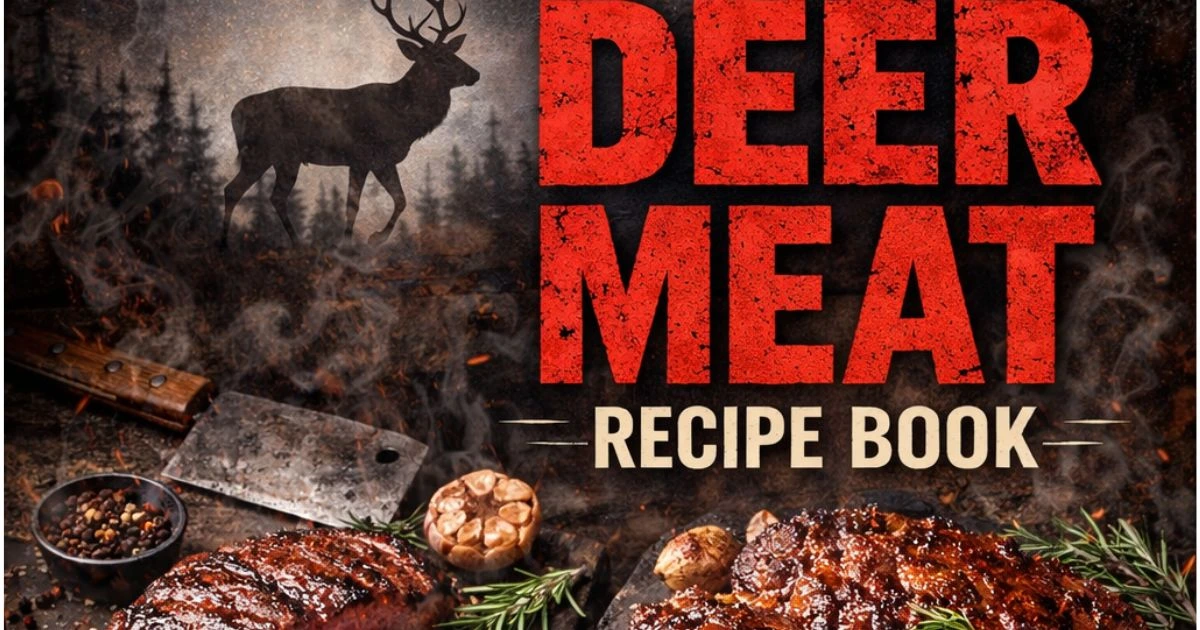
Discover what to look for in a deer meat recipe book, plus expert tips on venison preparation, butchering basics, and must-try recipes that transform your harvest into unforgettable meals.
If you’ve ever stood in your kitchen staring at a beautiful venison roast, wondering what to do with it beyond a basic stew, you are not alone. Deer hunting produces some of the leanest, most flavorful wild game available — yet many hunters and home cooks never move past a handful of familiar dishes. A well-crafted deer meat recipe book can change everything. Whether you’re a first-time hunter or a seasoned outdoorsperson looking to elevate your table game, the right cookbook becomes your most trusted companion from field to fork.
In this guide, we’ll walk you through what makes a great venison cookbook, what key recipes to look for, and how to make the most of every cut on the animal.
Why Deer Meat Deserves a Dedicated Cookbook
Venison is not just a substitute for beef — it’s a completely different culinary experience. It is higher in protein, lower in fat, and carries a depth of flavor that store-bought meat simply cannot replicate. But that leanness is also why deer meat can go wrong so quickly in the kitchen. Unlike marbled beef, venison has very little intramuscular fat to forgive overcooking, which means technique matters enormously.
A dedicated deer meat recipe book addresses these nuances in ways that a general wild game cookbook often cannot. The best ones open with an entire section on understanding the animal itself — explaining how field dressing, aging, and butchering all affect the final flavor on your plate. This kind of foundational knowledge is what separates a recipe collection from a true culinary education.
What to Look for in a Quality Venison Cookbook
Not all hunting cookbooks are created equal. Before investing in one, here’s what separates the truly useful guides from the forgettable ones.
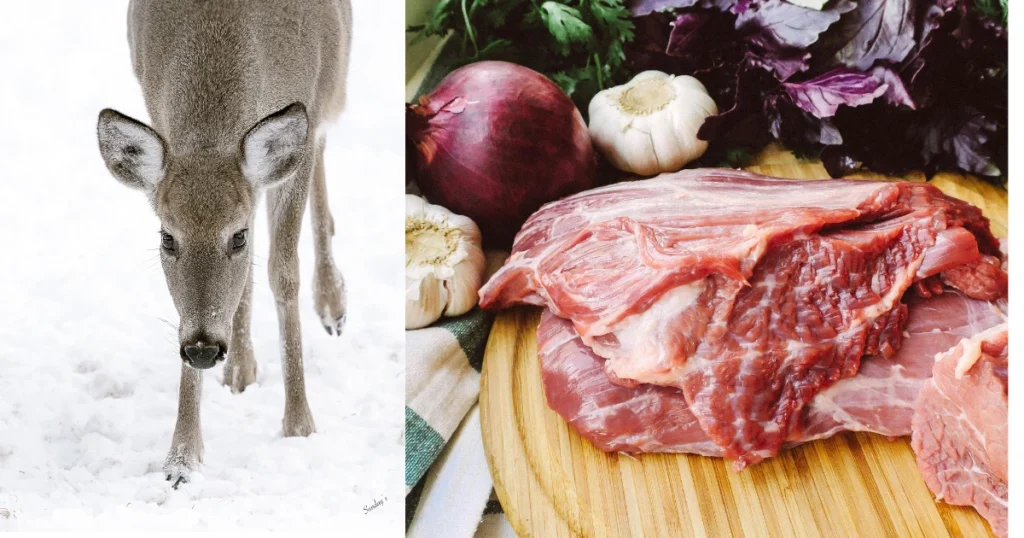
Complete Cut Coverage A trustworthy deer meat recipe book covers every cut of the animal, from the coveted backstrap and tenderloin to the often-ignored shanks, neck roast, and heart. Many hunters discard cuts they simply don’t know how to prepare, which is both a culinary and ethical waste. Look for a book that treats the whole animal with equal respect.
Technique-Forward Writing Great venison cooking is about method as much as ingredients. A recipe that simply says “cook until done” is useless with lean wild game. The best cookbooks explain why you sear at high heat, why you rest the meat, and why a marinade with acid helps tenderize tougher cuts.
Seasonal and Regional Awareness Deer harvested in October in the upper Midwest tastes different from deer taken in January in the South. The best recipe books acknowledge this, offering guidance on how the animal’s diet and season affect its flavor profile — and how to adjust your cooking accordingly.
Everyday Recipes Alongside Special Occasion Dishes You’ll want a book that helps you make a quick weeknight venison stir-fry just as confidently as a slow-braised venison osso buco for a dinner party. Range and accessibility matter.
Essential Recipes Every Deer Meat Recipe Book Should Include
Backstrap Perfection
The backstrap — the long muscle running along either side of the spine — is the most sought-after cut on a deer. It should be treated simply. A great recipe involves a quick sear in a cast iron skillet with butter, garlic, and fresh thyme, finished in the oven to a perfect medium-rare. Anything past 135°F and you risk losing the tenderness that makes this cut so special.
Low-and-Slow Venison Shoulder Roast
The shoulder is a working muscle, which means it is tough if cooked fast and transcendent if cooked slow. A braised venison shoulder with root vegetables, red wine, and juniper berries requires patience but rewards it tenfold. This is the kind of dish that converts skeptics into venison believers at the dinner table.
Venison Burger with Fat Additions
Because deer meat is so lean, ground venison benefits from the addition of fat — typically beef tallow, pork fat, or even bacon — at a ratio of about 80/20. A good recipe book will explain this ratio clearly and offer creative burger builds that highlight rather than hide the venison’s natural flavor.
Heart and Organ Recipes
The heart is arguably the most underrated cut on the entire animal. Sliced thin, marinated briefly, and seared hot and fast, venison heart has a clean, mild flavor that many people prefer to conventional cuts. Any deer meat recipe book worth its salt devotes at least a few pages to organs, helping hunters make full use of their harvest.
Venison Sausage and Charcuterie
Ground venison lends itself beautifully to sausage-making. Breakfast sausage, Italian links, smoked summer sausage, and venison jerky are all staples that extend your harvest throughout the year. Look for books that include curing ratios, spice blends, and basic smoking techniques.
Venison Tacos and Global Flavors
Modern venison cooking has moved well beyond the hunting lodge. Today’s best recipe books explore how deer meat pairs with global flavor profiles — Korean-inspired bulgogi venison lettuce wraps, Mexican-style birria de venado, or North African chermoula with venison skewers. These recipes broaden the appeal of wild game for the whole family.
Tips for Cooking Deer Meat Successfully
Even the best recipe is only as good as the preparation behind it. Here are a few principles that elevate every venison dish.
Age Your Meat Properly aging venison — either in the field or in a dedicated cooler — allows enzymes to break down muscle fibers and develop flavor. Even a short aging period of 5–7 days at refrigerator temperature makes a noticeable difference in tenderness.
Remove the Silver Skin Silverskin is the thin, pearlescent connective tissue that doesn’t break down with heat. Unlike collagen, it turns chewy and unpleasant. Take the time to trim it away before cooking any tender cuts.
Don’t Overcook It This cannot be stressed enough. Venison is best served medium-rare to medium on tender cuts (125–135°F internal temperature). For tougher braising cuts, cook low and slow until the collagen has fully broken down into gelatin — usually 3 to 4 hours at around 300°F.
Embrace Bold Accompaniments Because venison has a slightly gamey, mineral-forward flavor, it pairs beautifully with bold accompaniments — sour cherries, blackberries, root vegetables roasted until caramelized, earthy mushrooms, and robust red wines. A great deer meat recipe book will suggest pairings that balance and complement rather than mask the meat’s character.
Building Your Own Deer Meat Recipe Collection
Beyond buying a single cookbook, many passionate venison cooks eventually build their own personal collection of tested, go-to recipes. Start by selecting dishes that match your skill level, then gradually work your way toward more technical preparations. Keep notes in the margins of what worked, what didn’t, and how conditions like the deer’s age or the time of year affected the outcome.
Over time, you’ll develop the kind of intuitive understanding of venison that no cookbook alone can give you — one earned through seasons of cooking and sharing meals around the table.
Final Thoughts
A thoughtfully written deer meat recipe book is one of the most valuable tools a hunter can own. It bridges the gap between a successful harvest and a truly memorable meal, turning hard work in the field into something extraordinary in the kitchen. Whether you’re shopping for your first venison cookbook or adding to a growing collection, prioritize books that respect the whole animal, explain technique with clarity, and celebrate the wild, honest flavor that makes deer meat unlike anything else.
Because at the end of the day, cooking venison well isn’t just about feeding your family — it’s about honoring the hunt.
Looking for more wild game cooking inspiration? Browse our collection of venison recipes, butchering guides, and field-to-table tips right here on the blog.