
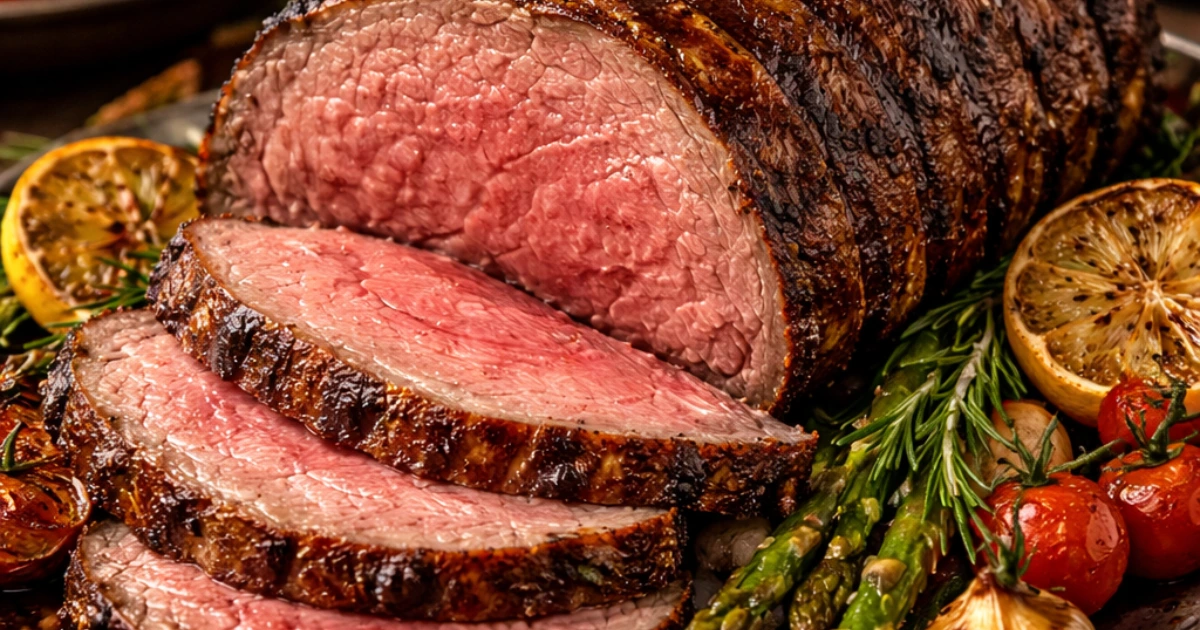
There are sandwiches you eat because you’re hungry, and then there are sandwiches you actually think about. The roast beef sandwich falls firmly into the second category. Done well — and it really can be done extraordinarily well — it’s a layered, deeply satisfying combination of tender beef, bold condiments, and bread sturdy enough to hold it all together without getting out of the way of the flavour.
The problem is that most people have only ever experienced a mediocre version of it: a few slices of deli meat wedged between soft white bread with a smear of yellow mustard. That’s fine for a weekday desk lunch, but it barely scratches the surface of what a roast beef sandwich can be. Whether you’re roasting your own beef at home, working with quality deli slices, or using leftovers from Sunday’s roast, this guide will help you build something worth remembering.
What Makes a Great Roast Beef Sandwich?
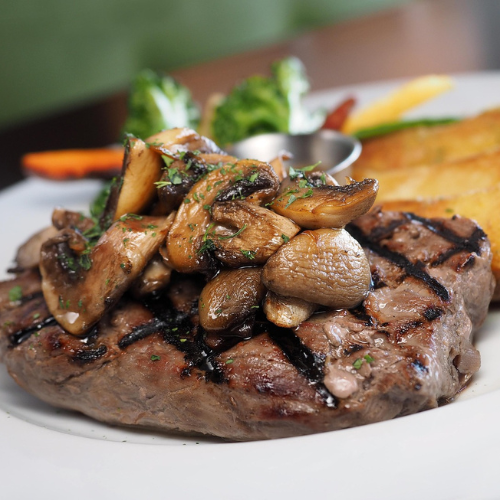
Before we dive into recipes and toppings, it’s worth understanding what separates a truly great roast beef sandwich from a forgettable one. It comes down to four things working in harmony: the beef, the bread, the sauce, and the toppings. Get all four right and you’re dealing with something genuinely special. Neglect one and the whole thing falls flat.
The beef is the star, and it needs to earn that billing. Thin-sliced, well-seasoned, properly rested beef — whether freshly roasted or sourced from a quality deli — should be the first thing you taste. It should be tender, deeply flavoured, and ideally a little pink in the middle.
The bread is the structure. It needs enough body to hold up to juicy beef and saucy condiments without dissolving, but not so much chew that it fights the filling for attention. This is a balancing act, and the right choice depends on the style of sandwich you’re building.
The sauce is where personality lives. Horseradish cream, au jus for dipping, garlic aioli, caramelised onion jam — your condiment choice fundamentally shapes the character of the sandwich.
The toppings provide contrast: something sharp, something crunchy, something fresh to cut through the richness of the beef. They’re not optional decoration. They’re functional flavour.
Choosing the Right Cut of Beef
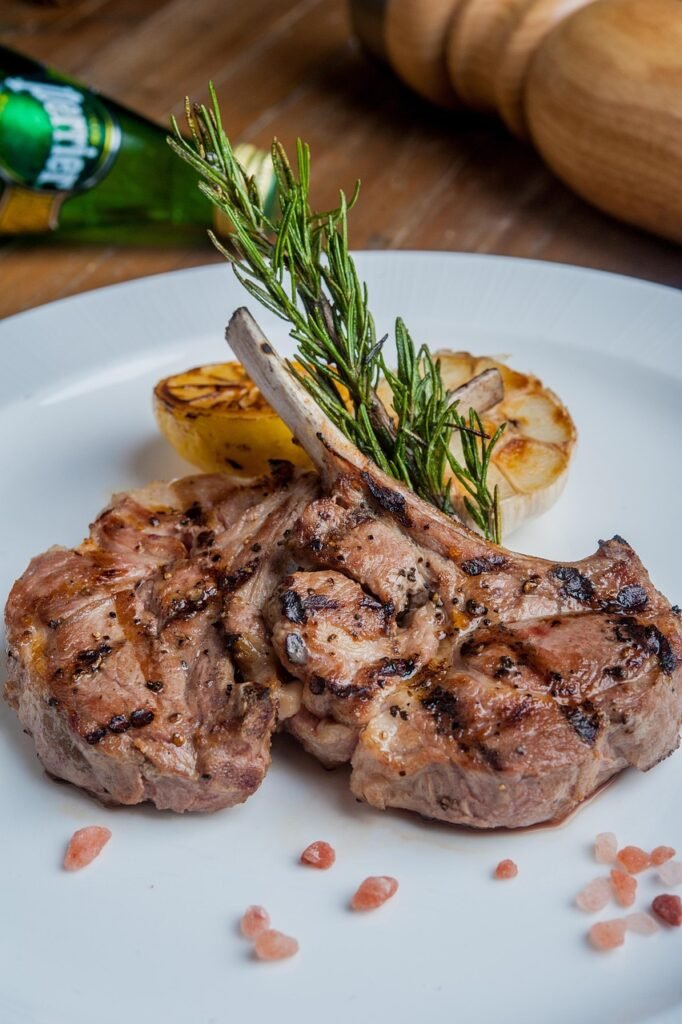
The cut you choose sets the ceiling on how good your roast beef sandwich can be. Here’s a breakdown of the most popular options and what each brings to the table:
Eye of Round
The deli-counter classic. Eye of round is lean, affordable, and slices beautifully when cooked low and slow. It’s not the most flavourful cut on its own, but with good seasoning, proper roasting, and a punchy sauce, it makes an excellent everyday roast beef sandwich. Its leanness means it can dry out if overcooked — medium-rare is non-negotiable.
Top Round (Topside)
Slightly more flavourful than eye of round, with a little more marbling. Top round is the workhorse choice for home roasters who want quality without breaking the budget. It roasts well and slices cleanly after a proper rest.
Sirloin Tip (Knuckle)
A step up in flavour from the round cuts, sirloin tip has enough fat distribution to stay moist and develop good beefy character during roasting. It costs a little more but rewards you with noticeably better flavour in the finished sandwich.
Ribeye or Prime Rib
The luxury option. Sliced ribeye or leftover prime rib makes a transcendent roast beef sandwich — rich, well-marbled, and deeply flavoured. If you ever find yourself with prime rib leftovers, cold-sliced in a sandwich with horseradish cream is one of the finest ways to eat them.
Brisket (Flat Cut)
Low-and-slow braised or smoked brisket takes the roast beef sandwich in a smokier, more barbecue-adjacent direction. The flat cut, thinly sliced, is a revelation on a toasted brioche bun with pickles and mustard.
How to Roast Beef at Home for Sandwiches
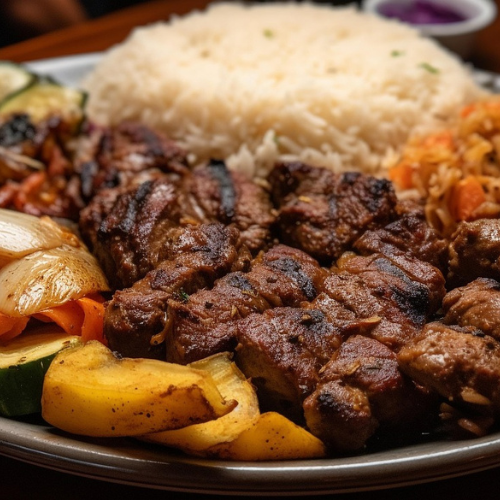
Roasting your own beef for sandwiches is not difficult, and the results are so dramatically better than most store-bought deli meat that it’s absolutely worth doing when you have the time. Here’s a reliable method using top round or eye of round that yields beautiful, thinly-sliceable roast beef with a flavourful crust.
Ingredients (serves 6–8 sandwiches)
- 1.2–1.5 kg (2.5–3.3 lbs) top round or eye of round roast
- 2 tbsp olive oil
- 1.5 tsp kosher salt
- 1 tsp freshly cracked black pepper
- 1 tsp garlic powder
- 1 tsp onion powder
- 1 tsp smoked paprika
- ½ tsp dried thyme
Instructions
Step 1: Season in advance. Pat the roast completely dry with paper towels. Combine the salt, pepper, garlic powder, onion powder, smoked paprika, and thyme. Rub the olive oil all over the beef, then press the spice mixture evenly onto all surfaces. For the best results, let the seasoned roast sit uncovered on a rack in the fridge for at least 4 hours — overnight is better. This dry brine seasons deeply and helps the surface dry out for better browning.
Step 2: Come to room temperature. Remove the roast from the fridge 45–60 minutes before cooking. Cold beef at the centre takes longer to cook through, making it harder to hit your target internal temperature without overcooking the exterior.
Step 3: High-heat sear. Preheat your oven to 230°C (450°F). Place the roast on a rack in a roasting pan and cook for 15 minutes. This initial blast of heat creates a flavourful, caramelised crust.
Step 4: Low and slow finish. Reduce the oven temperature to 120°C (250°F) without opening the door. Continue roasting until a meat thermometer inserted into the thickest part reads 54–57°C (130–135°F) for medium-rare. Depending on the size of your roast, this takes 60–90 minutes. Start checking at the one-hour mark.
Step 5: Rest properly. This step is non-negotiable. Tent the roast loosely with foil and rest for at least 20–30 minutes before slicing. Resting allows the internal juices to redistribute; cut too early and they pour out onto the board, leaving you with drier meat.
Step 6: Slice thin. For sandwiches, thin is always better. Use a sharp carving knife or, ideally, an electric slicer, cutting against the grain of the muscle fibres. Thin slices are more tender, easier to eat in a sandwich, and allow you to pile generously without the filling becoming impossible to bite through.
Pro tip for deli-style cold beef: Once the roast is fully cooled, wrap it tightly in cling film and refrigerate. Cold beef slices far more thinly than warm beef. Chill overnight and you’ll achieve nearly deli-counter-thin slices with a sharp knife.
The Best Bread for a Roast Beef Sandwich
Bread is the foundation of the whole operation, and the wrong choice can undermine even excellent beef. Here’s how to match your bread to your style:
French baguette or demi baguette. The crackling crust provides textural contrast and the chewy crumb holds up well to juicy beef. A classic French dip with au jus calls for a baguette almost by default. The crust can be a bit hard on the roof of your mouth — slightly toasting the cut sides helps.
Ciabatta. Open-crumbed, slightly chewy, and sturdy enough for saucy fillings. The irregular holes catch condiments and juices in a way that makes every bite a little different. Excellent toasted.
Sourdough. Tangy sourdough brings its own acidity to the party, which balances the richness of beef beautifully. Thick-sliced and toasted is the way to go.
Kaiser roll or hard roll. The deli standard for good reason. A kaiser roll is the right size for a generous portion of beef, has enough structure to hold it together, and toasts well. It’s the bread of New York deli counters and it earns its reputation.
Brioche bun. Soft, slightly sweet, and rich — brioche works particularly well with brisket-style roast beef or when the sandwich is headed in a more indulgent, dressed-up direction. The sweetness plays nicely against salty beef and tangy pickles.
Hoagie or sub roll. The classic for the French dip and for loaded, filling-heavy sandwiches. A good hoagie roll has a soft interior and enough structural integrity to survive being dipped in au jus without immediately disintegrating.
What to avoid: Overly soft, pre-sliced sandwich bread (the beef and condiments will overwhelm it) and anything with so thick a crust that it lacerated the inside of your mouth with every bite. The bread should support the filling, not overshadow it.
Sauces and Condiments for Roast Beef Sandwiches
The right sauce is transformative. Here are the best options, from classic to creative:
Horseradish Cream
The traditional companion to roast beef, and for good reason. The sharp, peppery heat of horseradish cuts through the richness of the beef in a way nothing else quite does. To make a simple version at home, stir together 3 tablespoons of prepared horseradish, 3 tablespoons of sour cream or crème fraîche, 1 teaspoon of Dijon mustard, a small squeeze of lemon juice, and salt to taste. Make it at least 30 minutes ahead so the flavours meld.
Au Jus (For French Dip)
A thin, flavourful beef broth made from the roasting drippings (or from scratch with beef stock, a little Worcestershire, and seasonings) served warm alongside or poured over the sandwich. The French dip — roast beef on a hoagie with a ramekin of au jus for dipping — is one of the great American sandwich inventions.
Dijon Mustard
Sharp, punchy, and endlessly compatible with beef. Dijon mustard is one of those condiments that performs reliably in almost any roast beef sandwich context. Whole-grain mustard is a worthy variation with a more textured, complex character.
Garlic Aioli
A rich, garlicky mayonnaise that turns a roast beef sandwich into something bistro-worthy. Particularly good when combined with arugula and shaved Parmesan for an Italian-inspired take.
Caramelised Onion Jam
Sweet, deeply savoury, and sticky — caramelised onion jam is a revelation on a roast beef sandwich. It takes time to make (at least 45 minutes of patient stirring), but a jar in the fridge elevates everything from sandwiches to cheeseboards. Combine it with a sharp cheese and some peppery rocket and you’ve got a genuinely extraordinary sandwich.
Blue Cheese Spread
Bold beef needs a bold partner, and blue cheese delivers. Mash together some Gorgonzola or Roquefort with a little cream cheese to make it spreadable, then use in place of (or alongside) your usual condiment. Not for everyone, but for those who love it, there’s nothing better.
Best Toppings for a Roast Beef Sandwich
Toppings are where you build contrast, and contrast is what keeps a sandwich interesting beyond the first three bites. Every great roast beef sandwich has at least one element each of sharpness, crunch, and freshness:
Cheese. Provolone is the deli classic — mild enough not to overpower the beef but melty and creamy when warm. Swiss cheese brings a nutty sweetness. Sharp cheddar adds a tangy bite. For something more adventurous, try aged Gruyère or a shaved Pecorino. If you’re toasting or warming the sandwich, let the cheese melt directly onto the beef.
Caramelised onions. Slow-cooked until jammy and sweet, caramelised onions transform the flavour profile of the entire sandwich. They add umami depth and a sweetness that balances salty, savoury beef. Worth the effort every time.
Pickles. The acidity of a good dill pickle does essential work in a roast beef sandwich, cutting through fat and richness to refresh the palate between bites. Bread-and-butter pickles offer a sweeter note, while cornichons add a sharp, briny punch. Pickled red onions are a more modern option — quick to make at home and stunning in both colour and flavour.
Arugula (rocket). Peppery, slightly bitter, and wilting-resistant compared to softer lettuces, arugula is the best green for a roast beef sandwich. It adds freshness without going limp the moment it meets warm beef.
Roasted red peppers. Sweet, smoky, and jammy, roasted peppers add colour and a gentle sweetness that complements beef beautifully. Use store-bought or roast your own under the broiler.
Tomato. A thick slice of ripe, in-season tomato needs nothing but a little salt. Out of season, skip it entirely — a watery, flavourless tomato actively makes a sandwich worse.
Fried or crispy onions. Crunchy, salty, and deeply savoury — crispy fried onions are a textural revelation on a roast beef sandwich. Either fry thinly sliced onions yourself or keep a container of the ready-made variety on hand.
Three Roast Beef Sandwich Recipes to Build Right Now
1. The Classic Deli-Style Roast Beef Sandwich
Simple, straightforward, and deeply satisfying — this is the sandwich that earns its reputation.
Toast a kaiser roll or sourdough slices until golden. Spread the bottom generously with horseradish cream and the top with Dijon mustard. Layer on 150–200g (5–7 oz) of thinly sliced roast beef. Top with two slices of provolone (warm briefly under a broiler to melt if desired), thin-sliced dill pickles, and a handful of arugula. Close, press gently, and slice on the diagonal. Serve with chips or a simple green salad.
2. The French Dip
One of the most iconic sandwiches in American food history — roast beef, melted Swiss, and warm au jus for dipping.
For the au jus, combine 500ml of good-quality beef stock with 1 tablespoon of Worcestershire sauce, a crushed garlic clove, ½ teaspoon of soy sauce, and a pinch of dried thyme. Simmer for 10 minutes, strain, and keep warm. Briefly dip the sliced beef in the warm au jus to heat through. Load a lightly toasted hoagie roll with the beef, top with sliced Swiss cheese, and toast under the broiler until the cheese is bubbling. Serve immediately with the au jus in a small bowl on the side for dipping.
3. The Gourmet Roast Beef Sandwich with Caramelised Onions & Blue Cheese
This one is for a weekend when you want to put in a little extra effort and eat something genuinely spectacular.
Caramelise two large onions in butter over low heat for 45 minutes until deeply golden and jammy. Season with a splash of balsamic vinegar and a pinch of thyme. Toast thick slices of sourdough. Spread one side with a blue cheese spread (Gorgonzola blended with a little cream cheese), the other with Dijon mustard. Layer on generously sliced roast beef, a spoonful of the caramelised onions, a handful of arugula, and a few shavings of Parmesan. Drizzle lightly with extra virgin olive oil, close, and press firmly before cutting. This sandwich earns its place at a dinner table.
How to Use Leftover Roast Beef for Sandwiches
Sunday roast beef is delicious. Monday’s leftover roast beef sandwich might actually be better. Cold, rested beef slices more cleanly than fresh-from-the-oven meat, and the flavour has had time to develop and settle. Here’s how to make the most of it:
Slice the cold leftover beef as thinly as possible against the grain. If you have any leftover pan drippings or gravy, gently warm those separately to use as a dipping sauce or to briefly heat the beef slices in. Build your sandwich with any of the toppings and sauces above. Leftover roast beef is particularly well-suited to the French dip format, where a well-made au jus compensates for any slight loss in freshness from the reheating.
If the beef has dried out slightly in the fridge, a quick dip in warm au jus for 30 seconds is all it takes to bring it back to life.
Roast Beef Sandwich FAQs
What is the best cheese for a roast beef sandwich?
Provolone is the deli-counter classic and a safe default. Swiss or Gruyère adds nutty sweetness. Sharp cheddar brings a tangy edge. For something more adventurous, blue cheese is outstanding but polarising. The answer ultimately depends on your other toppings — if the sandwich is already rich, a milder cheese like provolone lets the beef stay in the spotlight.
How do I keep a roast beef sandwich from getting soggy?
A few strategies help: toast the bread to create a moisture-resistant barrier; apply condiments to both cut surfaces of the bread (they act as a buffer between the bread and wet ingredients); layer the lettuce or arugula directly against the bread rather than against the beef; and avoid adding tomatoes to sandwiches you’re making ahead. If building in advance, wrap tightly and keep refrigerated, but plan to eat within a few hours.
Can I make roast beef sandwiches ahead of time?
Yes, with some caveats. Build the sandwich but keep wet ingredients (tomatoes, pickles) separate until serving. Wrap completed sandwiches in parchment paper or cling film, not foil, which can make the bread sweat. They’ll hold well in the fridge for up to 4 hours. For longer storage, keep components separate and assemble to order.
What temperature should roast beef be for sandwiches?
For slicing ease and flavour, cook roast beef to an internal temperature of 54–57°C (130–135°F) for medium-rare, which yields the most tender, juicy, and pink-centred result. Medium (60–63°C / 140–145°F) is also excellent and is more widely acceptable. Well-done roast beef (70°C+ / 160°F+) tends to be dry and less flavourful — generally not ideal for sandwich use.
How much roast beef do I need per sandwich?
For a satisfying but not overwhelming sandwich, 150–180g (5–6 oz) of thinly sliced beef per serving is about right. For a generously loaded deli-style sandwich, go up to 200–220g (7–8 oz). If your beef is thickly sliced rather than deli-thin, err toward the lower end — thick slices are harder to bite through and less pleasant to eat in a sandwich.
Final Thoughts
The roast beef sandwich has a reputation as something simple and unpretentious, and in many ways that’s exactly what makes it so enduringly satisfying. It doesn’t demand theatrical technique or obscure ingredients. It asks for quality beef, decent bread, a well-chosen condiment, and a few thoughtful toppings — and it rewards each of those decisions generously.
Whether you’re roasting your own beef on a lazy Sunday afternoon, raiding the fridge for Monday leftovers, or picking up quality deli slices on the way home from work, the framework here gives you everything you need to build something genuinely worth eating. Start with the classic deli version, master it, then start exploring. The French dip is waiting. So is the caramelised onion and blue cheese version. So, eventually, is a prime rib sandwich cold from the fridge at midnight, and honestly, that might be the best one of all.
Tried one of these recipes? We’d love to hear about it — drop a comment below with your go-to roast beef sandwich build, or tell us the one topping combination you swear by!