
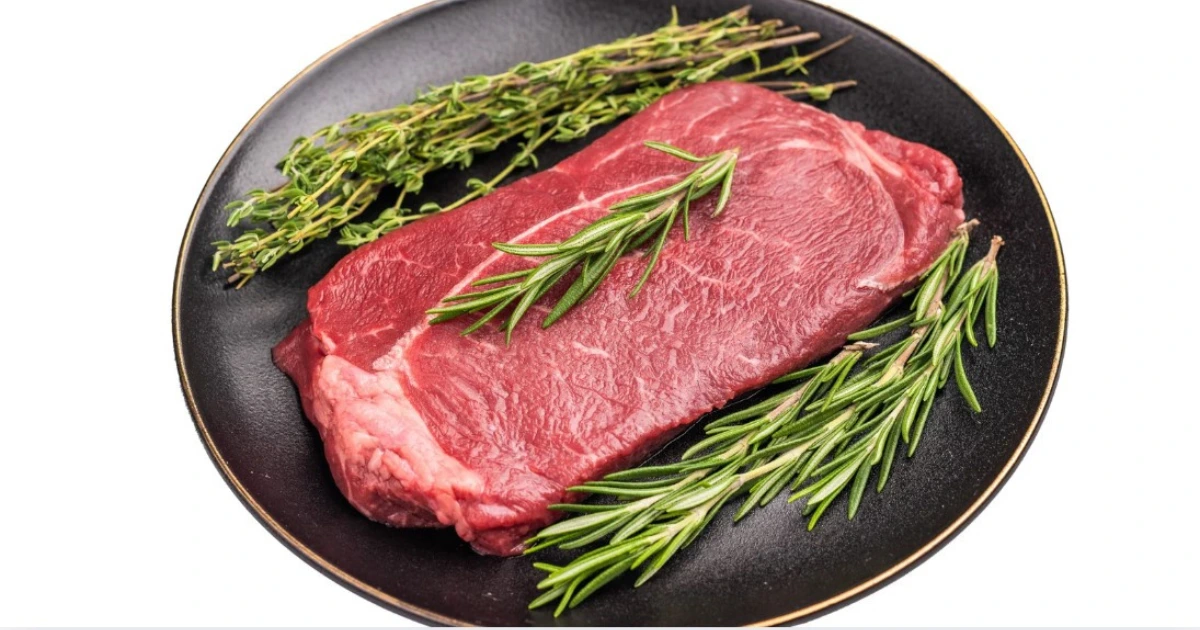
Top sirloin steak sits in a sweet spot that most home cooks overlook: it’s leaner than a ribeye, more affordable than a filet, and — when treated correctly — every bit as satisfying as either. Whether you’re firing up the grill on a summer weekend or searing indoors on a cold Tuesday night, mastering top sirloin is one of the best skills you can add to your kitchen repertoire.
In this guide you’ll learn exactly what top sirloin is (and what it isn’t), how to pick a great one at the store, the best ways to season and cook it, and how to build a complete meal around it. No fluff, no filler — just the practical knowledge you need to put a genuinely great steak on the table tonight.
What Is Top Sirloin Steak?
The sirloin is a large primal cut that sits at the rear of the cow, between the short loin (where New York strips and T-bones come from) and the round (a tougher section used for roasts). Within the sirloin primal there are two distinct muscles:
- Top sirloin — the upper portion, closer to the loin, where the meat is more tender and well-marbled.
- Bottom sirloin — the lower, larger portion that includes cuts like tri-tip and ball-tip roasts. These are tougher and better suited to slow cooking or thin slicing.
When a recipe or a butcher refers to “sirloin steak,” they almost always mean top sirloin. It’s sold boneless, typically cut between ¾ inch and 1½ inches thick, and carries a modest amount of intramuscular fat that gives it a clean, beefy flavor without the richness of a ribeye.
On the USDA grading scale, look for Choice or Prime top sirloin for the best eating experience at home. Select grade will be noticeably leaner and can dry out quickly during cooking.
Top Sirloin vs. Other Steaks: How Does It Compare?
Understanding where top sirloin fits in the steak landscape helps you decide when to use it and how to cook it.
| Cut | Tenderness | Flavor | Best Cooking Method | Approx. Price |
|---|---|---|---|---|
| Filet Mignon | ⭐⭐⭐⭐⭐ | Mild, buttery | Pan-sear, broil | $$$$ |
| Ribeye | ⭐⭐⭐⭐ | Rich, fatty | Grill, cast iron | $$$ |
| New York Strip | ⭐⭐⭐⭐ | Bold, beefy | Grill, cast iron | $$$ |
| Top Sirloin | ⭐⭐⭐ | Clean, meaty | Grill, broil, marinade | $$ |
| Flank Steak | ⭐⭐ | Intense, gamey | Quick sear + slice thin | $$ |
The takeaway: top sirloin punches above its price point. It has real beef flavor — none of the mild blandness you sometimes get with leaner cuts — and it’s forgiving enough for weeknight cooking.
How to Choose a Top Sirloin Steak at the Store
Not all top sirloin steaks are created equal. Here’s what to look for when you’re standing at the meat counter:
1. Color
Fresh top sirloin should be a vibrant cherry-red on the outside. If the meat is brown or gray throughout (not just on the surface from packaging), pass on it. A little surface browning from oxygen exposure is normal and harmless, but deep discoloration signals age.
2. Marbling
Even though top sirloin is relatively lean, you want to see fine white threads of fat running through the muscle. These strands melt during cooking and baste the meat from the inside. A steak that looks completely uniform red with no fat threads at all will likely taste dry.
3. Thickness
Aim for steaks that are at least 1 inch thick, and ideally 1¼ to 1½ inches. Thin steaks (under ¾ inch) overcook before they develop any crust. Thickness gives you control.
4. Grade
USDA Choice is the sweet spot for top sirloin — widely available, reasonably priced, and noticeably better than Select. If your store carries Prime top sirloin, it’s worth the splurge for a special occasion.
5. Fresh vs. Previously Frozen
Fresh is ideal, but high-quality flash-frozen sirloin (common at warehouse stores) can be excellent. Avoid steaks that have been thawed and sitting in the case for more than a day or two.
The Best Way to Season Top Sirloin Steak
Top sirloin has a naturally assertive beef flavor that doesn’t need much help. The classic approach is almost always the best one.
The Classic Dry Season
Apply kosher salt generously to both sides of the steak — about ½ teaspoon per pound — at least 45 minutes before cooking, or up to 24 hours ahead if you can refrigerate it uncovered. Salt draws moisture to the surface, which then gets reabsorbed back into the meat along with the dissolved salt. The result is a steak seasoned all the way through, not just on the outside.
Add freshly cracked black pepper right before the steak hits the pan or grill. Pepper can turn acrid if it sits on the raw meat too long with salt.
A Simple Dry Rub
If you want to build more complexity without a marinade, this dry rub works beautifully on top sirloin:
- 1 tsp kosher salt
- ½ tsp coarse black pepper
- ½ tsp garlic powder
- ¼ tsp smoked paprika
- ¼ tsp onion powder
- Pinch of cayenne (optional)
Mix and apply 30 minutes to an hour before cooking. Pat the steak dry before seasoning — moisture is the enemy of a good crust.
When to Use a Marinade
Marinades shine on top sirloin because the cut’s moderate toughness responds well to the tenderizing effects of acid (citrus juice, vinegar, wine) and enzymes (pineapple, papaya). A good marinade for top sirloin includes:
- An acid: Worcestershire sauce, soy sauce, balsamic vinegar, or citrus juice
- An oil: Olive oil or neutral oil to help carry flavors and prevent sticking
- Aromatics: Garlic, fresh herbs (rosemary, thyme), or ginger
- A sweetener (optional): Honey or brown sugar for caramelization
Marinate top sirloin for 2 to 8 hours in the refrigerator. Beyond 8 hours, the acid begins to break down surface proteins in a way that creates a mushy, unappealing texture.
How to Cook Top Sirloin Steak: 4 Methods
The right cooking method depends on your equipment, the weather, and how you want to spend your evening. All four methods below work well with top sirloin.
Method 1: On the Grill (Best Overall)
Grilling is the most popular way to cook top sirloin, and for good reason. High, direct heat creates the charred exterior and smoky flavor that make steak feel like an event.
- Preheat your grill to high heat (450–500°F). Clean and oil the grates.
- Pat the steak dry and season generously.
- Place the steak over direct heat. Don’t move it for the first 3–4 minutes. Let the crust develop.
- Flip once and cook another 3–4 minutes for medium-rare on a 1-inch steak.
- Use a thermometer — pull the steak at 125°F for medium-rare, 130°F for medium.
- Rest for 5 minutes before slicing.
Tip: For thicker steaks (1½ inches or more), use a two-zone setup — sear over direct heat, then move to indirect heat to finish to your target temperature.
Method 2: Cast Iron Sear (Best for Indoors)
A well-seasoned cast iron skillet produces a crust that rivals a grill, and you can do it in any weather.
- Heat a dry cast iron skillet over high heat for 3–5 minutes until it’s smoking slightly.
- Pat the steak completely dry. Add a thin film of high-smoke-point oil (avocado, grapeseed, or refined coconut) to the pan — not the steak.
- Lay the steak away from you into the pan. Sear for 3–4 minutes without moving.
- Flip, then add 2 tablespoons of butter, 2 smashed garlic cloves, and a few sprigs of fresh thyme.
- Tilt the pan slightly and baste the steak continuously with the foaming butter for 2–3 minutes.
- Pull at 125°F for medium-rare and rest on a rack for 5 minutes.
Method 3: Broiling
Broiling is the oven’s closest approximation to grilling — intense heat from above creates a good crust without any special equipment.
- Position your oven rack so the steak will be 3–4 inches below the broiler element.
- Preheat the broiler for at least 10 minutes. Use a cast iron pan or broiler pan.
- Broil the steak for 4–5 minutes per side for a 1-inch steak cooked to medium-rare.
- Watch it closely — broiler heat varies widely by oven.
Method 4: Reverse Sear (Best for Thick Cuts)
For steaks 1½ inches or thicker, the reverse sear method produces edge-to-edge even doneness with a dramatic crust.
- Place the seasoned steak on a wire rack set over a baking sheet.
- Cook in a 250°F oven until the internal temperature reaches 110°F (about 25–35 minutes).
- Remove from the oven and let rest for 10 minutes while you heat a cast iron skillet until it’s ripping hot.
- Sear the steak for 1–2 minutes per side to build a deep, mahogany crust.
- Rest for 5 minutes and serve.
Steak Doneness Temperature Guide
| Doneness | Pull Temp (°F) | Final Temp After Rest (°F) | Description |
|---|---|---|---|
| Rare | 115–120°F | 120–125°F | Deep red center, very soft |
| Medium-Rare | 125–130°F | 130–135°F | Warm red center, ideal for top sirloin |
| Medium | 130–135°F | 135–145°F | Pink center, slightly firmer |
| Medium-Well | 140–145°F | 145–155°F | Mostly gray, beginning to dry out |
| Well Done | 155°F+ | 160°F+ | Gray throughout, not recommended for sirloin |
For top sirloin specifically, medium-rare to medium is the sweet spot. Because it’s a leaner cut, cooking beyond medium results in noticeable chewiness and dryness. If you or your guests prefer a more done steak, a marinade beforehand helps retain moisture.
The Step Everyone Skips: Resting Your Steak
Resting is not optional. When meat hits intense heat, its muscle fibers contract and push moisture toward the center. Cutting into a steak straight off the heat floods your cutting board with juice that should be in your mouth.
Give a top sirloin steak at least 5 minutes of rest — 8 minutes for thicker cuts — tented loosely with foil. The fibers relax, reabsorb moisture, and the carryover cooking finishes the job. The difference in a properly rested steak is not subtle.
How to Slice Top Sirloin for Maximum Tenderness
Top sirloin is a moderately muscular cut, which means slicing it correctly matters more than it does for a filet or ribeye.
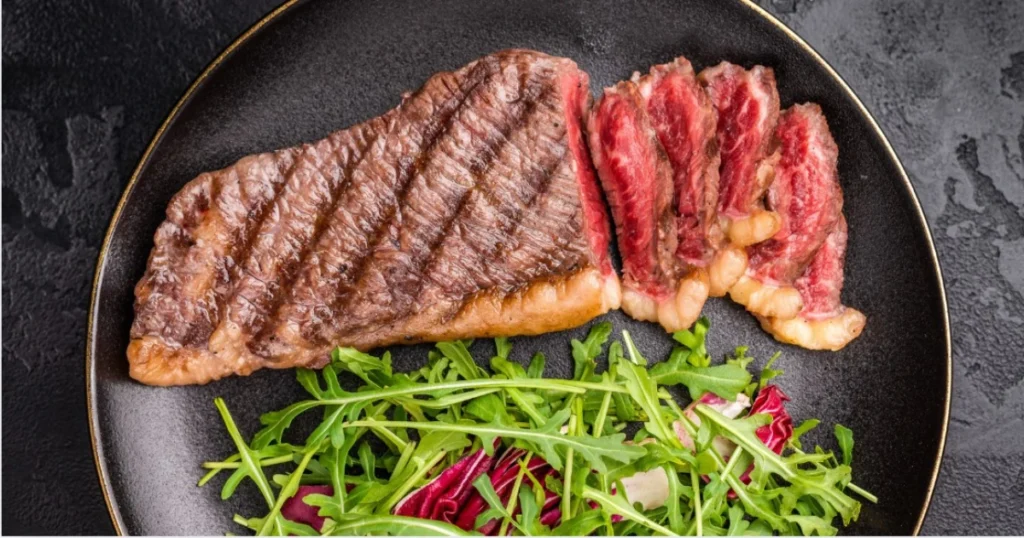
Always slice against the grain — perpendicular to the direction the muscle fibers run. Look for the lines in the meat and cut across them, not parallel to them. Slicing against the grain shortens those tough fibers into bite-size lengths, making each piece dramatically more tender on the chew.
For a whole top sirloin steak served at the table, cut it into ½-inch strips on a slight diagonal against the grain. This technique is especially important if you’ve marinated and cooked the steak for tacos, grain bowls, or salads.
Top Sirloin Steak Recipe Ideas
Top sirloin’s versatility makes it one of the most useful cuts in the kitchen. Here are five ways to put it to work:
1. Classic Grilled Top Sirloin with Herb Butter
Salt, pepper, high heat, and a pat of compound butter (softened butter mixed with garlic, parsley, and a squeeze of lemon) melted over the finished steak. Simple and unforgettable.
2. Asian-Inspired Sirloin Stir-Fry
Slice the raw steak thin against the grain, marinate briefly in soy sauce, sesame oil, and ginger, then cook in a screaming-hot wok with broccoli, snap peas, and bell peppers. Done in 15 minutes.
3. Steak Tacos
Marinate top sirloin in lime juice, cumin, garlic, and chipotle. Grill or sear, slice thin, and serve in warm corn tortillas with charred scallions, avocado crema, and a scattering of cotija cheese.
4. Steak Salad with Blue Cheese and Pickled Onions
Slice a medium-rare top sirloin over arugula, roasted cherry tomatoes, and quick-pickled red onions. Finish with crumbled blue cheese and a simple red wine vinaigrette. A complete meal in one bowl.
5. Steak and Egg Grain Bowl
Build a bowl with farro or brown rice as the base, top with sliced sirloin, a soft-poached egg, sautéed mushrooms, and a drizzle of chimichurri. Great for brunch or meal prep.
What to Serve with Top Sirloin Steak
The right sides balance the richness of the steak without competing with it. A few proven pairings:
- Roasted garlic mashed potatoes — creamy and comforting, perfect for soaking up resting juices
- Grilled asparagus with lemon zest — brightness and slight bitterness cut through the beef’s richness
- Crispy roasted Brussels sprouts — the caramelized, slightly bitter edges contrast beautifully with savory steak
- Chimichurri or salsa verde — herb-forward sauces provide acidity and freshness that lifts the whole plate
- A simple green salad with red wine vinaigrette — especially useful when the steak is the star and you don’t want to overload the plate
Common Top Sirloin Mistakes (And How to Avoid Them)
❌ Cooking it straight from the fridge
A cold steak dropped into a hot pan cooks unevenly — the outside overcooks before the center reaches temperature. Take your steak out of the refrigerator 30–45 minutes before cooking to take the chill off.
❌ Skipping the dry surface
Moisture is the enemy of a crust. Pat your steak with paper towels immediately before it goes into the pan or onto the grill. Any surface moisture will steam the meat instead of searing it.
❌ Moving the steak too much
A steak that’s constantly flipped and poked never develops a proper crust. Place it, leave it, and don’t touch it until it releases naturally from the grill or pan surface — that’s how you know the crust has formed.
❌ Using the wrong oil
Olive oil has a lower smoke point than many cooking fats. Use avocado oil, grapeseed oil, or clarified butter (ghee) for high-heat searing. Save the olive oil for finishing.
❌ Overseasoning a marinade
Soy sauce-heavy marinades can make top sirloin aggressively salty. Taste your marinade before adding the steak, and if it’s very salty, consider reducing or skipping any added salt in the dry season.
Frequently Asked Questions About Top Sirloin Steak
Is top sirloin a good cut of steak?
Absolutely. Top sirloin offers excellent beef flavor at a more accessible price than premium cuts like ribeye or filet. It responds well to marinades, grills beautifully, and is versatile enough for everything from a weeknight dinner to weekend entertaining.
How long should I marinate top sirloin steak?
Two to eight hours is the ideal window for top sirloin. Less than two hours doesn’t give the flavors time to penetrate the meat; more than eight hours and the acid in the marinade starts breaking down the surface proteins in a way that creates an unpleasant mushy texture.
What is the difference between top sirloin and sirloin tip?
Top sirloin comes from the sirloin primal and is a relatively tender, flavorful steak cut. Sirloin tip (also called round tip) actually comes from the round primal — a tougher, leaner area of the cow. Sirloin tip is generally best for slow roasting or braising, not quick high-heat cooking.
Can you cook top sirloin in the oven?
Yes. The reverse sear method (low oven at 250°F, then a hot sear in a cast iron pan) produces excellent results, especially for thicker cuts. Broiling is another solid oven option for top sirloin.
How do I keep top sirloin from being tough?
Three things: don’t overcook past medium, always slice against the grain, and consider a brief marinade with an acidic component. Top sirloin cooked to medium-rare and sliced correctly is genuinely tender — cooking it well-done will make any cut of beef tough.
Final Thoughts
Top sirloin steak is one of the best values in the butcher case, and it deserves more love than it typically gets. It has the clean, unambiguous beef flavor that makes steak worth eating, it responds to both simple seasoning and bold marinades, and it works in enough different preparations to keep things interesting week after week.
Get the temperature right, rest it properly, slice against the grain — and you’ll put a steak on the table that holds its own against cuts twice the price. That’s not a compromise. That’s cooking smart.
Have a favorite way to cook top sirloin? Drop it in the comments below — we’d love to hear what’s working in your kitchen.