
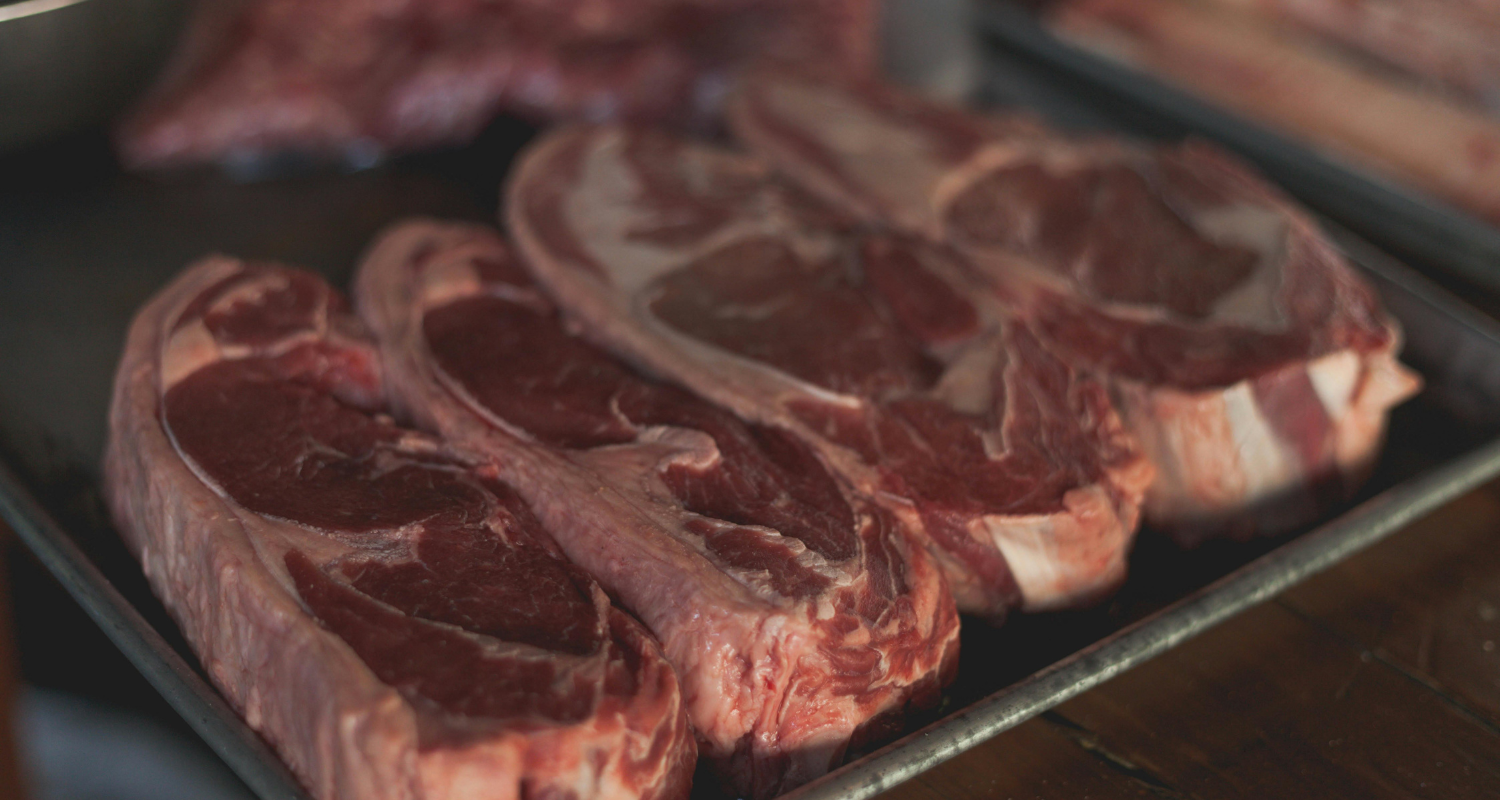

If you’ve ever asked yourself ‘what temp for medium rare steak?’ — you’re not alone. Achieving that perfect pink center with a juicy, buttery texture is the holy grail of home cooking. Whether you’re grilling on a summer evening or searing indoors on a cast-iron skillet, getting the internal temperature right is the single most important factor between a perfect steak and an overcooked disappointment.
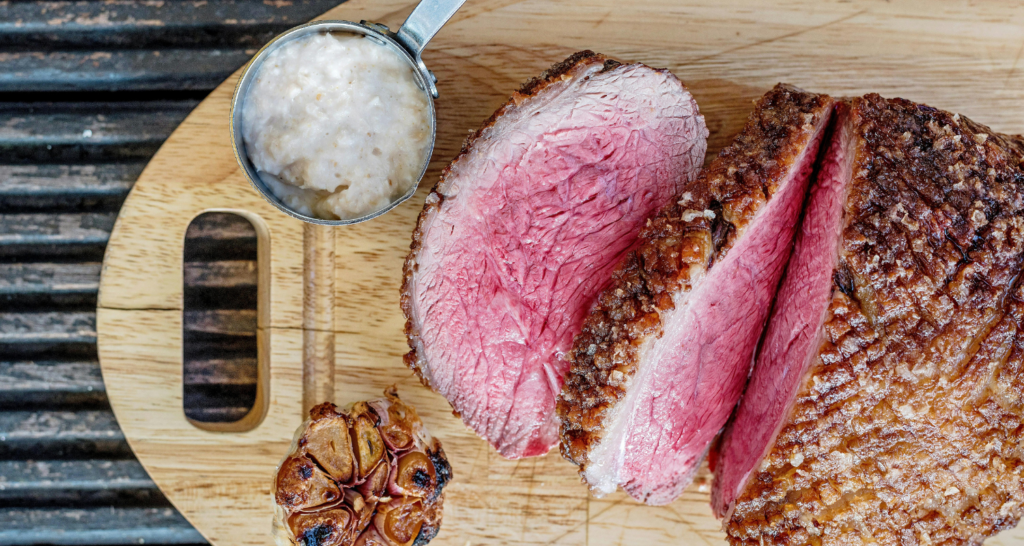
In this comprehensive guide, you’ll learn the exact medium rare steak temperature, how to use a meat thermometer, step-by-step cooking methods, ingredient lists, and expert tips that will transform your steak game forever.
What Temperature Is Medium Rare Steak?
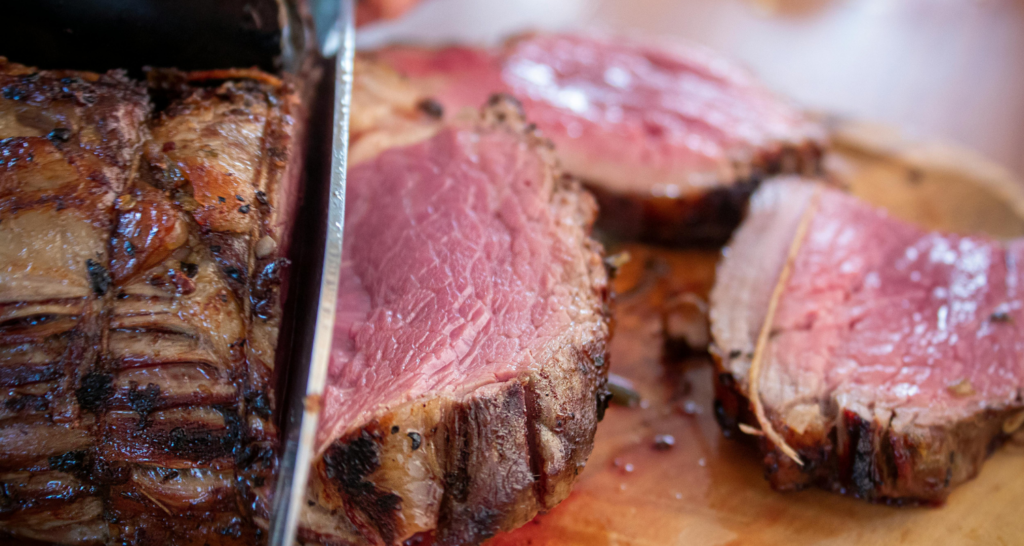
The USDA and culinary professionals agree: the ideal internal temperature for a medium rare steak is between 130°F and 135°F (54°C – 57°C). At this temperature, the steak has a warm, red-to-pink center, a tender and juicy texture, and maximum flavor.
Here’s a quick breakdown of all steak doneness levels so you can find your perfect preference:
| Doneness | Internal Temp (°F) | Internal Temp (°C) | Description |
| Rare | 120–125°F | 49–52°C | Cool red center |
| Medium Rare ⭐ | 130–135°F | 54–57°C | Warm red/pink center |
| Medium | 140–145°F | 60–63°C | Pink center |
| Medium Well | 150–155°F | 66–68°C | Slightly pink |
| Well Done | 160°F+ | 71°C+ | No pink, firm |
⭐ Medium rare is widely considered the optimal doneness for most steak cuts — it preserves the natural juices, gives the best texture, and delivers the richest beefy flavor.
Why Internal Temperature Matters More Than Time
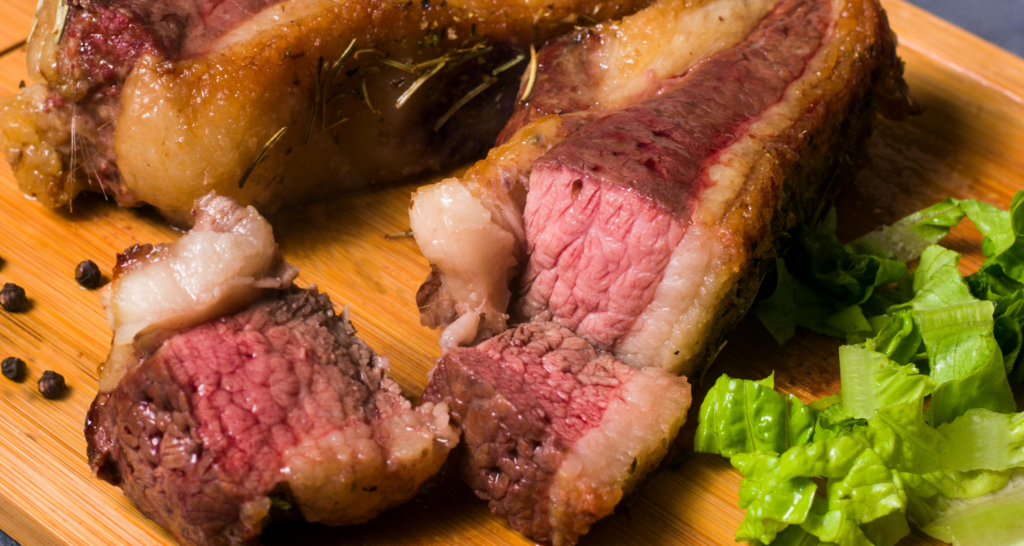
Many home cooks rely on cooking time alone — “3 minutes per side” — but this method is unreliable. Steak thickness, pan heat, starting temperature of the meat, and cut type all affect how quickly the steak cooks. Only an instant-read meat thermometer gives you certainty.
Tools You Need
- Instant-read digital meat thermometer (e.g., Thermapen, ThermoPop)
- Cast-iron skillet or grill
- Tongs (never pierce with a fork)
- Timer
- Aluminum foil for resting
�� Pro Tip: Always insert the thermometer into the thickest part of the steak, avoiding fat and bone. Read the temp at the very center for accuracy.
The Perfect Medium Rare Steak: Step-by-Step Recipes
Recipe 1: Classic Pan-Seared Medium Rare Ribeye
This is the gold-standard indoor method. A cast-iron skillet creates an extraordinary crust while the butter basting adds richness.
Ingredients
- 1 ribeye steak, 1–1.5 inches thick (about 12–16 oz)
- 1 tsp kosher salt
- 1 tsp freshly cracked black pepper
- 1 tbsp high smoke-point oil (avocado or grapeseed)
- 2 tbsp unsalted butter
- 3 garlic cloves, crushed
- 2 sprigs fresh rosemary or thyme
Instructions
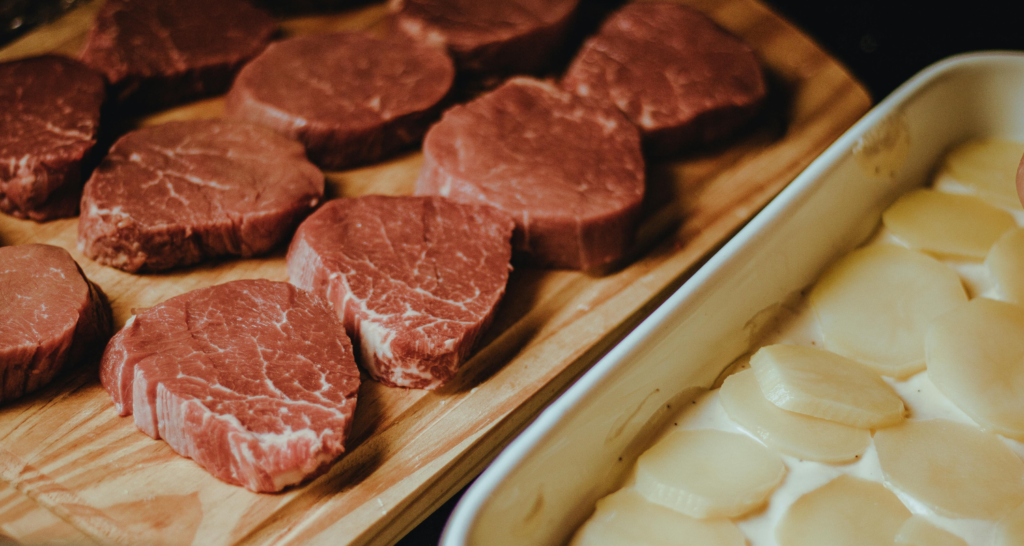
- Remove steak from the refrigerator 30–45 minutes before cooking. This allows it to reach room temperature, ensuring even cooking throughout.
- Pat the steak completely dry with paper towels. Moisture is the enemy of a good sear.
- Season generously on both sides and all edges with salt and pepper. Press the seasoning in gently.
- Heat your cast-iron skillet over high heat for 3–5 minutes until it is smoking hot. Add the oil and swirl to coat.
- Place the steak in the skillet. Do NOT move it. Sear for 2–3 minutes until a deep brown crust forms.
- Flip the steak once. Add butter, garlic, and herbs. Tilt the pan and continuously spoon the melted butter over the steak (this is called basting) for another 2–3 minutes.
- Check the internal temperature with your thermometer. Pull the steak off heat at 128–130°F — it will carryover cook to 130–135°F while resting.
- Rest the steak on a cutting board loosely tented with foil for 5 minutes minimum. This step is non-negotiable — it lets the juices redistribute.
- Slice against the grain and serve immediately.
�� Pro Tip: The carryover cooking principle means the steak continues cooking 3–5°F after you remove it from the heat. Always pull it slightly early!
Recipe 2: Grilled Medium Rare New York Strip
Grilling imparts a smoky, charred flavor that’s simply irresistible. This method works best with a two-zone fire — high heat for searing and medium heat for finishing.
Ingredients
- 1 New York strip steak, 1–1.25 inches thick
- 1.5 tsp coarse sea salt
- 1 tsp coarsely ground black pepper
- 0.5 tsp garlic powder
- 0.5 tsp smoked paprika
- 1 tbsp olive oil
- Compound butter to finish (optional but highly recommended)
Instructions
- Set up your grill with two zones: one side on high heat (450–500°F), the other on medium (300–350°F).
- Bring the steak to room temperature. Rub with olive oil, then apply the dry rub of salt, pepper, garlic powder, and paprika on both sides.
- Place steak over the high-heat zone. Grill for 2–3 minutes per side with the lid open to get beautiful grill marks.
- Move the steak to the medium-heat zone. Close the lid and cook for an additional 2–4 minutes, checking temperature regularly.
- Target internal temp: 128–130°F when you pull it off the grill. It will rise to 130–135°F during the rest.
- Rest for 5–7 minutes. Top with a pat of compound butter — it will melt luxuriously over the steak.
- Serve with grilled asparagus, baked potato, or a fresh garden salad.
Recipe 3: Reverse-Sear Filet Mignon — The Foolproof Method
The reverse sear is arguably the most reliable method for achieving a perfectly even medium rare from edge to edge. This technique is ideal for thicker steaks (1.5–2 inches). It involves slow-cooking in the oven first, then searing at the end for the crust.
Ingredients
- 2 filet mignon steaks, 1.5–2 inches thick
- 1 tsp kosher salt per steak
- 1 tsp cracked black pepper per steak
- 1 tbsp avocado oil
- 3 tbsp unsalted butter
- 4 garlic cloves
- Fresh thyme sprigs
Instructions
- Preheat your oven to 250°F (121°C). Season steaks liberally and place on a wire rack over a baking sheet.
- Slow-roast in the oven until the internal temperature reaches 115–120°F — approximately 25–45 minutes depending on thickness. Use your thermometer to check frequently.
- Remove from oven. Heat a cast-iron skillet to ripping hot (very high heat). Add oil.
- Sear each steak for 60–90 seconds per side, until a deep brown crust forms. Add butter, garlic, and thyme, and baste continuously.
- The target internal temperature is 130–135°F. With the reverse sear method, because the internal temp is already high, carryover is minimal — only 1–2°F.
- Rest for just 3 minutes (less than usual, since the slow oven process already redistributed juices), then slice and serve.
Essential Cooking Tips for Perfect Medium Rare Steak
1. Always Use a Meat Thermometer
This is the single most impactful tool for consistent results. Don’t guess based on touch or time. An instant-read thermometer removes all the guesswork and pays for itself on the first steak you don’t overcook.
2. Dry Brine Your Steak
Salt your steak and leave it uncovered in the refrigerator overnight (or at least 1 hour). The salt draws out moisture, which then gets reabsorbed, seasoning the meat deeply and helping it sear better. This simple step dramatically improves flavor.
3. Room Temperature Matters
Cold steak straight from the fridge leads to an uneven cook — gray exterior by the time the center reaches temperature. Give the steak 30–45 minutes on the counter before cooking.
4. Do Not Skip the Rest
Resting allows the muscle fibers to relax and reabsorb the juices that moved to the center during cooking. Slice too early and all those precious juices end up on your cutting board instead of in your mouth.
5. Choose the Right Cut
Medium rare works beautifully for most cuts, but some shine brighter than others at this temperature:
- Ribeye — rich, well-marbled; best at medium rare
- New York Strip — firm texture, bold flavor
- Filet Mignon — buttery tender, mild flavor
- T-Bone / Porterhouse — two cuts in one; best at medium rare
- Flank Steak — lean; must slice thin against the grain
6. Cast Iron vs. Stainless vs. Grill
Cast iron retains heat best for indoor searing and creates an outstanding crust. Stainless steel pans also work well but require more oil. The grill adds a smoky dimension. All three methods can achieve perfect medium rare — it’s about matching the tool to the experience you want.
�� Pro Tip: Use a splatter screen when searing indoors — the extremely high temperatures needed for a proper crust create significant smoke. Turn on your ventilation fan!
Common Mistakes to Avoid
- Cooking steak cold from the refrigerator — always bring to room temperature
- Moving the steak constantly in the pan — let it sit to form a crust
- Pressing down on the steak with a spatula — this squeezes out all the juices
- Using a fork to flip — always use tongs
- Slicing the steak immediately — always rest first
- Using the wrong thermometer placement — always measure the center, not the edge
- Overcrowding the pan — cook one or two steaks at a time maximum
Frequently Asked Questions
Is medium rare steak safe to eat?
Yes. Harmful bacteria live on the surface of beef, not inside it. Searing the exterior kills those bacteria. For whole cuts like steaks (not ground beef), medium rare at 130–135°F is perfectly safe for healthy adults. The USDA recommends 145°F for steaks, but the culinary community widely accepts and serves medium rare without issue.
What temp is medium rare on a thermometer?
130°F to 135°F (54°C to 57°C) is the target range for medium rare. Pull the steak at 128–130°F to account for carryover cooking during the rest period.
How long does it take to cook a medium rare steak?
For a 1-inch thick steak in a hot pan: roughly 2–3 minutes per side. For a 1.5-inch steak using the reverse sear: 25–45 minutes in the oven plus a 90-second sear. Time always varies — use a thermometer, not a clock.
Can I cook medium rare steak in the oven?
Yes! The reverse sear method (described in Recipe 3 above) is excellent for thick steaks. You can also use the broiler: broil 4–6 inches from the element for 4–5 minutes per side on a preheated broiler pan, checking temp regularly.
Conclusion: Hit 130–135°F Every Time
Now you know exactly what temp for medium rare steak — 130°F to 135°F (54°C to 57°C) — and more importantly, how to achieve it consistently. Whether you prefer the crust of a pan-sear, the smokiness of the grill, or the precision of a reverse sear, the principles are the same: use a thermometer, pull early, rest thoroughly.
Medium rare is called the “chef’s choice” for a reason. It represents the perfect balance of tenderness, juiciness, and flavor that makes a great steak truly great. Now go fire up that pan, grab your thermometer, and cook the best steak of your life.