
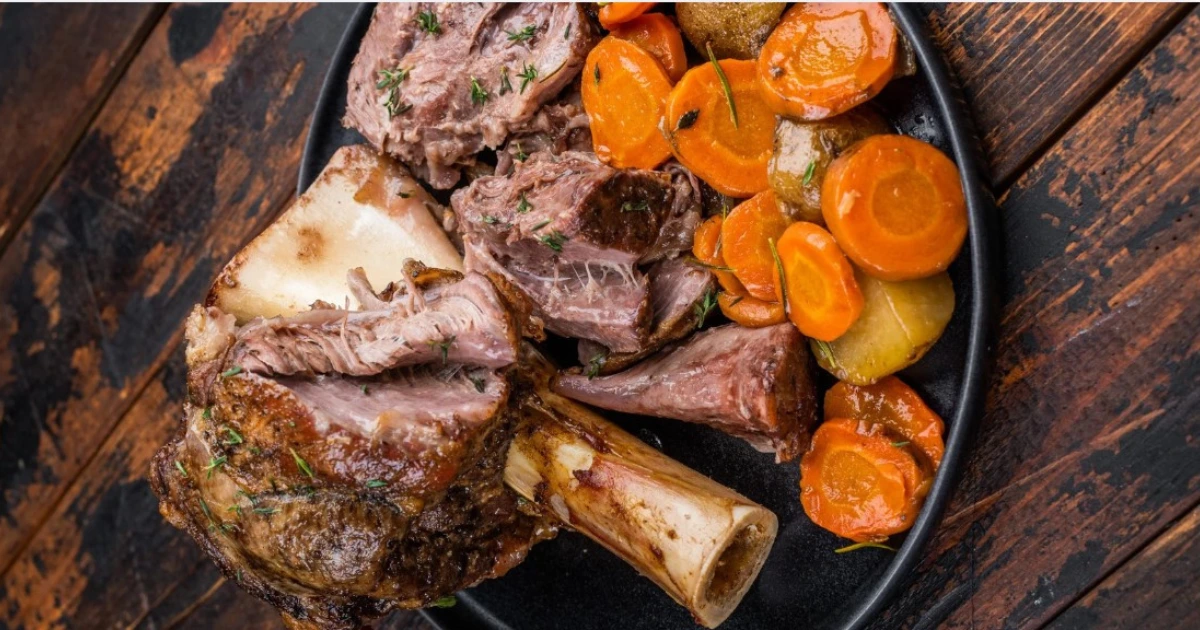

Beef Shanks Recipes:
7 Mouthwatering Ways to Cook
the Most Underrated Cut
Rich in collagen, exploding with beefy flavor, and surprisingly forgiving — beef shanks are the slow-cooker’s best-kept secret. Here’s everything you need to transform a tough cut into something deeply extraordinary.
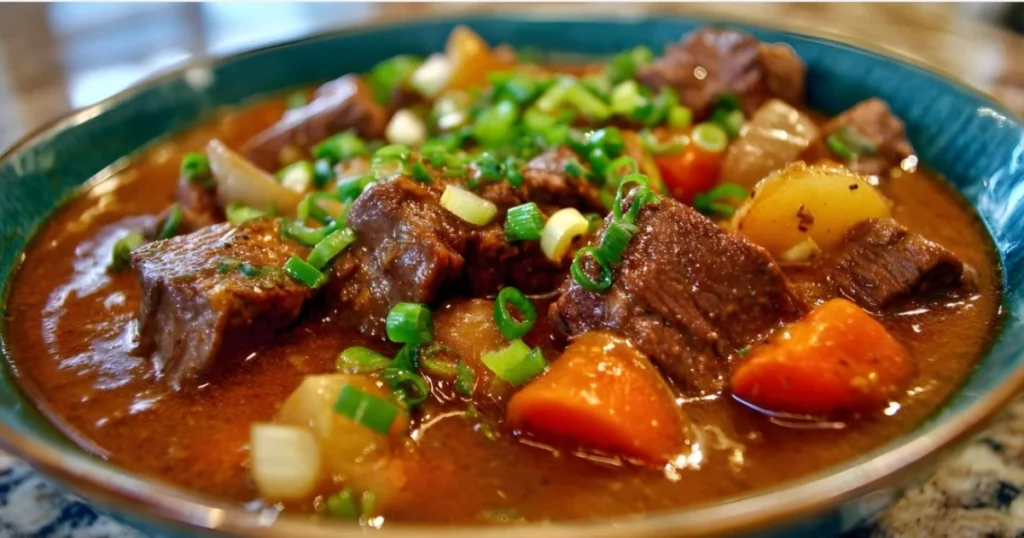
– 30 min prep + slow cook – Serves 4–6- Budget-friendly -Beginner-friendly
Jump to a Recipe
- What Are Beef Shanks? (The Basics)
- Classic Italian Osso Buco with Gremolata
- Slow Cooker Red Wine Braised Beef Shanks
- Korean Galbijjim (Braised Beef Shanks)
- Moroccan Harissa Beef Shank Tagine
- Smoked Beef Shanks with Chipotle Glaze
- Instant Pot Beef Shank Soup (Bone Broth Style)
- Herb-Crusted Oven-Braised Beef Shanks
- Expert Tips for Perfect Beef Shanks
- Frequently Asked Questions
What Are Beef Shanks — And Why Should You Cook Them?
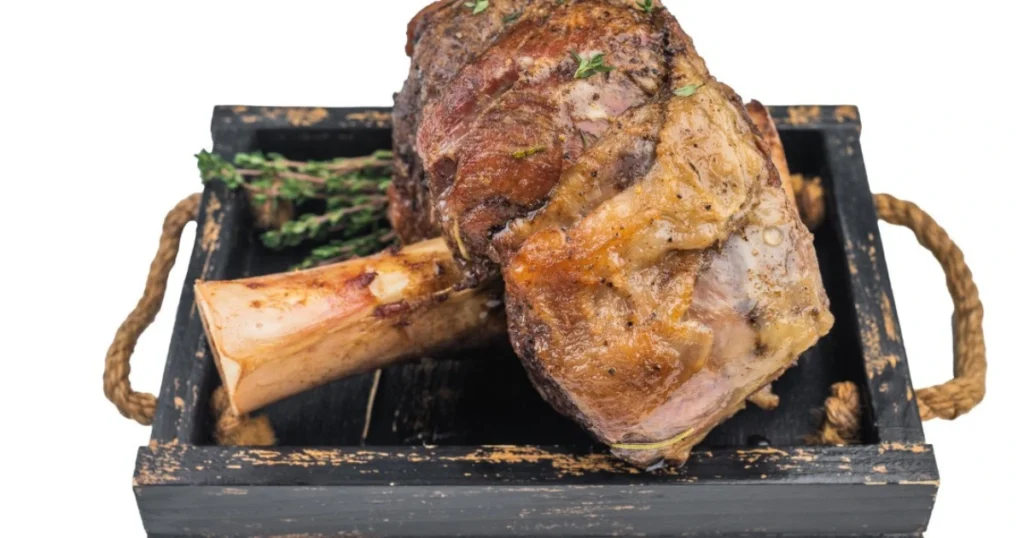
If your butcher’s case could talk, it would tell you that beef shanks are wildly underappreciated. Cut from the lower leg of the cow — a muscle that works constantly — the shank is dense, collagen-rich, and full of connective tissue that, when given time and low heat, melts into the most luxurious, silky sauce imaginable.
Unlike prime rib or ribeye, beef shanks reward patience over expense. They’re typically one of the most affordable cuts at the butcher, yet they deliver the kind of deep, complex flavor that many expensive cuts simply can’t achieve. The secret is the bone. Running through the center of each shank is a marrow-filled bone that releases incredible richness into whatever liquid you’re cooking in — turning a simple braise into something that tastes like it took days.
Cross-Cut vs. Whole Shank: What to Buy
At the market, you’ll typically find two forms. Cross-cut shanks (also called “osso buco cuts”) are sliced 1.5–2 inches thick, showing the marrow bone in a ring of meat — ideal for braising whole and serving as individual portions. Whole shanks are larger, better suited for smoking or pulling. For most home recipes, cross-cut shanks are the go-to choice: they cook more evenly, brown beautifully, and look spectacular on the plate.
1
Classic Italian Osso Buco with Gremolata
The timeless Milanese masterpiece — bright, rich, and utterly unforgettable
⏱ Prep: 25 min
🔥 Cook: 2.5–3 hrs
🍽 Serves: 4
📊 Difficulty: Medium
Osso Buco — Italian for “bone with a hole” — is the dish that made beef shanks famous worldwide. Braised in white wine, stock, and aromatics, then finished with a vibrant gremolata of lemon zest, garlic, and parsley, this is Italian comfort cooking at its finest. Serve over saffron risotto or soft polenta for a complete, restaurant-worthy meal.
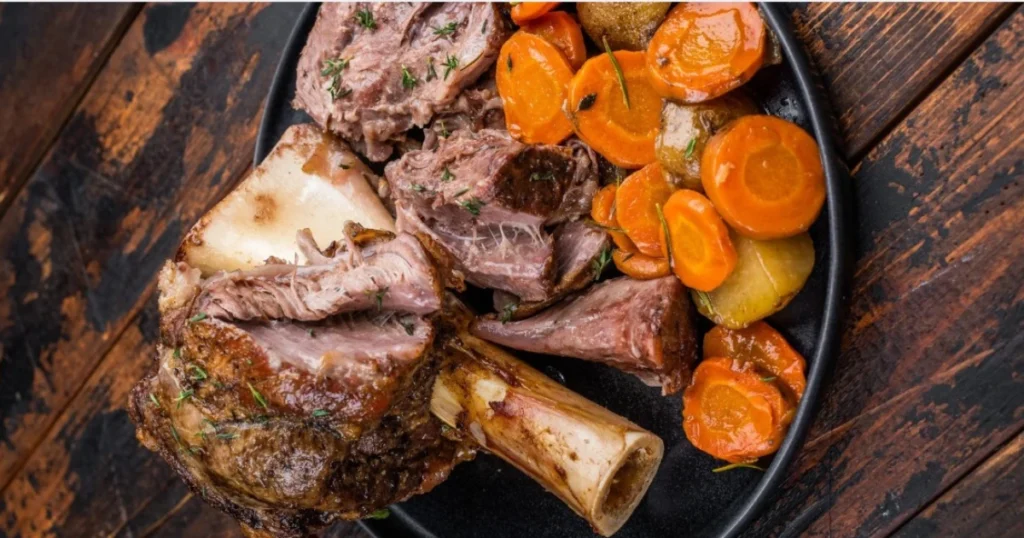
Ingredients
- 4 cross-cut beef shanks (about 1.5 inches thick, 12–14 oz each)
- Salt and freshly ground black pepper, to taste
- ½ cup all-purpose flour, for dusting
- 3 tablespoons extra-virgin olive oil
- 1 medium onion, finely diced
- 2 medium carrots, finely diced
- 3 celery stalks, finely diced
- 6 garlic cloves, minced
- 2 tablespoons tomato paste
- 1½ cups dry white wine (Pinot Grigio or Sauvignon Blanc)
- 2 cups beef stock, low-sodium
- 1 can (14 oz) crushed San Marzano tomatoes
- 2 sprigs fresh thyme + 2 bay leaves
- For Gremolata: zest of 2 lemons, 3 garlic cloves minced, ½ cup fresh flat-leaf parsley, finely chopped
Instructions
- Preheat your oven to 325°F (165°C). Pat the beef shanks completely dry with paper towels. Season generously with salt and pepper on all sides, then lightly dredge in flour, shaking off excess.
- Heat olive oil in a large Dutch oven over medium-high heat until shimmering. Sear the shanks for 4–5 minutes per side until deeply golden brown. Work in batches to avoid steaming. Remove and set aside.
- Reduce heat to medium. In the same pot, sauté onion, carrot, and celery (the soffritto) for 8–10 minutes until softened and lightly caramelized. Add garlic and tomato paste; cook 2 minutes more.
- Pour in the white wine and scrape up all browned bits from the bottom. Let it reduce by half, about 4 minutes. Add the stock, crushed tomatoes, thyme, and bay leaves.
- Nestle the seared shanks back into the pot, bone-side up. The liquid should come about halfway up the shanks. Bring to a gentle simmer, cover tightly, and transfer to the oven.
- Braise for 2½ to 3 hours, turning shanks once halfway through, until the meat is completely tender and nearly falling off the bone.
- While the shanks cook, combine all gremolata ingredients in a small bowl. Keep refrigerated until ready to serve.
- Remove the shanks carefully. Simmer the braising liquid on the stovetop for 5–10 minutes to concentrate the flavors. Spoon sauce over the shanks and finish with a generous pinch of gremolata.
🎯 Pro Tip: After the shanks are plated, scoop the bone marrow out of the center with a small spoon and stir it right into the sauce. It dissolves instantly and adds an unbelievable richness.
2
Slow Cooker Red Wine Braised Beef Shanks
Set it and forget it — fall-apart tender by dinnertime
⏱ Prep: 20 min
🔥 Cook: 8–10 hrs (low)
🍽 Serves: 4–6
📊 Difficulty: Easy
This recipe was built for busy weeknights and lazy Sundays alike. The slow cooker does all the work while you go about your day. Red wine deepens the sauce into something almost stew-like, while mushrooms add an earthy backbone. Serve with buttery mashed potatoes and prepare for silence at the dinner table — the good kind.
Ingredients
- 4 beef shanks, cross-cut (1½ to 2 inches thick)
- Salt, pepper, and smoked paprika to taste
- 2 tablespoons vegetable oil
- 1 large onion, sliced into half-moons
- 4 garlic cloves, smashed
- 8 oz cremini or baby bella mushrooms, quartered
- 2 tablespoons tomato paste
- 1½ cups dry red wine (Cabernet Sauvignon or Merlot)
- 1 cup beef broth
- 1 tablespoon Worcestershire sauce
- 1 tablespoon fresh rosemary, minced (or 1 tsp dried)
- 1 tablespoon cornstarch + 2 tbsp water (for finishing)
Instructions
- Season shanks well with salt, pepper, and smoked paprika. Sear in a hot skillet with oil, 3–4 minutes per side, until browned. Don’t skip this — browning builds essential flavor.
- Layer onions, garlic, and mushrooms in the bottom of the slow cooker. Stir in tomato paste, wine, broth, Worcestershire, and rosemary.
- Place the seared shanks on top of the vegetables. Cover and cook on LOW for 8–10 hours or HIGH for 5–6 hours, until the meat is completely fork-tender.
- Carefully remove the shanks. Pour the braising liquid through a strainer into a small saucepan. Simmer over medium-high heat for 10 minutes. Stir in the cornstarch slurry and cook 2 minutes until glossy.
- Pour the thickened sauce back over the shanks and serve immediately.
-Pro Tip: For the richest flavor, make this the day before. After cooking, refrigerate overnight. The fat will solidify on top for easy skimming, and the flavors deepen dramatically.
3
Korean Galbijjim (Braised Beef Shanks)
Sweet, savory, and deeply aromatic — a Korean table staple elevated
⏱ Prep: 30 min + 2 hr soak
- Cook: 2–2.5 hrs
_ Serves: 4
-Difficulty: Medium
Galbijjim is a beloved Korean braised short rib dish traditionally made on special occasions, but the technique works beautifully with cross-cut beef shanks. The combination of soy sauce, Asian pear (which also acts as a tenderizer), sesame oil, and ginger creates a sauce that’s sweet, salty, and utterly addictive. Serve with steamed white rice and banchan for a full spread.
Ingredients
- 4 beef shanks, cross-cut
- Water for soaking and blanching
- ½ cup soy sauce (regular, not low-sodium)
- 3 tablespoons brown sugar
- 2 tablespoons honey
- 1 Asian pear (or Bosc pear), grated
- 1 medium onion, grated
- 6 garlic cloves, minced
- 1-inch piece fresh ginger, grated
- 2 tablespoons sesame oil
- 1 tablespoon rice wine (mirin or sake)
- 2 cups beef broth
- 2 medium carrots, cut into 2-inch chunks
- 8 oz daikon radish, cut into 1-inch cubes
- Sesame seeds and sliced green onions, to garnish
Instructions
- Soak the beef shanks in cold water for 1–2 hours, changing the water once. This removes excess blood and yields a cleaner, more refined-tasting braise.
- Blanch the shanks: place in a pot of cold water, bring to a boil, and cook 5 minutes. Drain, rinse under cold water, and pat dry.
- Whisk together soy sauce, brown sugar, honey, grated pear, grated onion, garlic, ginger, sesame oil, and rice wine to form the braising sauce.
- Place shanks in a heavy pot. Pour the sauce over them and add the beef broth. Bring to a boil, then reduce to a low simmer. Cover and cook for 1.5 hours.
- Add carrots and daikon radish. Continue cooking uncovered for 30–40 minutes until vegetables are tender and the sauce has reduced to a glossy, lacquer-like consistency.
- Garnish with sesame seeds and green onions. Serve in the pot for a dramatic family-style presentation.
– Pro Tip: The pear is not optional — its natural enzymes actively break down the muscle fibers in the beef, producing a uniquely tender texture you won’t get with any other fruit.
4
Moroccan Harissa Beef Shank Tagine
Bold spices, sweet dried fruit, and warming heat in one spectacular pot
⏱ Prep: 25 min
🔥 Cook: 3 hrs
🍽 Serves: 4–5
📊 Difficulty: Medium
North African cuisine has a genius tradition of combining savory meat, warming spices, and sweet elements in slow-cooked stews. This tagine-inspired recipe brings that magic to beef shanks. Harissa provides a fiery backbone, while preserved lemon, apricots, and cinnamon create a flavor profile that is warm, complex, and completely unlike anything in the Western braising tradition. Serve over couscous or with crusty flatbread.
Ingredients
- 4 beef shanks, cross-cut
- 3 tablespoons harissa paste (adjust to heat preference)
- 2 tablespoons olive oil
- 1 large onion, thinly sliced
- 5 garlic cloves, minced
- 1 tsp each: ground cumin, coriander, cinnamon, smoked paprika
- ½ tsp turmeric
- 1 can (14 oz) diced tomatoes
- 1½ cups beef or lamb stock
- ½ cup dried apricots, halved
- ¼ cup green olives, pitted
- 1 preserved lemon, pulp removed, rind finely sliced
- Fresh cilantro and toasted almonds, to garnish
Instructions
- Rub the shanks all over with harissa paste. Season with salt. Let marinate at room temperature for 20 minutes (or overnight in the refrigerator for deeper flavor).
- Heat olive oil in a tagine or Dutch oven over medium-high heat. Sear the shanks 3–4 minutes per side. Set aside.
- In the same pot, cook onions over medium heat until golden and soft, about 10 minutes. Add garlic and all spices; cook 1–2 minutes until fragrant.
- Add diced tomatoes and stock; stir well. Nestle the seared shanks into the sauce. Add apricots, olives, and preserved lemon rind.
- Cover tightly and cook on the lowest possible heat for 2.5–3 hours, until the beef is completely tender and pulling away from the bone.
- Serve directly from the pot, scattered with fresh cilantro and toasted almonds for crunch.
Pro Tip: Preserved lemons can be found at Middle Eastern grocery stores or made at home in 4 weeks with just lemons and salt. Their intensity is completely different from fresh lemon — do not substitute.
5
Smoked Beef Shanks with Chipotle-Honey Glaze
BBQ’s secret weapon — smoky bark, tender pull, bold glaze
– Prep: 20 min + overnight rub
– Cook: 5–7 hrs
– Serves: 4–6
- Difficulty: Advanced
Smoked beef shanks are a revelation for BBQ enthusiasts who haven’t tried them yet. The whole shank, cooked low and slow over hardwood smoke, develops a dramatic bark on the outside while the inside becomes pullable and juicy. A final brush of chipotle-honey glaze caramelizes beautifully in the last 30 minutes. Think pulled pork’s intensity — with bold beef character.
Ingredients
- 2 whole beef shanks (bone-in, 3–4 lbs each)
- Dry Rub: 2 tbsp kosher salt, 1 tbsp black pepper, 1 tbsp smoked paprika, 1 tsp garlic powder, 1 tsp onion powder, 1 tsp brown sugar, ½ tsp cayenne
- 2 tablespoons yellow mustard (binder)
- Chipotle-Honey Glaze: 3 tbsp honey, 2 chipotle peppers in adobo (minced) + 1 tbsp sauce, 2 tbsp apple cider vinegar, 1 tbsp soy sauce
- Hardwood chunks: oak, hickory, or cherry
Instructions
- Coat the shanks with a thin layer of yellow mustard (this helps the rub adhere and adds no flavor after cooking). Mix all dry rub ingredients together and coat the shanks thoroughly. Wrap in plastic and refrigerate overnight.
- Set up your smoker to maintain 250°F. Add a couple of hardwood chunks to the coals or smoker box.
- Place the shanks directly on the smoker grate, bone-side down. Smoke for 3–4 hours, adding wood as needed, until the internal temperature reaches 165°F and a dark bark has formed.
- Wrap each shank tightly in two layers of heavy-duty foil with a splash of beef broth. Return to the smoker for another 1.5–2 hours until internal temp reaches 200–205°F.
- Mix all glaze ingredients together. Unwrap the shanks, brush generously with glaze, and return to the smoker unwrapped for 20–30 minutes to set the glaze.
- Rest for 20 minutes before serving. Pull the meat from the bone with two forks or serve whole as a dramatic centerpiece.
Pro Tip: The stall (when the internal temp plateaus around 165°F) is normal and can last 2+ hours. Do not raise your smoker temperature — patience here is what separates good BBQ from great BBQ.
6
Instant Pot Beef Shank Bone Broth Soup
Nourishing, collagen-rich, and done in under 2 hours
⏱ Prep: 15 min
🔥 Cook: 90 min (pressure)
🍽 Serves: 6
📊 Difficulty: Easy
The Instant Pot transforms beef shanks into a broth that normally requires an entire day of simmering — in under two hours. The result is a collagen-rich, deeply golden soup with tender shredded beef. Add noodles and it becomes a Vietnamese pho-inspired bowl; serve with crusty bread and it’s a winter warmer that heals from the inside out.
Ingredients
- 3 beef shanks, cross-cut
- 2 tablespoons vegetable oil
- 1 large onion, halved (charred if possible)
- 4-inch piece fresh ginger, sliced
- 6 garlic cloves, smashed
- 3 whole star anise
- 1 cinnamon stick
- 1 tablespoon fish sauce (or soy sauce)
- 1 tablespoon apple cider vinegar (draws out collagen)
- Salt to taste
- 6 cups water
- To serve: rice noodles, bean sprouts, fresh herbs, sliced chilies, lime wedges
Instructions
- Set the Instant Pot to Sauté mode. Add oil and sear the shanks 3 minutes per side until browned. Remove and set aside.
- Char the onion and ginger directly over a gas flame or under a broiler until blackened on the outside — this is the flavor foundation of the broth. Add them to the pot.
- Return the shanks to the pot. Add garlic, star anise, cinnamon, fish sauce, vinegar, salt, and water. The liquid should cover the shanks.
- Seal the lid and cook on HIGH pressure for 75 minutes. Allow natural pressure release for 20 minutes, then carefully manual release.
- Remove the shanks. Strain the broth through a fine-mesh strainer; discard solids. Skim fat from the surface or refrigerate and remove the solidified fat cap.
- Shred the beef from the bone. Serve in bowls over rice noodles, ladle hot broth over everything, and pile on fresh garnishes.
🎯 Pro Tip: The apple cider vinegar is a crucial but invisible ingredient — it helps pull the minerals and collagen out of the marrow bone into the broth, making it measurably more nutritious and gelatinous when chilled.
7
Herb-Crusted Oven-Braised Beef Shanks
Classic elegance with a fragrant herbed finish — Sunday dinner perfected
⏱ Prep: 20 min
🔥 Cook: 3 hrs
🍽 Serves: 4
📊 Difficulty: Easy-Medium
Sometimes the most elegant dish is also the simplest. This oven braise relies on quality ingredients and time rather than technique: a bold herb crust of Dijon mustard, garlic, and rosemary gives the shanks an aromatic exterior, while the long, gentle oven braise does the rest. Perfect for a Sunday roast that requires minimal hands-on time.
Ingredients
- 4 beef shanks, cross-cut (1.5 inches thick)
- 3 tablespoons Dijon mustard
- 4 garlic cloves, finely grated
- 2 tablespoons fresh rosemary, finely minced
- 1 tablespoon fresh thyme leaves
- Zest of 1 lemon
- 3 tablespoons olive oil, divided
- 1 onion, roughly chopped
- 2 carrots, roughly chopped
- 2 cups beef stock
- ½ cup dry red wine
- Salt and black pepper to taste
Instructions
- Preheat oven to 300°F (150°C). Mix Dijon mustard, grated garlic, rosemary, thyme, and lemon zest together to form the herb paste.
- Season the shanks with salt and pepper. Coat each shank thoroughly in the herb paste on all sides.
- Heat 2 tablespoons of olive oil in a Dutch oven over high heat. Sear the coated shanks 3–4 minutes per side — the herb crust will brown beautifully.
- Remove shanks. Add remaining oil, onion, and carrots. Cook 5 minutes. Add wine and reduce by half, then add stock.
- Return the shanks to the pot. Liquid should reach about 1 inch up the sides of the shanks. Cover tightly with foil and then the lid.
- Braise for 3 hours in the oven, undisturbed. The low temperature ensures gentle, even cooking and keeps the herb crust mostly intact.
- Remove shanks carefully. Strain and reduce the braising liquid to a sauce consistency. Serve with root vegetable mash.
🎯 Pro Tip: Cover the pot with a sheet of foil pressed directly against the meat before putting on the lid. This creates a tighter seal that keeps moisture inside and prevents the herb crust from drying out.
Expert Tips for Perfect Beef Shanks Every Single Time
After cooking dozens of beef shanks across multiple methods, a few universal truths emerge. Follow these principles and you’ll nail it regardless of which recipe you choose.
🔥
Always Sear First
Skipping the sear is the #1 mistake beginners make. That deep brown crust (the Maillard reaction) creates hundreds of flavor compounds that cannot be replicated any other way. Use high heat and dry meat.
🌡️
Low and Slow is the Rule
Beef shanks need sustained low heat to dissolve collagen into gelatin. Rushing with high heat makes the fibers tighten and turn tough before the connective tissue has time to break down.
💧
Don’t Drown the Meat
Too much liquid makes braised meat taste waterlogged and bland. The liquid should reach only halfway up the shanks — you want a braise, not a boil. The steam inside the covered pot does the rest.
🧂
Season in Layers
Season the meat before searing, season the aromatics while sautéing, and taste the braising liquid before adding the meat back. Layered seasoning creates depth; single-point seasoning creates blandness.
🕐
Make It the Day Before
Braised beef shanks are almost universally better on day two. Overnight refrigeration lets the flavors meld, the fat solidify for easy skimming, and the collagen fully set into the sauce.
🍷
Cook With Wine You’d Drink
“Cooking wine” is a myth. The wine you use concentrates significantly during cooking, so cheap or acidic wine creates an unpleasant, sharp sauce. Use something you’d pour a glass of.
Frequently Asked Questions About Beef Shanks
How long does it take to cook beef shanks until tender?
In the oven or on the stovetop at 325°F, cross-cut beef shanks typically need 2.5 to 3 hours. In a slow cooker on LOW, plan for 8–10 hours. In an Instant Pot, 75 minutes on high pressure yields pull-apart results. Whole shanks for smoking require 5–7 hours at 250°F. The collagen in the meat needs extended time to break down into gelatin — rushing the process results in chewy, tough meat.
Can I use beef shanks instead of short ribs?
Absolutely — they’re an excellent and often more affordable substitute. Both are collagen-rich cuts that shine with low, slow braising. The main difference is presentation: short ribs have more of a flat slab shape, while shanks have the striking marrow bone in the center. Cooking times are similar, so the swap is nearly seamless in most recipes.
What is the difference between beef shank and oxtail?
Both are tough, collagen-rich cuts that reward slow cooking, but they come from very different parts of the animal. Beef shank is cut from the leg and contains a large marrow-filled bone. Oxtail comes from the tail and is sold in smaller cross-cut pieces with smaller bones. Oxtail tends to be slightly richer due to its higher fat content and connective tissue ratio, and it’s often pricier. They can substitute for each other in most braises, though cooking times may vary slightly.
How do I know when beef shanks are done cooking?
The true test isn’t temperature — it’s texture. When beef shanks are properly done, you should be able to slide a fork into the thickest part of the meat with almost no resistance. The meat should be on the verge of falling off the bone but still hold together when lifted gently. If you pull it and it still feels springy or tough, it simply needs more time. There is no such thing as overcooking a braised shank — they only get better the longer they go (within reason).
Can beef shanks be cooked from frozen?
Not recommended. Cooking from frozen prevents proper searing (the most important step for flavor development) and makes it very difficult to achieve even cooking — the outside risks becoming overcooked before the center thaws and cooks through. Always thaw beef shanks completely in the refrigerator (12–24 hours) before cooking, and bring them to room temperature for 30 minutes before searing.
What sides go best with beef shanks?
Beef shanks pair best with sides that can absorb the incredible braising sauce: creamy polenta, buttery mashed potatoes, soft gnocchi, egg noodles, or crusty artisan bread are all perfect. For lighter options, steamed jasmine rice works beautifully with the Korean and Asian-inspired preparations. A crisp green salad or gremolata (as served with Osso Buco) adds a bright, acidic counterpoint to balance the richness.
Loved These Recipes? 🙌
Save this post for your next dinner party, slow Sunday, or weeknight experiment. Drop a comment below and let us know which recipe you tried first — we read every single one!📌 Pin This Recipe Guide
Beef ShanksSlow Cooker RecipesBraised BeefOsso BucoWinter RecipesBudget CutsComfort FoodDutch OvenDinner PartyKorean Recipes